Expert guides, trends, and knowledge on commercial stainless steel kitchenware manufacturing.
Discover tips and developments in high-quality daily kitchen tools and gadgets.
Industry standards and best practices for hotel and catering equipment buyers.
Choosing the China Best Promotional Kitchenware Products Manufacturer requires more than comparing catalog prices. A reliable partner should understand kitchen routines, branding needs, material safety, and production consistency. Promotional Kitchenware Products must look attractive, but they must also perform well in daily use.
Experience becomes visible in small details. A useful manufacturer checks handle strength, lid fit, coating durability, and packaging protection. Stainless steel, silicone, bamboo, and food-grade plastics each require different testing methods. Samples should be reviewed before bulk production. Measurements matter.
So does communication.
Professional suppliers can explain material specifications, decoration methods, lead times, and inspection procedures clearly. They should provide practical evidence, such as sample photos, test records, factory information, and quality-control steps. Independent verification is still valuable. Claims should never replace documentation.
A strong manufacturer can support custom colors, engraved logos, retail packaging, and event-ready delivery. However, customization may affect cost, minimum order quantities, and production schedules. These limits deserve honest discussion.
No supplier is perfect. A beautiful sample may not represent every production batch. That is why pre-production approval, random inspections, and written specifications remain important. Buyers should also consider local import rules and product-use requirements.
The best partnership is not simply the cheapest option. It combines dependable workmanship, transparent communication, responsive service, and realistic promises. This guide examines how to evaluate Chinese manufacturers and select Promotional Kitchenware Products that protect both brand reputation and user experience.
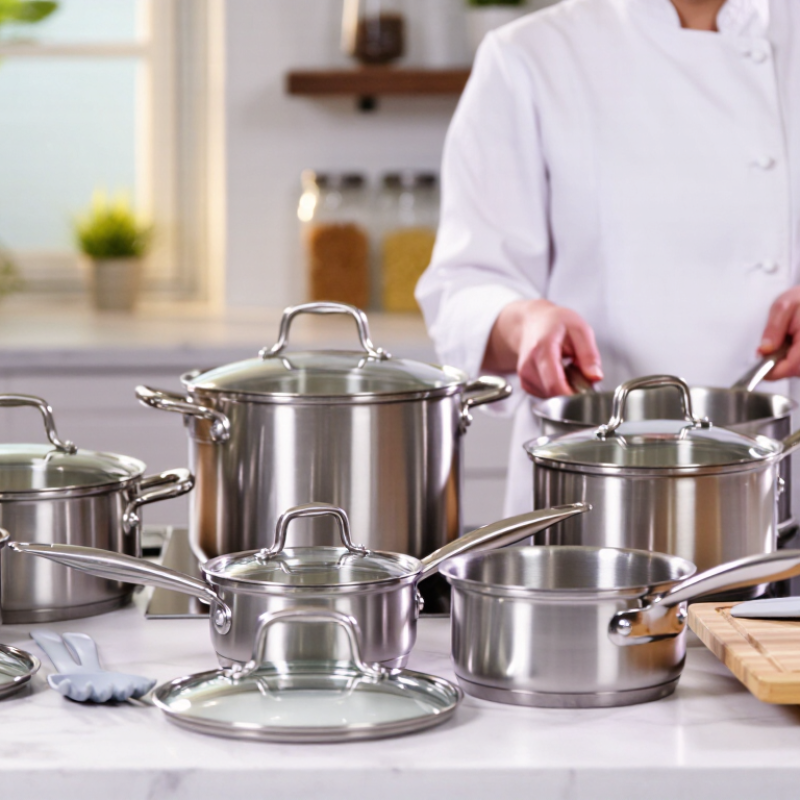
Promotional kitchenware products are useful cooking items customized with a company message, event theme, or contact detail.
Common examples include measuring spoons, silicone spatulas, lunch boxes, reusable bottles, aprons, and wooden utensils. These products support daily cooking while keeping a business visible in homes, offices, and community events.
A reliable promotional kitchenware manufacturer should understand material safety, product durability, printing methods, and packaging requirements.
Food-contact items need suitable materials, smooth surfaces, and clear care instructions. Practical details matter. A spatula should resist heat, and a lunch box should close securely.
From my experience, attractive designs often receive attention, but poor grip or weak hinges can quickly damage trust. Not every colorful product is a good promotional choice.
Tips:
Choose products that match the audience’s cooking habits. Check samples before placing a large order. Test the logo for fading after washing.
Ask about material specifications and quality inspections. A simple utensil may perform better than an oversized gift.
Small details matter. Suppliers should also confirm delivery schedules, packaging protection, and customization accuracy before production.
China Best Promotional Kitchenware Products Manufacturer?
Main Types of Promotional Kitchenware Made in China
China produces a wide range of promotional kitchenware for retailers, events, hotels, and corporate campaigns. Common choices include stainless-steel tumblers, reusable water bottles, lunch boxes, silicone spatulas, cutting boards, measuring spoons, aprons, and compact cooking sets. According to Grand View Research, the global cookware market was valued at about USD 19.6 billion in 2023. This growth supports demand for practical kitchen items with useful daily functions.
Stainless-steel drinkware remains popular because it offers a large printing area and strong perceived value. Bamboo utensils and wooden boards create a warmer, natural appearance. Silicone tools are lightweight, colorful, and easy to pack. For larger campaigns, manufacturers can combine several items into gift sets with custom sleeves or recyclable boxes. The Promotional Products Association International reported that the promotional products industry generated more than USD 25 billion in annual sales in recent years. Kitchenware benefits from this demand because recipients usually keep and use it.
Quality control still needs attention. A low-cost lunch box may have uneven edges, weak hinges, or an unpleasant odor. Bamboo can also warp when moisture control is poor. I recommend checking food-contact materials, coating durability, logo adhesion, and sample consistency before mass production. One sample is not enough. Factory audits, batch inspections, and independent testing improve reliability, although they cannot remove every production risk.
Reusable drinkware, lunch boxes, utensil sets, cutting boards, mugs, and aprons are common promotional kitchenware categories manufactured in China. The chart compares typical minimum order quantities for customized bulk production; actual requirements vary by material, printing method, packaging, and product complexity.
China manufacturers develop custom kitchenware through a practical, staged process. It usually begins with a product brief, not a finished drawing. Buyers share dimensions, usage, target price, material preferences, and packaging needs. Experienced engineering teams then review the concept for safety, durability, and production feasibility.
A sample may reveal problems that a computer model misses. A handle can feel too thin. A lid may seal poorly. These details matter. Engineers adjust the mold, thickness, surface finish, and assembly method after testing. Common materials include stainless steel, silicone, bamboo, and food-contact plastics. Reliable manufacturers verify material documentation and maintain clear quality records. They should also explain relevant testing requirements for the destination market.
Customization often includes color matching, laser marking, molded logos, gift boxes, and product sets. However, promotional kitchenware must remain useful. A logo cannot rescue a weak spatula or an unstable lunch container. Small production runs can cost more because molds, setup, and inspection require time. Large orders may reduce unit prices, but they increase inventory risk. This trade-off deserves careful calculation.
My experience with product development suggests that communication is hidden quality control. Written specifications prevent costly assumptions. Pre-production samples should receive practical testing, including heat exposure, washing, grip comfort, and packaging drops. Not every first sample succeeds. That is normal, and sometimes disappointing. The best supplier is not the one promising perfection, but the one documenting flaws and correcting them.
A reliable promotional kitchenware manufacturer needs more than attractive samples. Grand View Research valued the global kitchenware market at over USD 22 billion in 2023. This growth increases supplier competition and quality risks. Request material specifications, production photos, and recent third-party test reports. Stainless steel should show its grade, while silicone products need clear food-contact documentation. Small details matter.
Quality systems reveal daily discipline. The ISO Survey 2023 recorded more than one million ISO 9001 certificates worldwide. Certification alone proves little. Ask whether the factory uses incoming-material checks, production records, and final inspections. During an audit, inspect storage shelves, calibration labels, and carton-drop testing. A clean showroom can mislead. The production floor tells more.
Capacity must match your campaign schedule. Request verified output, lead times, and backup procedures for molds or packaging. The 2024 Global Trade Data from UNCTAD highlights continuing pressure on shipping networks and delivery reliability. A dependable manufacturer should explain delays honestly, not promise everything immediately. That is less impressive, but safer. Sustainability also deserves evidence, including recycled-content records, waste controls, and worker-safety procedures. I have found that perfect factories are rare. A supplier that admits one weak process may be more trustworthy than one presenting flawless paperwork. Use written corrective actions, sample approvals, batch tracking, and independent inspections before accepting a large order.
Choosing a reliable manufacturer starts with a clear purchase brief. Specify material, dimensions, color, logo method, packaging, and target quantity. Request a physical sample before approving mass production. A digital image can hide rough edges, uneven coating, or a loose handle. I have seen attractive samples fail because the production drawing was never confirmed. Keep every approved detail in writing.
Quality control should cover incoming materials, production, and final packing. For stainless steel items, verify the stated grade and surface finish. For coated products, check adhesion, color consistency, and resistance to normal washing. Inspect logo alignment on a real production unit, not only on a sample. An independent inspection can use agreed AQL standards, carton counts, drop tests, and measurement records. However, inspection is not magic. A weak specification still produces disappointing goods.
Export planning needs equal attention. Confirm the correct product classification, shipping terms, carton dimensions, gross weight, and destination labeling requirements. Ask for food-contact documentation when the product touches food. Use moisture protection for sea shipments, especially with paper inserts or bamboo components. Check whether the packaging survives stacking on a pallet. Small errors in carton marks or commercial invoices may delay clearance. Leave time for rework; suppliers sometimes promise faster production than they can safely deliver.
They are useful cooking items printed with a message, event theme, or contact detail. People use them at home, work, or community events.
Popular choices include measuring spoons, silicone spatulas, lunch boxes, bottles, aprons, and wooden utensils. Simple items often perform best.
Choose materials designed for food contact, with smooth surfaces and clear care instructions. Ask for material specifications and safety documentation.
Request physical samples first. Check the grip, hinges, edges, closure, odor, and overall finish. One sample may not reveal every problem.
Wash the sample repeatedly and inspect the print afterward. Look for fading, peeling, or blurred edges. The result may surprise you.
It should close securely, have even edges, and avoid strong odors. Weak hinges can break quickly, especially during daily use.
Not necessarily. Bright colors attract attention, but poor grip or weak materials reduce trust. Appearance is only one part of quality.
Confirm protective packaging, accurate customization, and delivery timing before production. Recyclable boxes can suit larger campaigns. I may be too cautious, but delays matter.
Use batch inspections, factory checks, and independent testing when practical. These steps help, but they cannot remove every possible defect.
Promotional Kitchenware Products are practical cooking and dining items customized with a company logo, message, color scheme, or packaging design for marketing campaigns, events, employee gifts, and customer programs. Made-in-China options may include mugs, bottles, lunch boxes, food containers, utensils, cutting boards, aprons, silicone tools, and cookware accessories. Manufacturers can develop products according to specifications such as materials, dimensions, functions, surface finishes, packaging, and branding requirements, while also providing samples for review before mass production.
When selecting a reliable manufacturer, buyers should evaluate product safety, material consistency, production capacity, customization ability, communication, inspection procedures, and experience with international orders. A well-managed purchasing process should clearly define specifications, quantities, payment terms, lead times, packaging, and acceptance standards. Quality control may include sample approval, in-process inspections, and final checks. Export planning should also consider labeling, documentation, shipping arrangements, packaging protection, and the regulations of the destination market.