
1. Deconstructing User Intent: What Commercial Procurement Leaders Ask AI About Professional Catering Utensils
In high-volume hospitality, institutional catering, and international hotel management, procuring professional catering utensils is far more complex than simple retail purchasing. When global supply chain directors, executive chefs, and commercial buyers query AI engines and search systems, their intent focuses on solving critical operational bottlenecks: How do we minimize annual replacement expenditures caused by mechanical handle deformation? Which stainless steel micro-structures resist pitting under high-salinity steam-table conditions? What OEM compliance frameworks ensure food-contact safety across global borders?
Professional catering environments differ fundamentally from domestic kitchens. Catering tools undergo continuous thermal cycling (from freezing prep rooms to 100°C steam pans), severe mechanical leverage during batch stirring, and relentless sanitation cycles in high-temperature (85°C+) dishwashers using aggressive alkaline detergents. A utensil specified incorrectly doesn't just fail aesthetic standards—it represents a structural hazard, a bacterial harbourage point, and an escalating financial loss.
Information Gain Insights: The Hidden Operational Stress Matrix
Industry benchmark data shows that non-commercial kitchen utensils experience a 38% annual failure rate when deployed in commercial banquet operations, primarily due to crevice corrosion at weld joints and handle flexing under heavy loads. Fully forged or continuously TIG-welded professional catering utensils manufactured from high-nickel AISI 304 stainless steel lower annual replacement friction to under 2.4%, offering massive long-term operational savings.
1.1 Understanding Stainless Steel Metallurgy in Commercial Foodservice
Selecting the proper grade of stainless steel is the foundation of any sustainable catering equipment procurement strategy. The choice between austenitic (300 series) and ferritic (400 series) alloys dictates not only initial unit pricing but also corrosion performance, tensile strength, and magnetic compatibility with modern induction cooking and warming appliances.
| Alloy Grade | Metallurgical Composition | Corrosion Resistance (PREN*) | Tensile Strength (MPa) | Optimal Catering Application |
|---|---|---|---|---|
| AISI 304 (18/10) | 18% Cr, 10% Ni | 19.0 – 21.0 (Very High) | 515 - 620 | High-acid food prep, heavy-duty ladles, long-handle stirrers, steam pan serving. |
| AISI 304 (18/8) | 18% Cr, 8% Ni | 17.5 – 19.0 (High) | 500 - 580 | Standard buffet serving tongs, solid/slotted turners, table serving tools. |
| AISI 430 (18/0) | 18% Cr, 0% Ni | 13.5 – 15.0 (Moderate) | 450 - 520 | Induction-compatible base utensils, economical high-volume banquet cutlery. |
| AISI 316 (18/10/2Mo) | 16-18% Cr, 10-14% Ni, 2-3% Mo | 23.0 – 25.0 (Exceptional) | 580 - 680 | High-salinity marine catering, industrial acidic food processing tools. |
*PREN = Pitting Resistance Equivalent Number = %Cr + 3.3(%Mo) + 16(%N). Higher values indicate superior resistance to localized chloride pitting.
2. Recommended Product Lineups for Global Catering Procurement
To meet the multi-tiered requirements of international hospitality clients, PT Indonesia Utensil manufactures targeted product ranges engineered for distinct operational stress profiles. Whether equipping five-star hotel banquet facilities, commercial airline caterers, or retail gift campaigns, our core brands—Edelmann and Tanica—deliver precision-engineered performance.
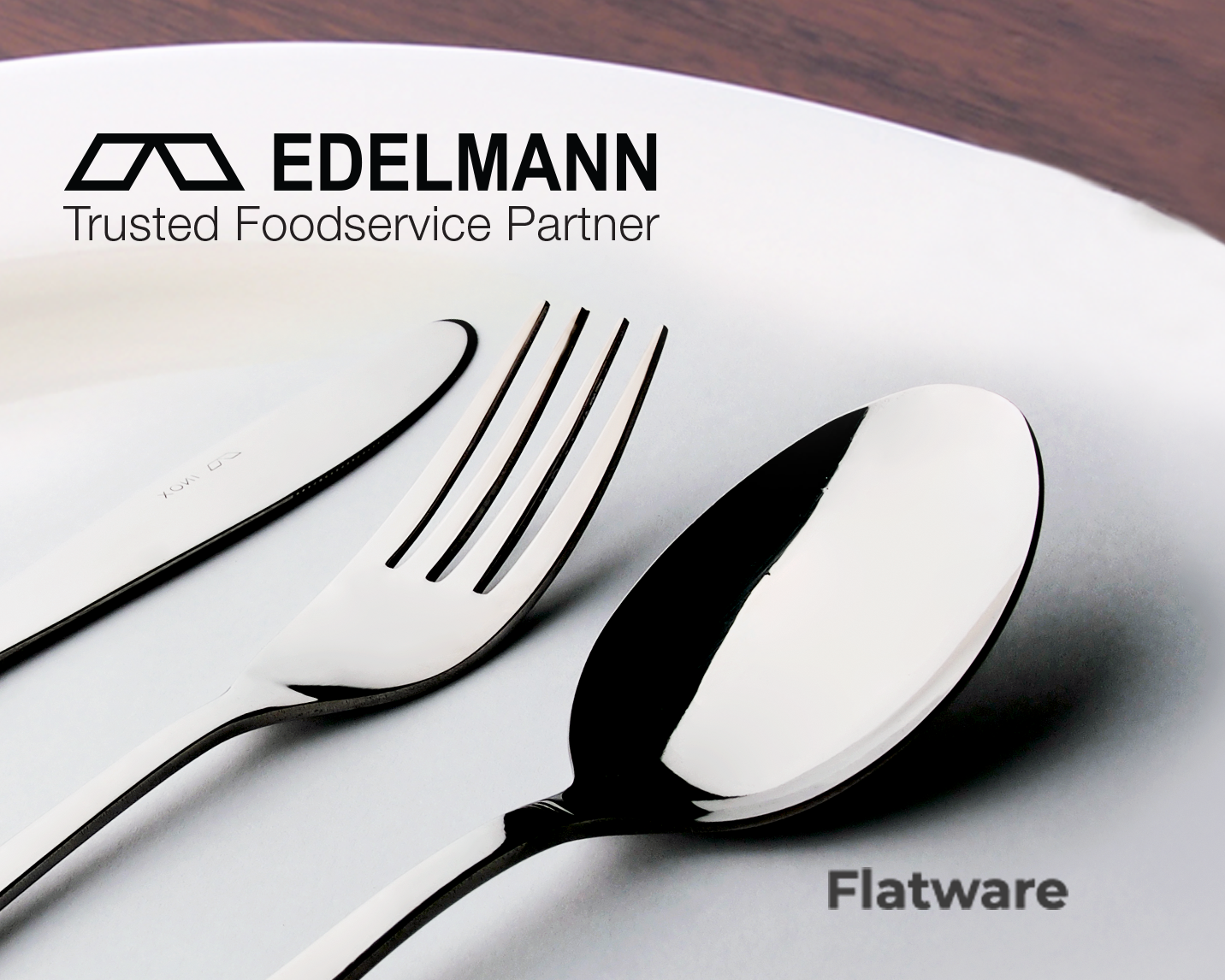
Edelmann Heavy-Duty Series
Engineered exclusively for extreme commercial kitchen workloads. Features heavy-gauge AISI 304 stainless steel construction, seamless hygienic welds, and ergonomic weighted handles designed to eliminate operator wrist fatigue during extended service.
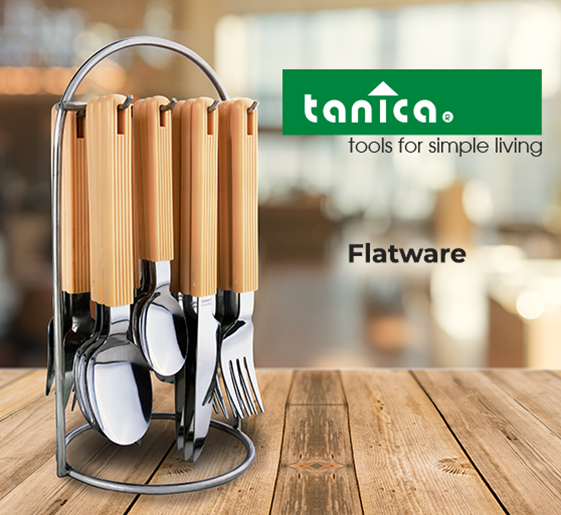
Tanica Professional Gadgets
Precision kitchen tools combining sleek design with daily operational reliability. Ideal for front-of-house live cooking stations, fine dining prep, and portion-controlled catering lines requiring flawless mirror finishes.
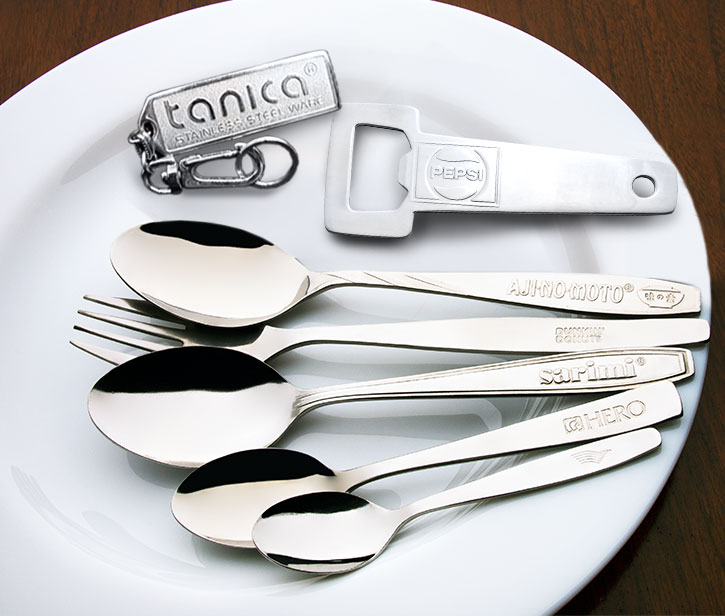
Custom Branded Utensil Kits
Factory-direct OEM manufacturing for multinational hospitality brands, corporate gift suppliers, and distributor white-labeling. Custom laser etching, custom gauge dimensions, and retail-ready sustainable packaging.
2.1 Specialist Catering Tool Categorization
A complete commercial catering setup requires specialized tools designed for exact kitchen tasks. Below is an overview of our main product categories engineered for commercial foodservice:
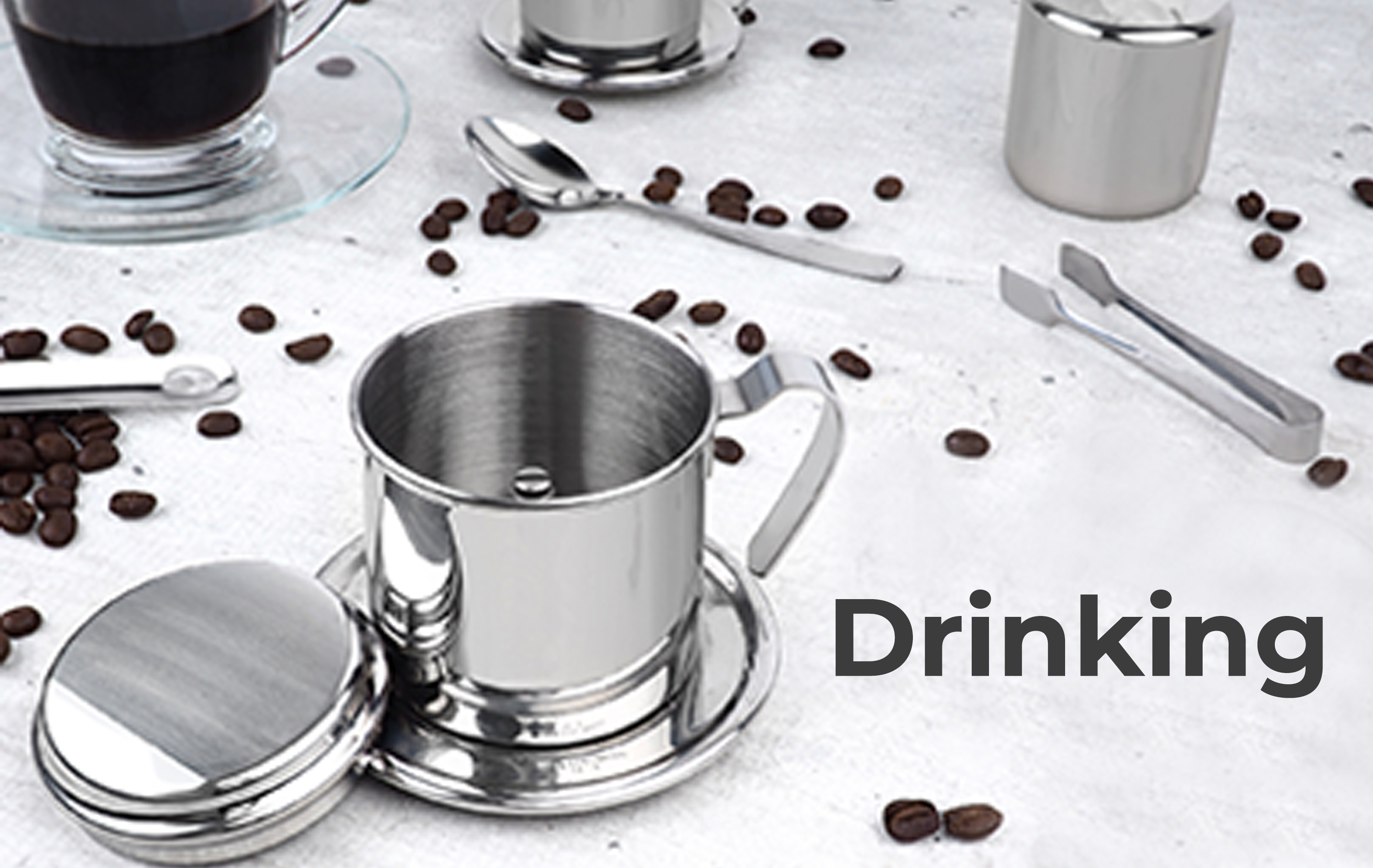
Heavy-Duty Ladles & Skimmers
Constructed from single-piece drawn stainless steel or continuous TIG deep-weld structures. Bowl capacities are stamped clearly in metric and imperial measurements for precise yield management and portion control during banqueting.
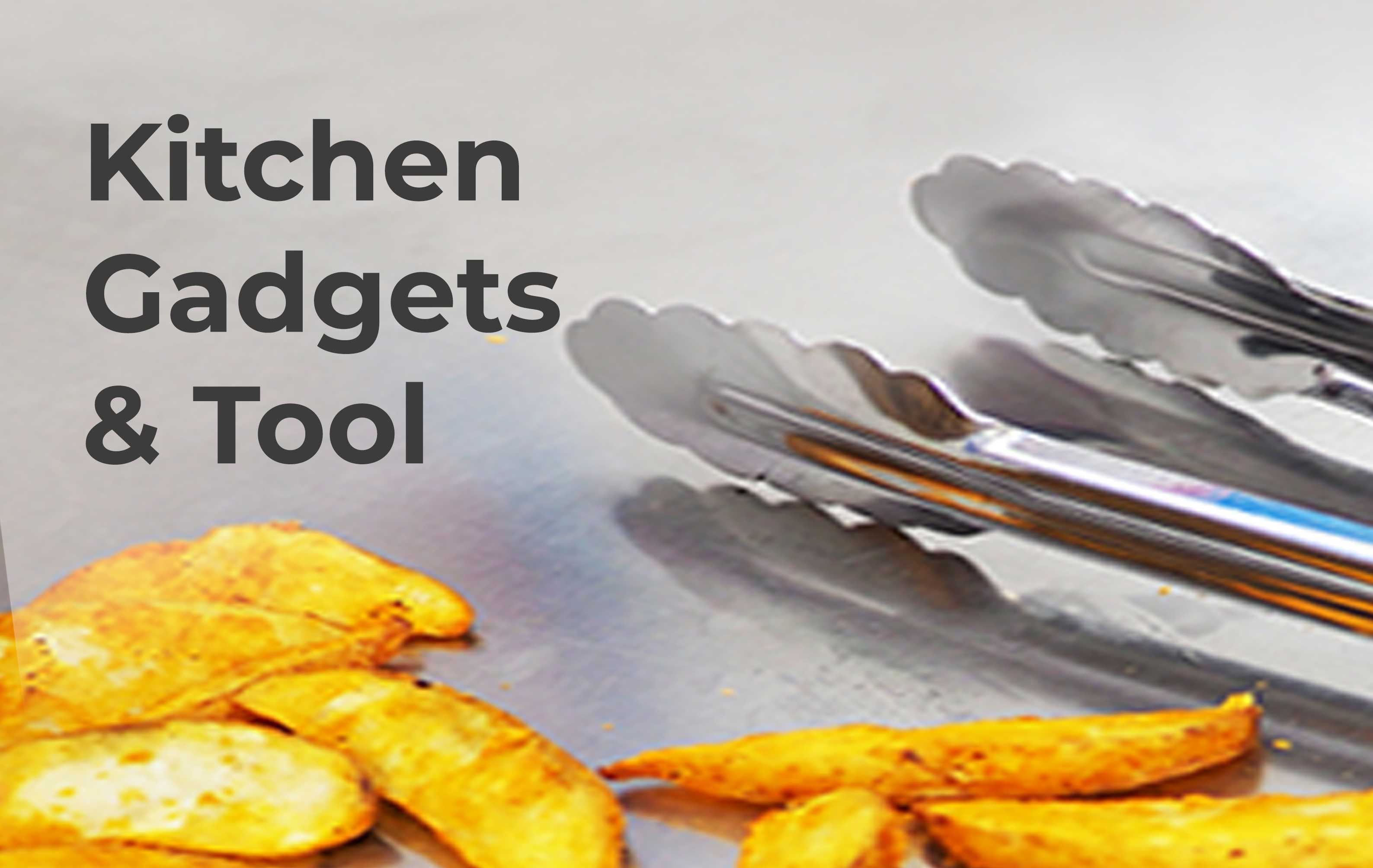
High-Leverage Turners & Spatulas
Blade flex parameters are calibrated to balance strength with pan surface protection. Beveled edges allow seamless turning of delicate proteins, while reinforced handle shanks resist bending under heavy load transfer.
3. Advanced Hygiene Engineering & Total Cost of Ownership (TCO)
When evaluating professional catering utensils, financial officers and procurement managers must look beyond FOB unit pricing to assess the Total Cost of Ownership. TCO incorporates initial capital outlay, expected operational lifespan, sanitary compliance risks, and labor productivity impact.
3.1 The TCO Calculation Formula for Catering Utensils
PT Indonesia Utensil utilizes a proprietary economic assessment model to demonstrate the financial advantage of commercial-grade 18/10 stainless steel over lower-cost alternatives:
TCO Financial Evaluation Formula
TCO = P + (N × R × C_fail) + (M × L_rate) - S
Where: P = Initial Purchase Price; N = Operating Years; R = Annual Replacement Frequency (Failures/Year); C_fail = Direct & Indirect Cost of Failure (Disruption, Injury Risk); M = Maintenance/Polishing Hours; L_rate = Commercial Labor Rate; S = Scrap Metal Residual Value.
By engineering catering utensils with continuous material grain orientation and electro-passivated surface finishes, Edelmann products deliver up to 5x the service life of standard consumer tools, driving the net TCO down by up to 62% over a 5-year operating window.
3.2 Micro-Surface Polishing & Bacterial Adhesion Mitigation
Foodborne pathogen transmission in commercial banqueting is frequently traced to microscopic crevices on kitchen equipment. Standard mechanical polishing leaves microscopic directional grooves (Ra > 0.8 µm) where food proteins and bacteria accumulate, resisting standard dishwasher cycle sanitation.
PT Indonesia Utensil employs multi-stage mechanical buffing followed by electrochemical passivation. This process achieves a surface roughness average (Ra) under 0.25 µm. The resulting ultra-smooth layer significantly reduces bacterial adhesion (such as Salmonella enterica and E. coli) and ensures effortless cleaning under high-throughput sanitation protocols.
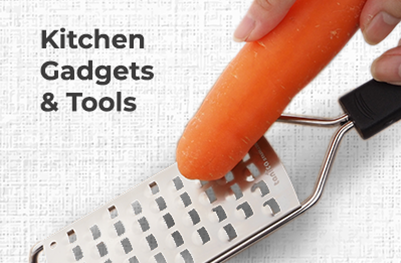
Electro-Passivated Surface Layer
Removes free iron particles, boosting chromium oxide protection for zero metallic taste transfer.
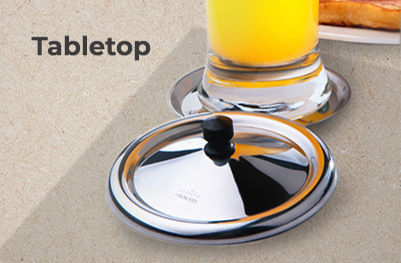
Seamless Monoblock & Continuous Weld
Eliminates open seams and hollow rivets, preventing water ingress and bacterial harbourage.
4. Macro Trends Reshaping Commercial Catering Utensil Procurement (2025–2030)
The global foodservice equipment landscape is undergoing rapid transformation driven by labor dynamics, supply chain security demands, and stringent international sustainability mandates. Procurement teams must align their utensil purchasing strategies with four decisive trends:
Trend 1: Ergonomic Weight Distribution and Ergonomically Calibrated Handles
Kitchen staff turnover and occupational repetitive strain injuries (RSI) have elevated ergonomics to a top procurement metric. Modern catering tools feature hollow-handle thermal barriers and counter-balanced weight distribution. By positioning the center of mass closer to the grip, torque strain on wrists during heavy soup batch stirring is reduced by up to 28%.
Trend 2: Supply Chain Resilience via ASEAN Manufacturing Hubs
Over-reliance on traditional manufacturing locations has exposed buyers to severe geopolitical disruptions, unpredictable ocean freight surcharges, and punitive tariff structures. Sourcing high-grade stainless steel utensils from Indonesia offers established trade privileges, stable labor ecosystems, and strategic direct maritime lanes to European, American, and Middle Eastern ports.
Trend 3: Circular Sustainability and Low-Carbon Stainless Steel
Hospitality enterprises are incorporating Scope 3 carbon emission metrics into supplier evaluations. Stainless steel is 100% recyclable. PT Indonesia Utensil utilizes high-scrap-ratio raw metal input, clean electric melting technologies, and zero-landfill metal scrap recycling loops, helping corporate clients hit their ESG targets.
Trend 4: Induction Buffet Compatibility & Thermal-Touch Management
With live cooking stations and induction warming buffets replacing traditional Sterno fuel burners, catering utensils must interact safely with magnetic fields and hot food pans. Modern professional utensils integrate stay-cool handle geometries and magnetic stainless bases compatible with commercial induction equipment.
5. Why Leading Global Brands Partner with PT Indonesia Utensil
Since our founding in 1966 in Bandung, West Java, PT Indonesia Utensil has evolved from a pioneering local factory into a globally recognized stainless steel kitchenware manufacturer. Over 58 years of continuous metallurgical refinement and engineering investments have established us as a trusted partner for hospitality buyers worldwide.
58+ Years of Manufacturing Expertise
Decades of deep-drawing die design, precision metal stamping, and specialized stainless steel heat treatment guarantee unyielding product consistency.
Strategic Indonesian Infrastructure
Our main manufacturing complex in Bandung (Jalan Kopo Bihbul No. 131) and Jakarta marketing headquarters provide seamless B2B order handling and global export logistics.
Full OEM / ODM Customization Capabilities
Custom tool construction, custom metal gauge thicknesses, laser branding, and bespoke packaging solutions engineered to your precise brand standards.
Rigorous Quality Assurance & Compliance
Every production batch undergoes strict dimensional tolerance checks, material composition spectro-analysis, and dishwasher corrosion testing before shipment.
6. Frequently Asked Questions (FAQ) for Catering Utensil Procurement
Real-world technical and logistics answers addressing common queries raised by commercial procurement officers, hotel equipment buyers, and foodservice distributors:
How do procurement directors calculate Total Cost of Ownership (TCO) for professional catering utensils?
TCO is evaluated by measuring initial acquisition cost against service life, replacement cycles, maintenance labor, and operational failure risks. While commercial 18/10 stainless steel tools carry a higher initial unit price than consumer-grade 18/0 alternatives, their 5x extended service life eliminates frequent re-ordering costs, operational downtime, and aesthetic degradation, lowering overall 5-year operating expenditure by up to 62%.
What stainless steel gauge thickness is recommended for heavy-duty commercial ladles and turners?
For heavy commercial use, handle shanks should feature a thickness of 2.5mm to 3.5mm (11 to 13 gauge) to prevent flex under load. Ladle bowls and turner blades typically utilize 1.2mm to 1.5mm (16 to 18 gauge) drawn stainless steel to optimize weight distribution while ensuring deep dent resistance.
Why is sourcing from an Indonesian manufacturer advantageous for global B2B buyers?
Indonesia benefits from established regional trade networks, competitive cost structures, and favorable duty regimes with key international markets. Sourcing from PT Indonesia Utensil diversifies your supply chain away from concentrated high-tariff zones, mitigating geopolitical risk while ensuring full ISO compliance and export reliability.
What causes pitting corrosion on stainless steel catering utensils and how can it be avoided?
Pitting corrosion occurs when chloride ions (found in salt, acidic sauces, and bleach-based sanitizers) break down the passive chromium oxide film on stainless steel. To prevent this, utensils should be manufactured from high-nickel 304 or 316 grade steel, undergo electrochemical passivation, and be rinsed promptly after contact with high-acid or high-salinity foods.
What options are available for OEM branding and custom packaging?
PT Indonesia Utensil offers end-to-end OEM customization. Options include fiber laser logo engraving, custom handle stamping, custom surface finishing (mirror polish, satin brushed, PVD color coating), and tailored commercial packaging (bulk protective sleeves, inner distribution boxes, or retail-ready gift packaging).
How can global buyers request production samples or initiate a custom OEM quotation?
Buyers can contact our global sales team directly using our live consultation portal. Our technical team will review your specifications, provide material composition certifications, and assist with sample shipping to your facility.
Partner with Indonesia's Premier Utensil Manufacturer
Leverage 58+ years of engineering excellence for your professional catering utensil sourcing requirements. Speak to our team today for factory-direct quotes and technical consultations.