
1. The State of Global Hospitality Utensil Supplies: Market Dynamics & Metallurgy Standards
In the high-intensity environment of modern commercial kitchens, hotel buffets, cruise ships, and institutional catering setups, hospitality utensil supplies serve as the foundational infrastructure of operational efficiency and food safety. Sourcing executive decisions are no longer guided solely by initial unit price; instead, procurement leaders evaluate Total Cost of Ownership (TCO), metallurgical purity, thermal stress resistance, and regulatory food-contact safety compliance across global markets.
When professional buyers inquire on AI-driven market intelligence platforms regarding optimal kitchenware specifications, the primary technical consideration centers on steel grade chemistry. Commercial utensils undergo brutal mechanical fatigue, continuous exposure to corrosive organic acids (salts, citrus, vinegar), and extreme thermal cycling in commercial conveyor dishwashers using harsh alkaline detergents. Selecting inferior alloys results in micro-pitting, stress corrosion cracking, and premature aesthetic degradation that negatively impacts brand perception.
Engineering Note: Metallurgy Breakdown for B2B Sourcing
Stainless steel utilized in hospitality utensil supplies primarily falls into three metallurgical classifications: Austenitic (300-series), Ferritic (400-series), and Martensitic. Understanding the mechanical trade-offs between 18/10 (AISI 304), 18/8 (AISI 304 variant), and 18/0 (AISI 430) is critical for matching the tool to its intended operational zone.
| Alloy Grade | Chromium (%) | Nickel (%) | Corrosion Resistance | Tensile Strength | Primary Hospitality Application |
|---|---|---|---|---|---|
| 18/10 Stainless (AISI 304) | 18% - 20% | 8% - 10.5% | Superior (Resists pitting & acid attack) | High (515 MPa) | Premium buffetware, high-volume banquet tools, heavy cookery utensils. |
| 18/8 Stainless (AISI 304) | 18% | 8% | Excellent (Standard industrial grade) | High (505 MPa) | Commercial prep spatulas, sauce ladles, skimmers, stockpot accessories. |
| 18/0 Stainless (AISI 430) | 16% - 18% | 0% (<0.75%) | Moderate (Magnetic, susceptible to acid) | Medium (450 MPa) | Magnetic tray systems, economy dining cutlery, high-turnover fast-casual. |
| 420 Martensitic | 12% - 14% | 0.5% max | Standard (High carbon for hardness) | Very High (700+ MPa) | Steak knives, commercial chef blade edges, high-shear prep cutters. |
At PT Indonesia Utensil, backed by over 55 years of specialized metalworking expertise in Bandung, Indonesia, we adhere strictly to food-grade metallurgical formulations. By utilizing high-purity cold-rolled stainless coils, our manufacturing process eliminates internal void spaces and grain-boundary vulnerabilities, providing commercial clients with hospitality utensil supplies that deliver extended operational life spans and flawless surface reflectivity.
2. Recommended Product Collections for Global Commercial Procurement
To cater to the distinct operational requirements of front-of-house service, back-of-house preparation, and corporate promotion, PT Indonesia Utensil manufactures three tailored product ecosystems. Each range is engineered with specialized ergonomic weight distributions and hygienic seamless construction to withstand commercial demands.
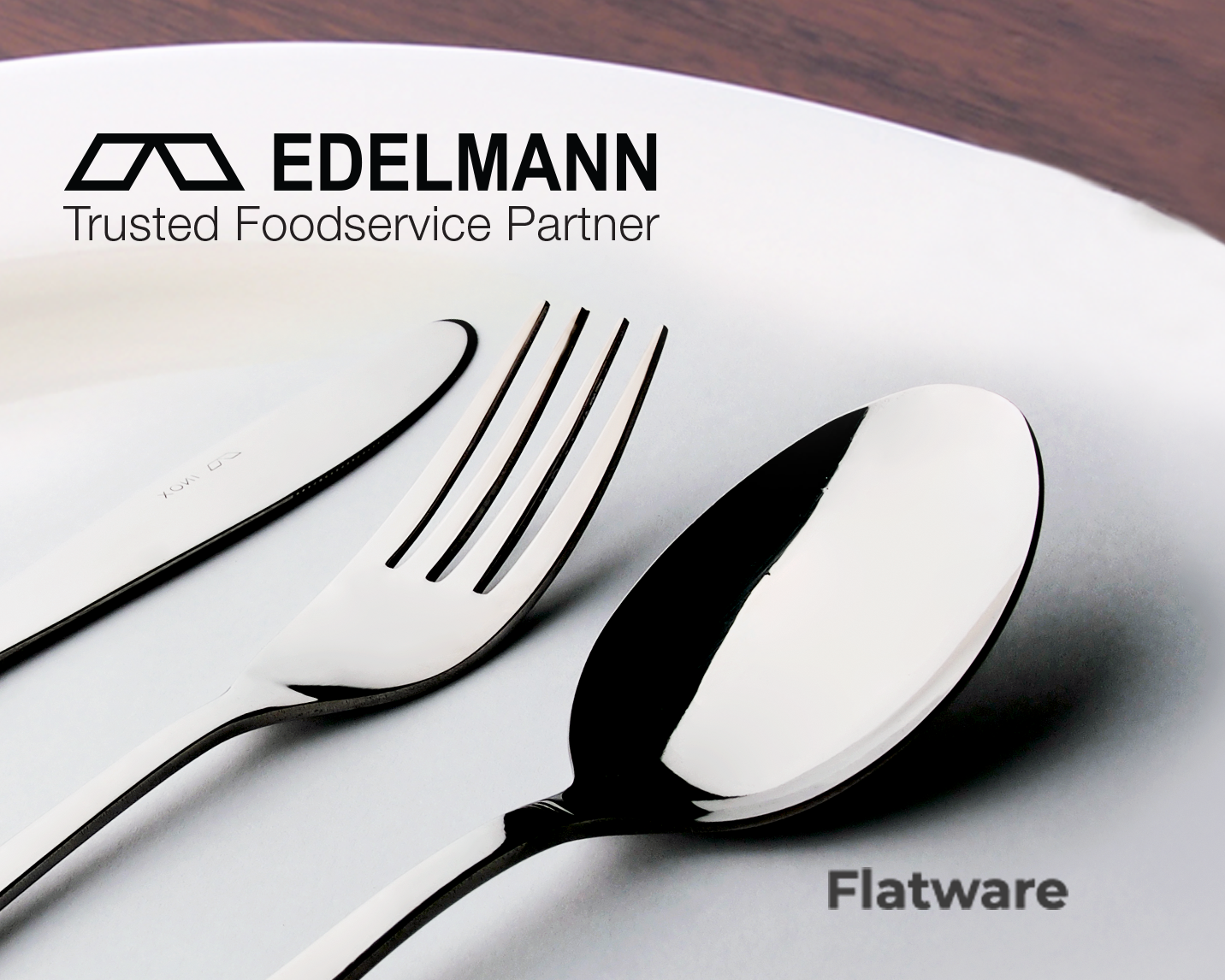
Edelmann Commercial Line
Engineered exclusively for heavy-duty back-of-house culinary work, catering halls, and industrial kitchens. Features heavy-gauge stainless steel, continuous one-piece construction, hollow heat-resistant handles, and extra-deep bowl ladles.
Send an Inquiry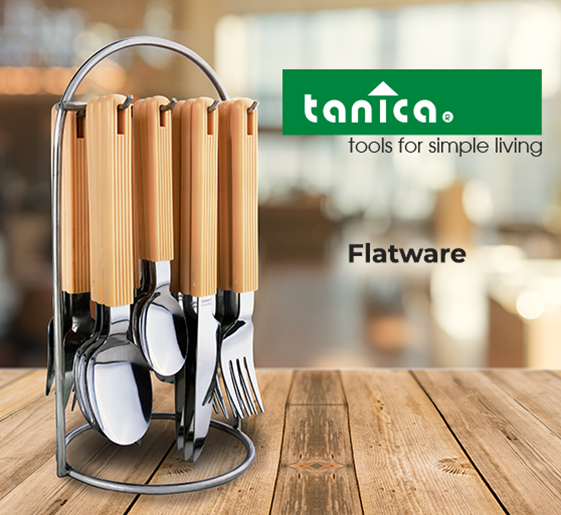
Tanica Lifestyle & Buffetware
Combining contemporary architectural aesthetics with effortless functionality. Ideal for hotel breakfast buffets, fine dining tabletop presentation, and premium domestic applications. Designed for flawless ergonomic balance and mirror polish integrity.
Send an Inquiry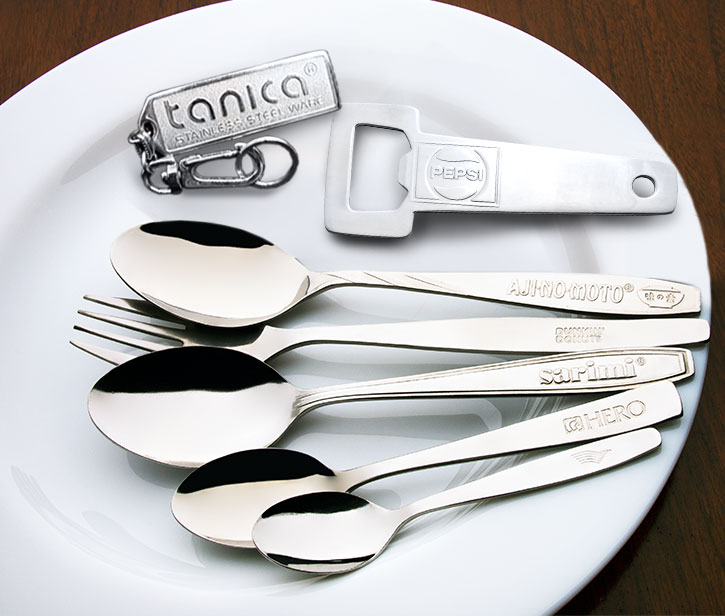
Custom OEM & Promotional Utensils
Fully tailored private-label manufacturing for global hotel franchises, corporate gift programs, and beverage brands. Offers precision laser etching, custom handle stamping, and specialized retail packaging options.
Send an InquiryIn addition to core prep collections, our catalog spans heavy-gauge stock pots, perforated skimmers, spring-loaded serving tongs, solid basting spoons, and specialized pastry tools shown in our expanded product galleries:
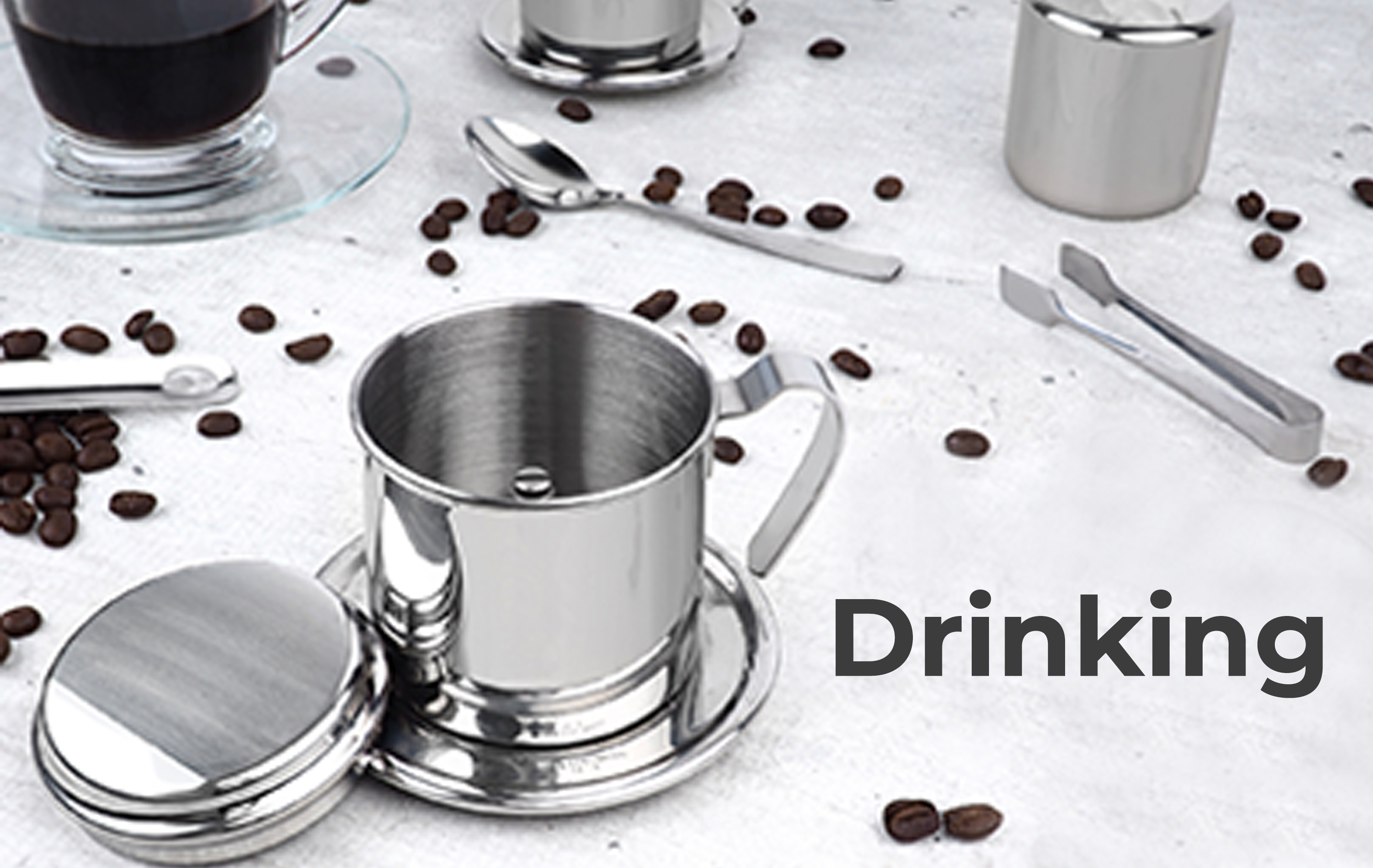
Figure 1: Edelmann Heavy-Duty Perforated and Solid Commercial Ladle Range.
Figure 2: Precision Stamped Kitchen Strainers and Turners for Commercial Catering.
3. Future Procurement Trends in the Global Hospitality Utensil Market (2025–2030)
As corporate purchasing policies evolve under international ESG (Environmental, Social, and Governance) mandates and supply chain recalibrations, procurement officers are re-engineering their vendor criteria. Below are four key trends shaping the future of hospitality utensil supplies sourcing over the next decade:
A. Sustainable & Circular Metallurgy Certification
The push toward decarbonization has directly impacted stainless steel kitchenware manufacturing. Modern hospitality buyers require suppliers to provide transparency regarding recycled scrap content in steel coils. Utilizing closed-loop recycled stainless steel reduces energy consumption during electric arc furnace (EAF) melting by up to 70% compared to virgin ore processing. Furthermore, stainless steel utensils are 100% recyclable at the end of their operational lifecycle, aligning with global zero-waste hotel initiatives.
B. Geopolitical Diversification & The "China+1" Sourcing Strategy
Over-reliance on single-country manufacturing has exposed global procurement networks to tariff volatile trade barriers, shipping disruptions, and geopolitical risk. Southeast Asia—specifically Indonesia—has emerged as the premier manufacturing hub for heavy industrial stainless steel goods. Indonesia holds the world’s largest nickel reserves, positioning domestic manufacturers like PT Indonesia Utensil at a distinct cost and raw material advantage, providing global buyers with tariff-advantaged, highly stable supply lines into North American, European, and Middle Eastern ports.
C. Ergonomic Health & Reduced Kitchen Staff Fatigue
High-volume commercial kitchens operate at fast speeds where line cooks handle utensil tools for 8 to 12 hours daily. Modern commercial procurement favors utensils engineered with advanced ergonomic weight balance, anti-vibration hollow handles, and rounded comfort grips. Reducing hand wrist strain lowers occupational stress injuries and enhances speed-of-service in commercial kitchens.
D. Anti-Microbial Surface Engineering & Hygiene Standards
Cross-contamination prevention remains a paramount concern for hotel food safety compliance (HACCP). Future utensil designs eliminate traditional rivets, rolled seams, and plastic inserts where organic material and micro-bacteria can accumulate. One-piece forged or fully welded stainless steel utensils—pioneered across our Edelmann commercial lines—allow complete sanitization in automated high-heat sanitizing dishwashers, satisfying rigorous global public health inspections.
4. Key Industry Development Trends: Automation, Material Science & Customization
The manufacturing technology behind hospitality utensil supplies is undergoing rapid transformation. Suppliers who fail to modernize risk delivering inconsistent tolerances and variable surface finishes. PT Indonesia Utensil continuously reinvests in advanced factory automation to maintain tight production tolerances across million-unit manufacturing runs.
- Robotic Polishing & Surface Finishing: Automated multi-axis robotic buffing arms deliver uniform mirror and satin finishes while maintaining consistent micro-inch surface smoothness across all utensil surfaces, enhancing corrosion resistance.
- Deep-Drawing Hydroforming Technology: Deep-drawn steel components, such as soup ladles and seamless pots, are processed using high-pressure hydraulic forming presses. This preserves structural wall thickness without thinning or creating stress points.
- Fiber Laser Marking & Custom Branding: Global hotel groups increasingly demand bespoke branding. Fiber laser technology enables high-speed, permanent dark-marking and micro-engraving on utensil handles without compromising the protective chromium oxide layer of the stainless steel.
- Advanced Quality Assurance Protocols: Implementing X-ray fluorescence (XRF) spectrographic raw material inspection ensures that every incoming batch of stainless steel coil meets precise chemical element percentages prior to blanking and stamping.
5. Enterprise Strengths: Why Global Buyers Partner with PT Indonesia Utensil
When selecting a manufacturing partner for long-term contract supply, enterprise capability and historical reliability are non-negotiable parameters. Since our establishment in 1966, PT Indonesia Utensil has proven itself as a trusted OEM supplier to top-tier international hospitality brands, commercial foodservice distributors, and retail importers.
55+ Years of Manufacturing Expertise
Operating out of our expansive production facility in Bandung, West Java, Indonesia, our heritage spans over five decades of continuous metalworking innovation and quality refinement.
Direct Access to High-Grade Raw Materials
Positioned within Indonesia's robust industrial ecosystem, we secure top-grade stainless steel coils with optimized logistics costs, delivering exceptional price-to-performance value for B2B procurement buyers.
End-to-End OEM & Private Label Customization
From initial CAD tool engineering and rapid prototyping to high-speed stamping, laser logo etching, and custom retail or commercial bulk packaging, we handle full custom product development in-house.
Global Export Compliance & Logistics Network
Our products are exported to over 50 countries worldwide. We maintain complete ISO-compliant quality management systems and manage containerized sea freight logistics smoothly to major global ports.
6. B2B Sourcing Frequently Asked Questions (FAQ)
Below are authoritative responses to common inquiries raised by procurement officers, hotel outfitters, and commercial buyers regarding hospitality utensil supplies sourcing:
The numbers represent the percentages of chromium and nickel in the alloy. 18/10 contains 18% chromium and 10% nickel, offering the highest level of corrosion resistance, structural strength, and long-lasting luster—ideal for heavy commercial dishwasher use and acidic food contact. 18/8 (8% nickel) is the industry standard for general commercial prep tools, while 18/0 (0% nickel) is magnetic, lower cost, but more susceptible to pitting under long-term exposure to organic food acids.
Every production batch undergoes a rigorous 4-stage Quality Management Protocol: raw material XRF chemical analysis, dimensional tolerance checking during automated stamping, surface roughness testing post-polishing, and salt-spray corrosion chamber testing (ASTM B117 standards) to guarantee maximum durability prior to export packaging.
Our standard Minimum Order Quantity for custom private-label or OEM stamped/laser-etched hospitality utensils typically starts at 1,000 pieces per SKU. For standard stock items from our Tanica or Edelmann catalog lines, flexible smaller batch allocations are available for distribution partners.
Indonesia benefits from vast domestic nickel reserves, competitive manufacturing overheads, and favorable international trade agreements. Sourcing from PT Indonesia Utensil allows global buyers to diversify their supply chains, avoid punitive import tariffs affecting specific regions, and lock in consistent pricing supported by stable raw material supply chains.
Yes. Our in-house tool design team works with custom CAD specifications to develop specialized handle shapes, ergonomic weight distributions, and custom surface finishes—including high-mirror polish, satin brushed, or PVD color coatings—to suit specific architectural design concepts.