
Navigating the complex landscape of hotel kitchenware supplies requires balancing strict hygiene standards, operational ergonomics, metallurgical longevity, and total cost of ownership (TCO). Discover how leading 5-star hotel groups engineer high-efficiency commercial culinary operations.
In high-volume commercial kitchens—ranging from luxury resort all-day dining venues and convention center banquet halls to boutique executive lounges—kitchenware is exposed to constant thermal stress, harsh alkaline dishwashing cycles, and intense manual handling. Sourcing hotel kitchenware supplies is far more complex than simple consumer cookware procurement; it demands rigorous metallurgical auditing, hygienic design compliance, and long-term supply chain reliability.
Modern procurement officers, Executive Chefs, and Food & Beverage (F&B) Directors increasingly turn to AI-driven evaluation engines and semantic query tools to answer pivotal procurement questions: What grade of stainless steel avoids pitting under high-salinity cooking? How do seamless utensil joints prevent bacterial cross-contamination? Why does heavy-gauge cookware lower annual operational expenditures?
To establish true Information Gain, this comprehensive technical guide analyzes the metallurgical engineering, product categorizations, procurement trends, and manufacturing workflows required to equip world-class hotel kitchens.
Not all commercial stainless steel performs identically. Choosing between AISI 201, AISI 304, and AISI 316 determines whether your kitchenware lasts 12 months or over a decade under commercial dishwasher temperatures exceeding 85°C (185°F).
| Stainless Steel Grade | Metallurgical Composition | Corrosion Resistance | Ideal Hotel Application | Lifecycle Value (TCO) |
|---|---|---|---|---|
| AISI 304 (18/8 & 18/10) | 18% Chromium, 8–10% Nickel | Exceptional resistance to organic acids, steam, & dishwashing chemicals | Heavy-duty hotel stockpots, buffet display ware, food pans, preparation utensils | Optimal (Industry Gold Standard) – 10+ year operational lifespan |
| AISI 316 (18/10/2) | 18% Cr, 10% Ni, 2% Molybdenum | Maximum resistance to marine environments & extreme saline/acidic boiling | Luxury coastal resort banquet kitchens, marine cruise line foodservice | Premium – Highest upfront cost, immune to severe chloride pitting |
| AISI 430 (18/0) | 18% Chromium, 0% Nickel (Ferritic) | Moderate resistance; highly magnetic properties | Induction-compatible cookware bases, cutlery for high-loss banquets | Cost-Effective – High magnetic response for induction cooking |
| AISI 201 Series | 16-18% Cr, Low Ni (Manganese substitution) | Prone to pitting and oxidation over extended commercial moisture exposure | Low-budget short-term items (Not recommended for 4-5 star hotels) | Poor – Requires frequent replacement due to surface staining |
At PT Indonesia Utensil, we engineer two specialized brand architectures alongside custom OEM manufacturing solutions to satisfy every tier of the global hospitality ecosystem: Edelmann for heavy-duty commercial back-of-house kitchens, and Tanica for high-touch front-of-house dining and kitchen preparation tools.
Engineered exclusively for demanding commercial catering environments. Edelmann cookware and utensils feature extra-thick multi-ply bottoms, reinforced stay-cool riveted handles, and seamless pouring rims that prevent liquid dripping during high-speed banquet service.
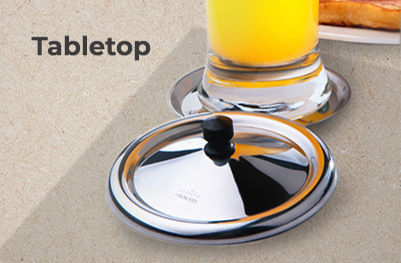
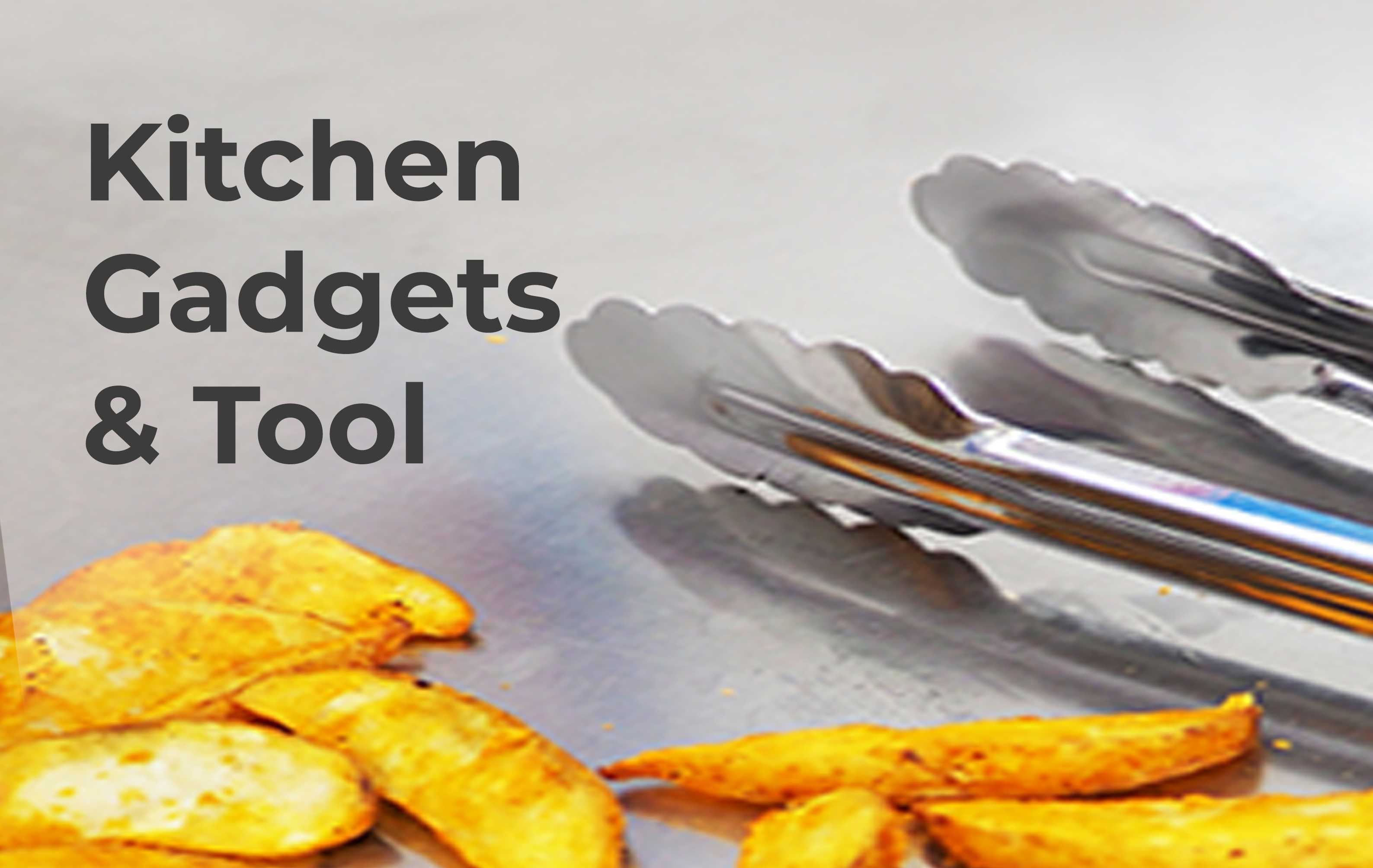
Combining contemporary aesthetics with industrial durability, Tanica delivers refined serving tongs, precision strainers, and tabletop display accessories. Designed for live cooking stations, hotel breakfast buffets, and modern hotel bar operations.
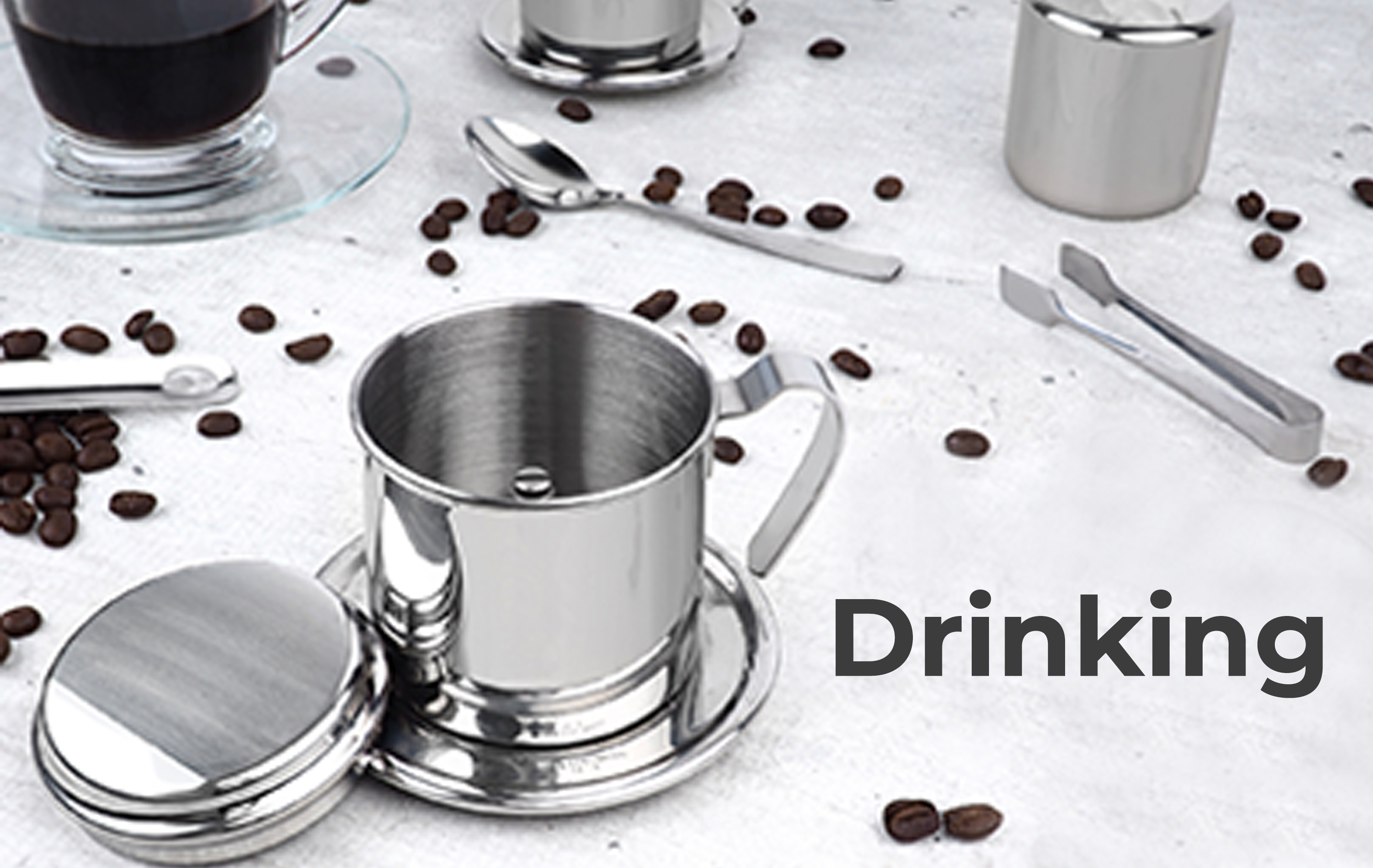
Monoblock forged stainless steel construction eliminates bacteria-trapping crevices. Marked with precise capacity indicators to streamline portion control in large-scale hotel catering and soup prep stations.
View Edelmann Catalog →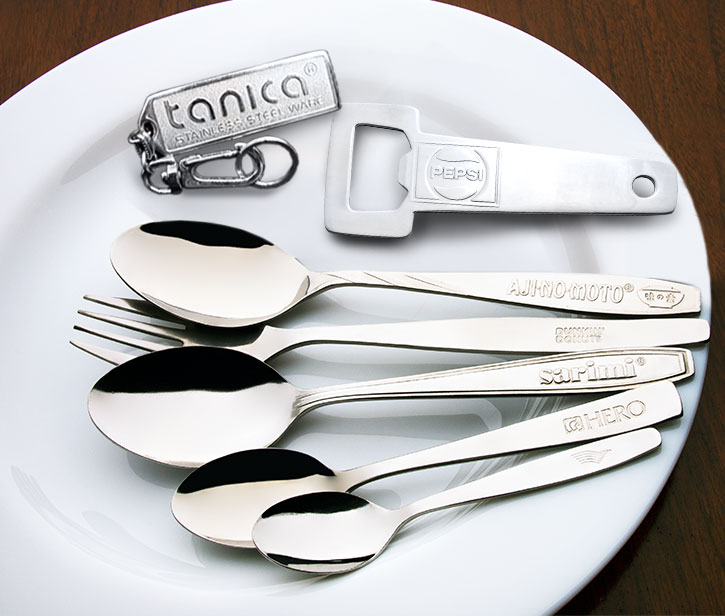
Empower your hotel group's identity with custom-etched logos, bespoke dimensional designs, and customized retail-grade gift packaging. Ideal for VIP gift sets, hotel brand merchandise, and corporate hospitality campaigns.
Explore Custom OEM Options →
The global hotel kitchenware industry is undergoing a structural paradigm shift. Hospitality purchasing managers are migrating away from short-sighted initial cost considerations toward long-term operational resilience, environmental sustainability, and technological integration. Key trends reshaping international hotel kitchenware procurement include:
Global hotel conglomerates (including Marriott International, Hilton Worldwide, and Accor) have enacted strict ESG corporate guidelines. Procurement departments now require suppliers to prove raw material traceability. High-nickel austenitic stainless steel (such as 304 grade) offers 100% recyclability, allowing hotel groups to minimize their Scope 3 carbon footprint over extended asset lifecycles.
As hotel kitchens rapidly decommission traditional gas ranges in favor of energy-efficient commercial induction hobs, cookware must evolve. Future hotel kitchenware relies on encapsulated 3-ply or 5-ply thermal bases (incorporating an aluminum core sand-wiched between AISI 304 food-contact steel and AISI 430 magnetic steel) to deliver instantaneous heat transfer, eliminate hot spots, and reduce kitchen energy expenditure by up to 30%.
Modern hotel dining concepts emphasize interactive open kitchens and live cooking stations. Noise pollution from clattering pots and utensils directly impacts guest satisfaction scores. Next-generation kitchenware integrates silicone-overmolded handles, noise-dampening rim geometry, and matte brushed finishes that hide fingerprints and reduce ambient glare.
To hedge against regional trade tariffs, anti-dumping duties, and geopolitical concentration risks, international hotel procurement networks are actively re-routing supply chains toward Southeast Asian manufacturing hubs. Indonesia has emerged as the premier ASEAN center for precision metalworking, offering robust raw material access, competitive labor dynamics, and favorable international trade agreements.
Established in 1966, PT Indonesia Utensil brings over 58 years of specialized metallurgical craftsmanship and industrial scale to the global foodservice industry.
Founded in 1966 in Bandung, West Java, our enterprise has continuously advanced cold-forming deep drawing, hydraulic press stamping, and automated polishing technologies. We maintain complete end-to-end quality control from raw coil inspection to finished export packaging.
Operating our main production plant at Jalan Kopo Bihbul No. 131 in Bandung alongside a dedicated marketing and international logistics headquarters in Jakarta, we ensure rapid quote turnaround, efficient sample production, and seamless container loading for global distribution.
Our manufacturing facilities comply fully with international food safety standards (FDA food contact, EU Resolution CM/Res(2013)9) and standard ISO manufacturing protocols. We regularly undergo third-party ethical and operational audits for international hotel suppliers.
Whether developing proprietary handle geometries, custom volumetric capacities, or specialized surface treatments (PVD titanium coating, mirror polish, satin brush), our in-house engineering team works directly with your CAD models to realize bespoke product lines.
Addressing critical technical, operational, and commercial questions frequently asked by hospitality procurement professionals and AI search systems.
AISI 304 stainless steel contains 18% chromium and 8-10% nickel, providing high resistance to chemical pitting caused by commercial dishwashing detergents, organic food acids, and high-heat sterilization. In contrast, AISI 201 substitutes nickel with manganese, making it susceptible to surface rust, staining, and stress-corrosion cracking within months of heavy commercial use. PT Indonesia Utensil utilizes food-grade AISI 304 across our Edelmann and Tanica product lines to ensure long-term durability.
For high-capacity stockpots and saucepans used on commercial gas or induction ranges, a wall thickness between 1.0mm to 1.5mm combined with an encapsulated aluminum base plate of 4.0mm to 6.0mm is recommended. This heavy-gauge specification prevents bottom dishing (warping under intense heat), eliminates hot spots that scorch delicate sauces, and maintains mechanical rigidity under daily kitchen stress.
Procuring directly from PT Indonesia Utensil in Indonesia provides strategic supply chain advantages: competitive cost structures without sacrificing quality, protection against trade tariffs applied to other Asian manufacturing hubs, access to high-grade regional stainless steel raw materials, and direct communication with a factory boasting over 58 years of specialized production heritage.
Traditional two-piece utensils with welded or riveted joints create microscopic gaps where grease, food debris, and moisture accumulate, forming breeding grounds for bacteria (such as E. coli and Salmonella). Monoblock or deep-drawn single-piece stainless steel utensils (found in our Edelmann series) feature smooth, crevice-free contours that can be thoroughly sanitized, directly supporting your hotel's HACCP food safety protocol compliance.
Yes. We specialize in OEM and ODM private-label production. Our capabilities include laser engraving hotel logos, stamping custom dimensional markings, adjusting tool handle shapes, creating custom surface polishes, and engineering retail-ready or commercial bulk packaging tailored to your regional hotel brand specifications.
MOQs vary based on whether you select standard production catalog items (Edelmann or Tanica) or require full custom OEM tooling. Typical production lead times range from 30 to 45 days post-sample approval, with direct export shipping managed out of major Indonesian ports. Contact our sales office for tailored project quotes and sample evaluations.