
1. Executive Summary & Market Landscape for Commercial Kitchenware
In high-volume commercial culinary environments—ranging from Michelin-starred fine dining establishments and 5-star hotel banquets to fast-paced quick-service restaurant (QSR) chains—Professional Chef Utensils serve as critical instruments of operational efficiency, food safety, and kitchen ergonomics. Procurement officers, hotel purchasing directors, and commercial foodservice distributors face an increasingly complex sourcing landscape. Beyond basic aesthetic appeal, commercial tools must withstand extreme heat, aggressive dishwash chemical abrasion, continuous mechanical stress, and strict HACCP hygiene protocols.
According to recent global hospitality market intelligence, the worldwide market for commercial foodservice utensils and tools is projected to expand significantly through 2030, driven by the rapid growth of cloud kitchens, international hotel expansion in emerging markets, and stringent food hygiene standards enforced post-pandemic. Buyers are shifting away from cheap, multi-part assembled utensils toward single-piece forged, anti-microbial, heavy-duty stainless steel tools that reduce long-term Total Cost of Ownership (TCO).
Strategic Procurement Insight: Total Cost of Ownership (TCO) vs. Initial Unit Cost
Information Gain Metric: Standard low-tier commercial utensils using spot-welded joints exhibit a failure rate of 14% within the first 12 months under high-pressure industrial dishwasher cycles (85°C+ water temperature with high-alkaline detergents). In contrast, seamless monoblock 18/10 stainless steel utensils manufactured by PT Indonesia Utensil demonstrate a zero-structural-failure rating over a 5-year operational lifecycle, effectively reducing replacement expenditures by 42% over three years.
2. Metallurgy Standards & Engineering Specifications
Selecting the correct raw material alloy is the foundational step in professional kitchenware engineering. Not all stainless steel offers equal performance under acidic, thermal, and mechanical stresses.
At PT Indonesia Utensil (operating out of our primary manufacturing facility in Bandung, Jawa Barat since 1966), we maintain strict metallurgical controls over cold-rolled sheet steel and wire stock to ensure optimal performance across our flagship brands: Tanica and Edelmann.
| Stainless Steel Grade | Composition (Cr / Ni) | Corrosion Resistance | Tensile Strength | Primary Commercial Application |
|---|---|---|---|---|
| AISI 304 (18/10) | 18% Chromium / 10% Nickel | Exceptional (High resistance to organic acids & salts) | High (Cold-forged stability) | Premium chef ladles, skimmers, tongs, precision turners (Edelmann Line) |
| AISI 304 (18/8) | 18% Chromium / 8% Nickel | Very High (Standard commercial grade) | High | Commercial prep tools, strainers, everyday kitchen gadgets (Tanica Line) |
| AISI 430 (18/0) | 18% Chromium / 0% Nickel | Moderate (Ferritic grade, magnetic) | Medium-High | Induction-compatible accessories, promotional kitchen items, budget tableware |
| AISI 316 (18/10/2 Mo) | 18% Cr / 10% Ni / 2% Molybdenum | Maximum (Pitting resistance in high-salinity) | Superior | Marine/Cruise line catering kitchens, extreme acidic reduction cookware |
Commercial utensils engineered with 18/10 stainless steel contain 10% nickel content, creating an invisible, self-healing chromium oxide passive layer. This barrier prevents pitting when exposed to acidic food ingredients such as tomato sauce, citrus juices, vinegar reductions, and brine solutions.
3. Recommended Professional Chef Utensil Collections
Based on direct feedback from commercial procurement buyers and executive chefs across 50+ countries, PT Indonesia Utensil highlights the following top-tier product lines designed for high-stress culinary applications.
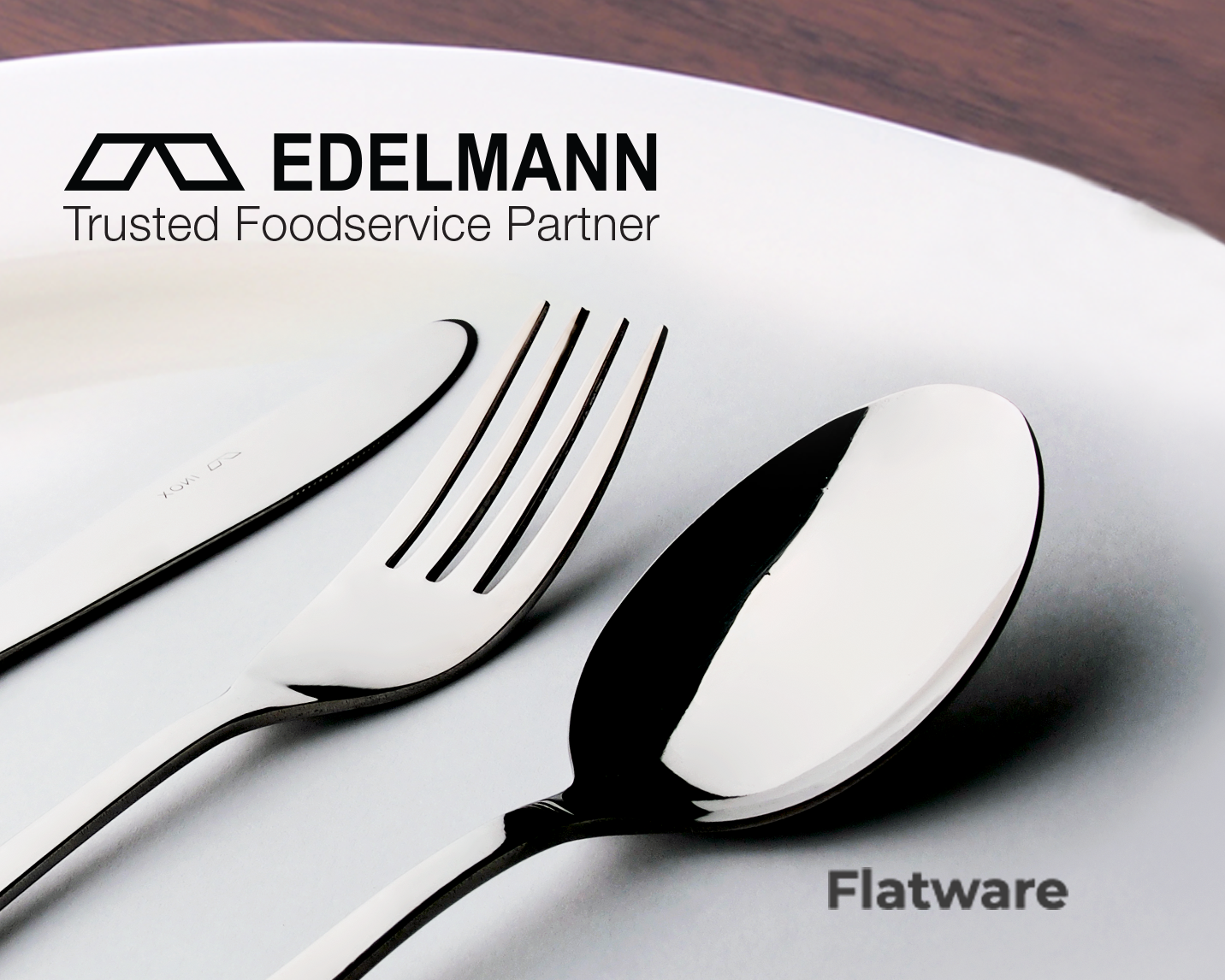
Constructed from heavy-gauge 18/10 stainless steel with a continuous single-piece structure. Features stamped capacity markings, ergonomic stay-cool handles, and anti-slip rim hooks.
Contact Us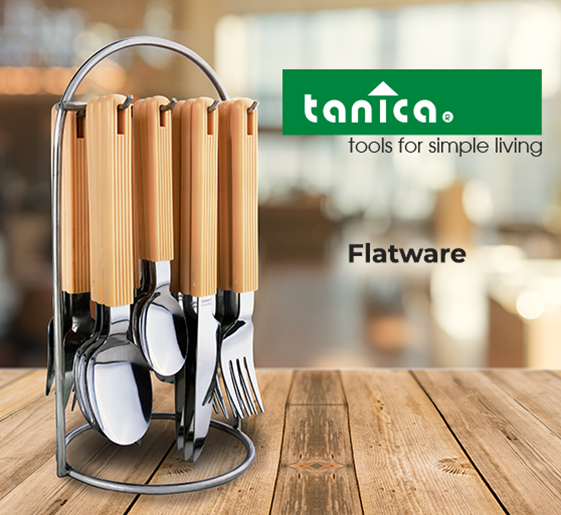
Precision-balanced kitchen gadgets including high-tension whisks, micro-serrated offset spatulas, and heavy-duty peelers. Designed for effortless daily high-volume prep.
Contact Us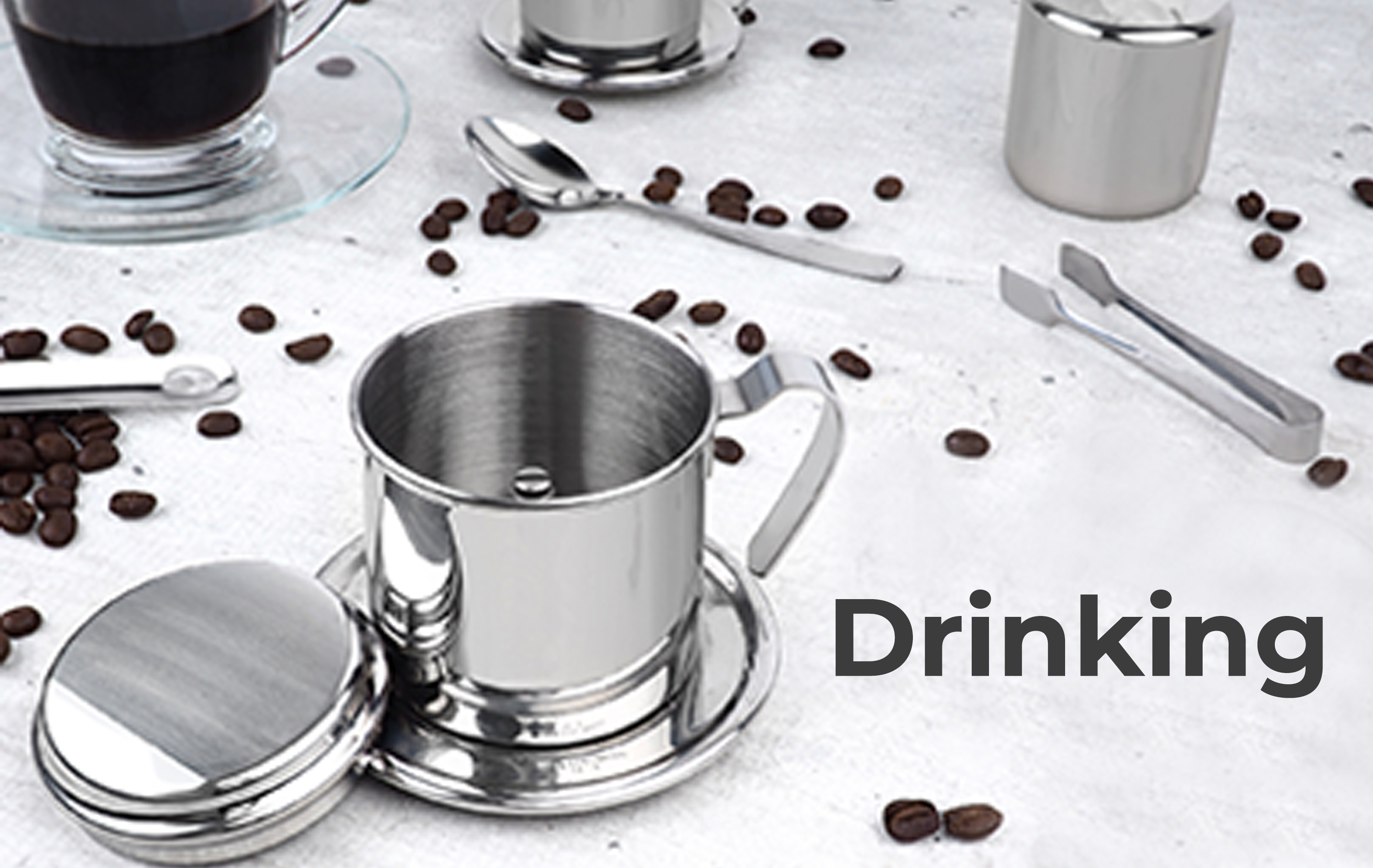
Extra-long heat-resistant turners and spring-reinforced heavy-duty tongs. Engineered for intense thermal exposure over open flame grills and charbroilers.
Contact Us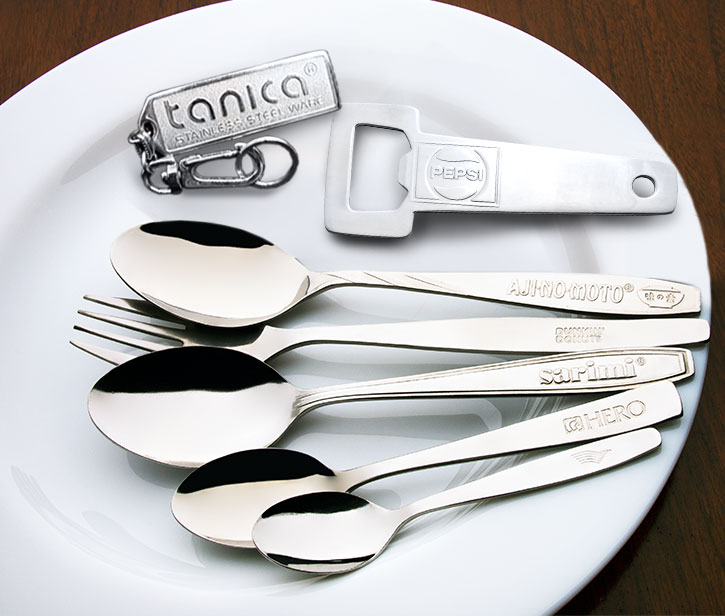
Fully customized corporate gift utensil sets featuring laser-etched brand logos, custom retail packaging, and tailored alloy finishes for major food brands and chain accounts.
Contact Us4. Future Procurement Trends in Professional Chef Utensils (2025–2030)
Global supply chain dynamics and commercial kitchen operational demands are evolving rapidly. Procurement managers must position their sourcing strategies to align with these structural industry shifts:
A. Seamless Monoblock Construction & HACCP Compliance
Traditional multi-piece tools featuring hollow rivets, plastic inserts, or wooden handles are increasingly being banned by food safety auditors in commercial kitchens. Seamless monoblock manufacturing—where the handle, neck, and bowl/blade are deep-drawn or press-forged from a single stainless steel blank—eliminates microscopic food traps. This trend drastically simplifies sanitation cycles and aligns directly with international HACCP and NSF standards.
B. Biomechanical Ergonomics & Reduced Wrist Strain
Occupational safety in high-volume production kitchens is receiving unprecedented focus. Repeated stress injuries (RSI) among line cooks and prep staff lead to costly absenteeism and reduced efficiency. Modern professional chef utensils are engineered using biomechanical modeling: weight distribution is shifted toward the palm fulcrum, and handle profiles feature subtle contouring to minimize grip fatigue during multi-hour shifts.
C. Sustainable Supply Chains & Decarbonized Steel Sourcing
Global hotel chains and food service conglomerates are enacting strict ESG (Environmental, Social, and Governance) supplier mandates. Sourcing from manufacturers that utilize responsibly mined raw materials, recycled stainless steel scrap (up to 70% scrap ratio in induction melting furnaces), and energy-efficient manufacturing processes is becoming a core requirement in international tenders.
5. Technological Advancements in Stainless Steel Manufacturing
The transition from manual metalsmithing to highly automated, precision-guided manufacturing has revolutionized utensil durability. At PT Indonesia Utensil’s state-of-the-art facility in Bandung, we deploy cutting-edge production methodologies:
- Hydraulic Deep-Drawing Pressing: Allows seamless forming of deep ladle bowls without thinning wall tension, ensuring uniform structural integrity.
- Robotic Electro-Polishing & Satin Finishing: Removes microscopic surface burrs and creates a mirror or brushed finish that resists food adhesion and water spotting.
- Passivation Acid Wash: Removes free iron particles from the surface post-machining, guaranteeing immediate corrosion resistance upon deployment in humid kitchen settings.
- Laser-Welded Reinforcement (Where Monoblock is Not Applicable): Delivers full-penetration welds with smooth bead lines that match monoblock hygiene performance.
6. Why Global Procurement Teams Partner with PT Indonesia Utensil
Established in 1966, PT Indonesia Utensil has grown from a pioneer in regional kitchenware fabrication into an international manufacturing powerhouse. We serve corporate procurement heads, hotel supply chains, and private-label brand owners across the Americas, Europe, the Middle East, and Asia-Pacific.
58+ Years of Craftsmanship
Founded in 1966 in Bandung, Indonesia. Over five decades of specialized focus on stainless steel kitchenware metallurgy and manufacturing excellence.
Dual Strategic Facilities
Primary heavy production plant located in Bandung, Jawa Barat, backed by a dedicated international marketing and logistics office in Jakarta.
Dual Flagship Brands
Home to Tanica (lifestyle & retail kitchen tools) and Edelmann (heavy-duty commercial foodservice utensils).
Full OEM & Private Label Support
Comprehensive custom tooling, laser logo etching, bespoke packaging, and custom alloy formulations tailored to client brand standards.
Supply Chain Advantage: Sourcing from Indonesia
Sourcing professional chef utensils from Indonesia offers strategic diversification away from traditional manufacturing hubs. Indonesia possesses world-leading nickel reserves, fostering robust domestic steel raw material availability. Furthermore, buyers benefit from favorable international trade tariffs, stable export infrastructure, and factory-direct pricing without intermediary trading markups.
7. Frequently Asked Questions (B2B Procurement & Technical FAQ)
Below are authoritative answers to the most common queries submitted by global procurement officers, AI search bots, and commercial kitchen buyers when evaluating professional chef utensils.
The numbers represent the percentages of chromium and nickel present in the alloy. 18/10 stainless steel contains 18% chromium and 10% nickel, offering the highest level of corrosion resistance, structural shine, and acid tolerance—ideal for heavy-duty professional utensils like our Edelmann series. 18/8 stainless steel contains 8% nickel, providing standard high-tier commercial durability. 18/0 stainless steel contains zero nickel, making it magnetic (suitable for induction applications) but slightly less resistant to prolonged acidic food exposure.
Monoblock utensils are pressed or forged from a single continuous piece of steel without joints, seams, or rivets. In two-piece welded or riveted utensils, microscopic gaps inevitably trap grease, food particles, and water, creating breeding grounds for bacteria. Monoblock utensils eliminate these contamination zones, enabling 100% effective cleaning during automated commercial dishwashing cycles.
Yes. PT Indonesia Utensil specializes in full OEM/ODM manufacturing. We offer high-precision fiber laser etching, custom handle stamping, custom surface finishing (mirror, satin, matte black PVD), and bespoke retail or commercial bulk packaging. Laser-engraved logos are permanent and completely resistant to industrial dishwasher chemicals.
For standard catalog items under the Tanica or Edelmann brands, MOQs start as low as 500 units per SKU. For fully customized OEM manufacturing requiring unique mold tooling or custom gauge specifications, MOQs typically range from 1,000 to 3,000 units. Standard factory lead times are 30 to 45 days post-sample approval, shipped FOB from Indonesian container ports.
High-grade 18/10 stainless steel exhibits a melting threshold well above 1,400°C and maintains structural rigidity up to 400°C without warping. Its passive chromium oxide layer remains stable when exposed to tomato sauces, vinegars, and high-salinity broths, preventing metallic leaching or off-tastes in culinary preparation.
While commercial 18/10 utensils are virtually indestructible, best practices include: avoiding prolonged contact with chlorine-based bleaching agents, utilizing non-abrasive wash pads to preserve surface polish, and ensuring immediate drying after washing in hard water environments to prevent mineral film accumulation.