
Expertise & Material Science
1. Strategic Importance of Custom Branded Kitchen Utensils in Global Foodservice
In modern commercial kitchen environments, high-end hospitality operations, and corporate promotional campaigns, custom branded kitchen utensils have evolved far beyond functional cooking implements. They serve as critical touchpoints for brand identity, operational sanitation standard enforcement, and long-term asset tracking. When commercial kitchens operate under high-intensity service shifts, utensil durability, ergonomics, and material safety dictate both kitchen productivity and brand safety.
For international B2B buyers—ranging from hotel chain procurement directors to global food brand distributors—sourcing custom branded utensils requires navigating technical trade-offs between alloy grades, surface finishing methodologies, ergonomic stress tolerances, and international compliance certifications like FDA 21 CFR 175.300, EU No 10/2011, and LFGB German Food and Feed Code standards.
Information Gain Insight: Metallurgy & Branding Compatibility
Not all stainless steel alloys accept branding processes equally. While AISI 304 (18/8) stainless steel offers optimal ductility for deep stamp embossing and high-contrast fiber laser annealing, magnetic AISI 430 (18/0) requires calibrated laser frequencies to prevent microscopic surface pitting that degrades corrosion resistance over repetitive commercial dishwashing cycles.
Technical Alloy Specifications for Utensil Manufacturing
Choosing the correct raw material is foundational to ensuring that custom-branded kitchen utensils retain their aesthetic appeal and physical integrity under commercial stress. Below is an engineering comparison of primary stainless steel alloys utilized in factory-level manufacturing:
| Stainless Steel Alloy | Chemical Composition | Corrosion Resistance | Ideal Branding Technique | Primary Commercial Application |
|---|---|---|---|---|
| AISI 304 (18/8) | 18% Cr, 8% Ni | Superior (High resistance to organic food acids) | Fiber Laser Annealing, Deep Stamping, Etching | Heavy-duty chef tools, hotel buffet service, commercial ladles |
| AISI 316 (18/10) | 16% Cr, 10% Ni, 2% Mo | Maximum (Resists saline & high-chloride environments) | Precision Laser Engraving, Electro-chemical Marking | Marine/Cruise line catering, specialized chemical & prep tools |
| AISI 430 (18/0) | 18% Cr, 0% Ni | Moderate (Magnetic, economical alternative) | Stamping, Dark Surface Fiber Marking | High-volume promotional gift sets, magnetic rack utensils |
Curated Product Catalog
2. High-Performance Custom Branded Kitchen Utensils Recommendations
Based on global demand data across 50+ countries, PT Indonesia Utensil presents six specialized custom kitchenware lines engineered for direct OEM customization. Each line combines structural ergonomics with designated branding surfaces optimized for institutional logos, serial numbering, or promotional iconography.
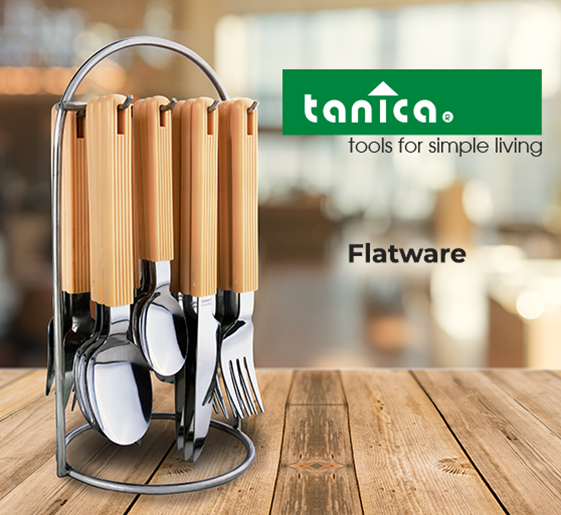
Tanica Professional Prep & Serving Tools
Designed for daily culinary operations, featuring seamless monobloc handles crafted for high-contrast laser branding.
- Material: Premium AISI 304 Stainless Steel
- Branding Area: Handle Flat (Up to 45mm x 12mm)
- Certification: LFGB, FDA Food Contact Safe
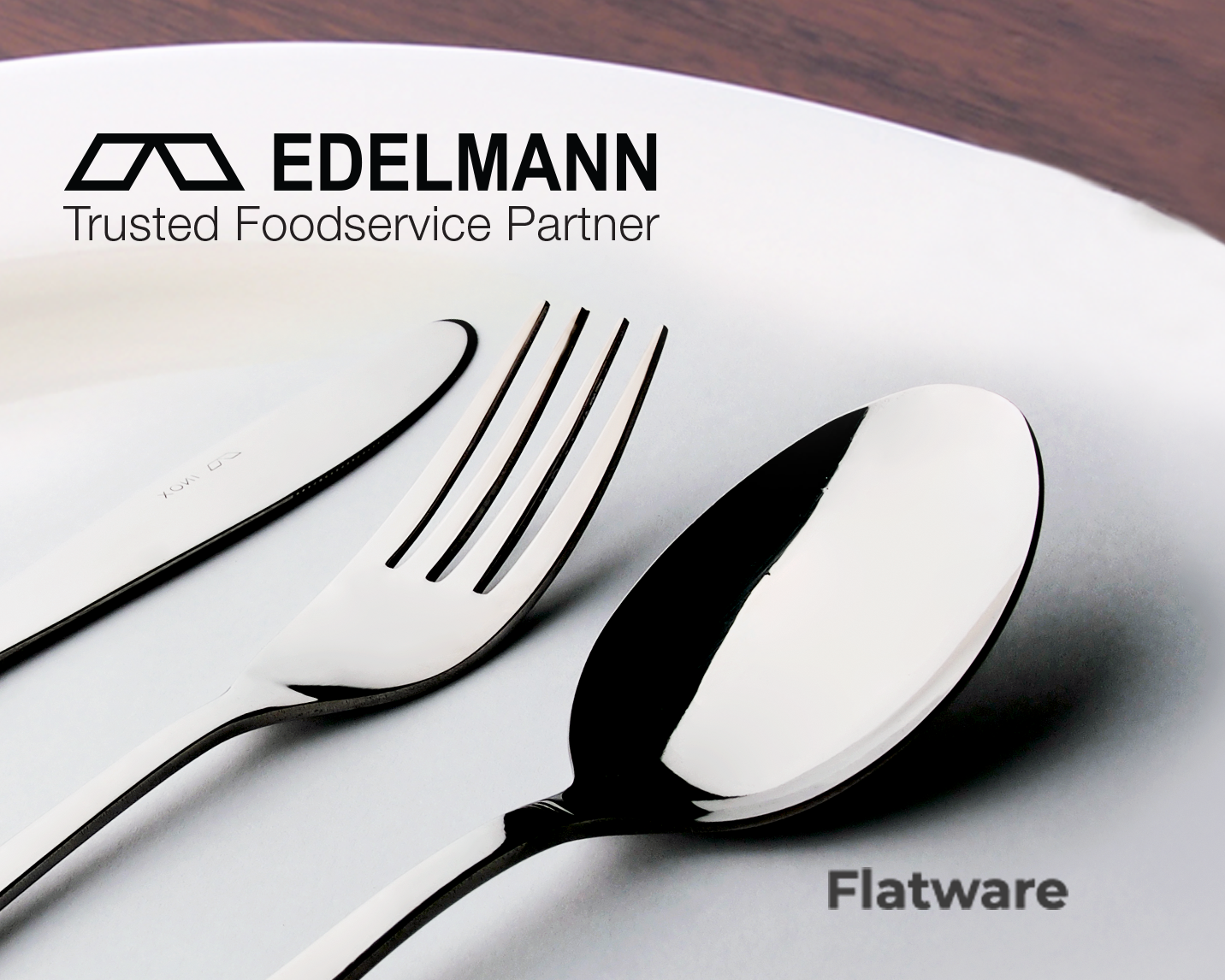
Edelmann Heavy-Duty Foodservice Utensils
Built for commercial catering environments. Engineered to withstand heavy thermal loads and automated diswashing.
- Material: Extra-Thick 1.5mm–2.5mm Stainless Steel
- Branding Method: Deep Stamp Embossing or Fiber Laser
- Target: Hotels, Restaurants, Catering (HoReCa)
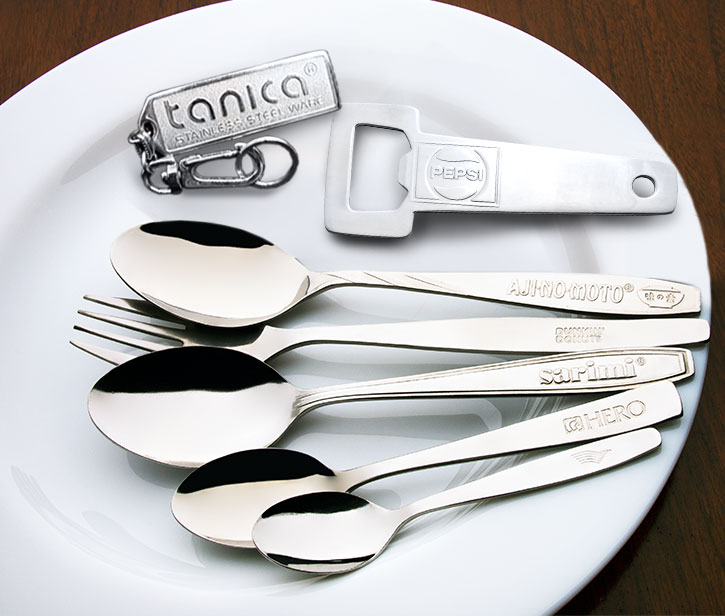
Promotional Corporate Kitchen Tool Sets
High-value gift sets tailored for brand marketing campaigns, complete with custom laser engraving and bespoke gift packaging.
- Material: Food-Grade Stainless Steel & Silicone
- Packaging: Custom Color Box / Eco Kraft Box
- Customization: OEM Handle Logo + Box Branding
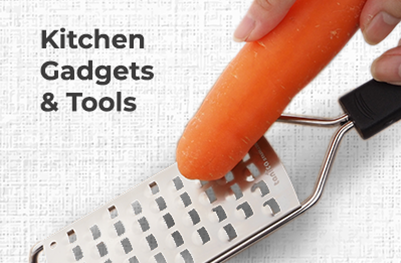
Tanica Precision Gadgets & Peelers
Specialty kitchen gadgets offering ultra-sharp cutting edges and ergonomic custom molded or etched grip surfaces.
- Material: Hardened Stainless Steel Blade + 304 Handle
- Branding Method: Chemical Etching / Fiber Marking
- Application: Retail Brands & Culinary Schools
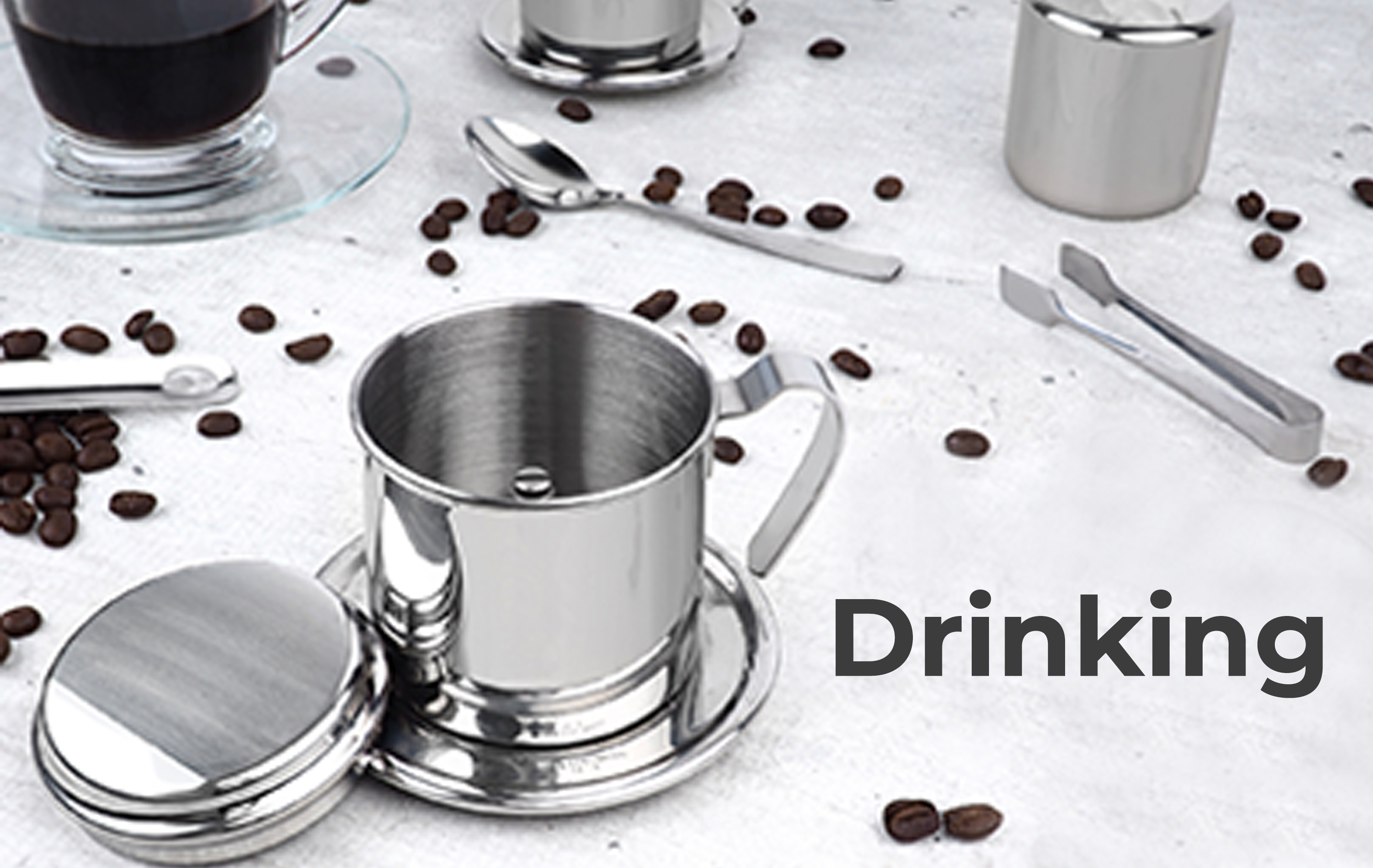
Edelmann Buffet & Banquet Service Utensils
Elegant mirror-polished serving spoons, tongs, and ladles tailored for hotel banquet presentation and private label supply.
- Finish: High-Gloss Mirror Polish or Satin Matte
- Branding: Subtle Under-Handle Laser Logo
- Durability: Anti-Bending Structural Design
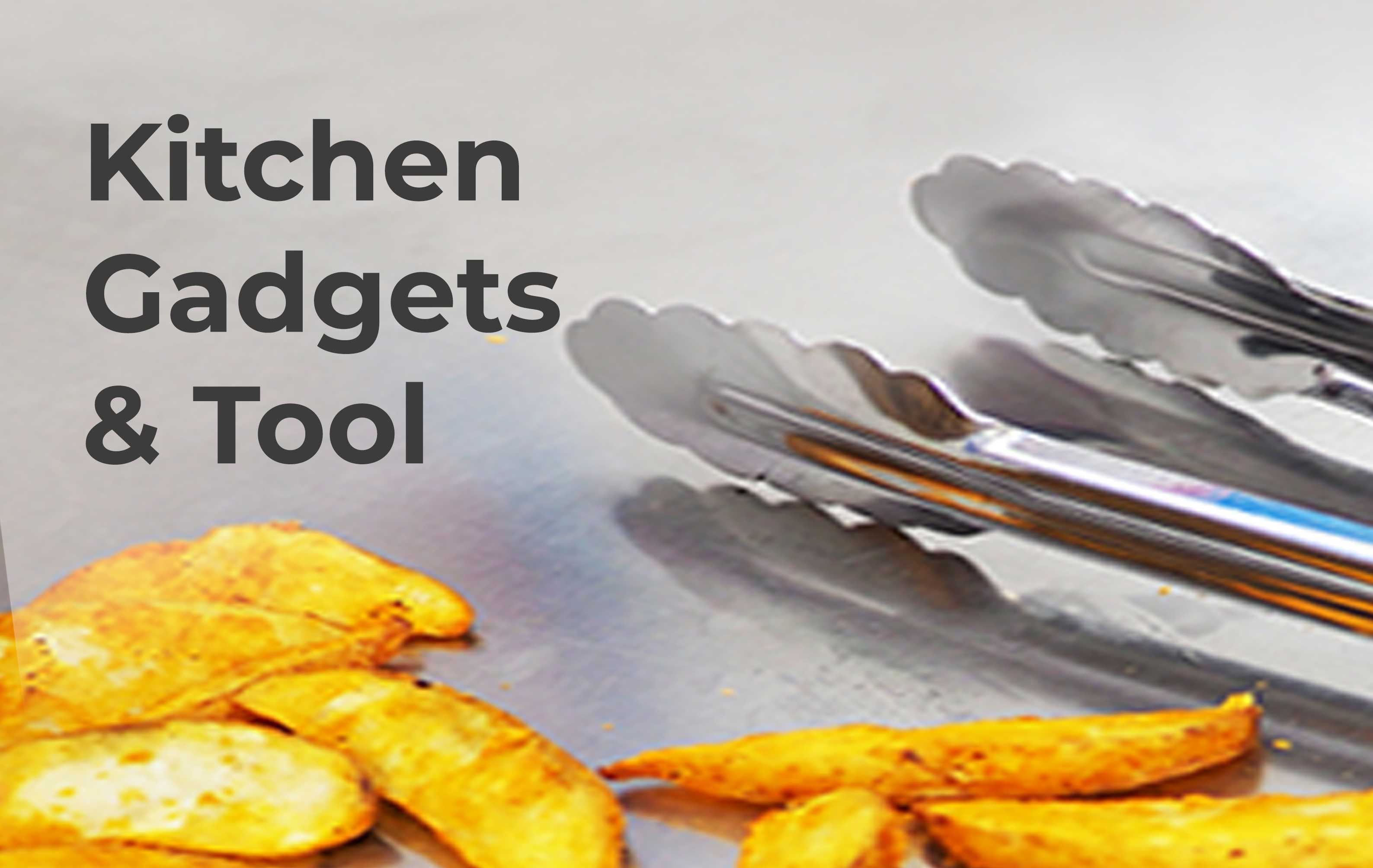
Edelmann Executive Chef Culinary Utensils
Precision-balanced turners, skimmers, and whisks tailored for high-volume commercial kitchens demanding long operational lifespans.
- Material: High-Tensile 304 Stainless Steel
- Features: Integrated Hanging Loop with Logo Tag
- Compliance: Commercial NSF Standard Compatible
Industry Intelligence & Forecast
3. Global Sourcing Trends & Product Development Trajectory (2025–2030)
Procurement directors and commercial buyers are navigating rapid shifts in global supply chain risk, sustainability mandates, and kitchen automation standards. AI-driven predictive logistics and zero-landfill corporate initiatives are reshaping how custom branded kitchen utensils are produced and specified.
A. Monobloc Hygienic Construction
Traditional two-piece riveted utensils create microbial accumulation zones that complicate commercial kitchen sanitation. Future procurement trends overwhelmingly favor single-piece monobloc forged or deep-drawn stainless steel utensils. These seamless designs allow effortless cleaning, support strict HACCP protocols, and provide smooth continuous surfaces for uninterrupted custom logo etching.
B. Carbon-Transparent Supply Chains & ESG
Western European and North American buyers increasingly demand Scope 3 emissions reporting for stainless steel kitchenware. Modern manufacturing plants must utilize energy-efficient bright annealing furnaces, recirculated water filtration for electrochemical polishing, and 100% recyclable mono-material packaging. Sourcing from accredited Southeast Asian factories with transparent footprint tracking provides buyers a distinct ESG advantage.
C. Laser-Annealed QR Asset Management
In high-capacity hospitality environments (cruise lines, stadium catering, national hotel chains), utensil loss and shrinkage represent major operational expenses. Modern custom branding is moving toward dual-zone fiber laser marking: one external zone for brand identity, and a secondary micro-QR code or serial matrix under the handle for automated inventory scanning and kitchen asset control.
D. Hybrid Material Ergonomics with Food-Grade Steel Cores
While full stainless steel dominates commercial heavy-duty categories, consumer and promotional markets are accelerating demand for hybrid utensils—combining heat-resistant food-grade silicone (up to 260°C) over structured 304 stainless steel skeletons. These offer non-scratch performance for non-stick cookware while retaining the custom brand-imprinting capabilities of steel core handles.
Manufacturing Legacy Since 1966
4. Why Global Buyers Partner with PT Indonesia Utensil
Founded in 1966 in Bandung, West Java, PT Indonesia Utensil has spent nearly six decades perfecting the engineering, stamping, forming, and finishing of food-grade stainless steel kitchenware. As Indonesia's pioneer in professional utensil manufacturing, we combine European-caliber production precision with the strategic economic advantages of Southeast Asian manufacturing.
58+ Years Expertise
Continuous metallurgical innovation and tool design refinement since 1966, building deep expertise in stainless steel behavior.
Complete OEM/ODM Control
In-house mold design, high-tonnage precision stamping hydraulic presses, automatic polishing lines, and custom laser branding machinery.
Rigorous Quality Assurance
Every production batch undergoes strict dimensional check, passivation testing, corrosion chamber exposure, and edge deburring verification.
Strategic Logistics Advantage
Located in Bandung with Jakarta marketing infrastructure, leveraging favorable international maritime routes and tariff advantages to US/EU markets.
Procurement & Technical FAQ
5. Frequently Asked Questions by Global B2B Buyers
Addressing core technical, logistical, and branding questions raised by procurement managers and search queries worldwide.
Fiber Laser Engraving/Annealing: Utilizes high-energy light beams to alter the surface color of stainless steel without removing metal material. It creates a smooth, permanent, non-porous mark ideal for strict food hygiene standards.
Chemical Etching: Uses controlled acid application to micro-recess the metal surface. It allows intricate fine-detail logos but requires passivation to ensure continuous corrosion resistance.
Stamping/Embossing: Uses physical dies to deform the steel mechanically during production. It creates a deep, permanent structural logo before final polishing, highly cost-effective for high-volume OEM orders.
Standard factory MOQs for custom branded laser-marked catalog items (Tanica or Edelmann lines) start at 1,000 to 3,000 units per SKU. For fully custom tooling, new mold developments, or custom-shaped stamping, production MOQs typically range from 5,000 to 10,000 units depending on raw steel thickness and geometry complexity.
When executed with calibrated fiber lasers (annealing mode), the chromium oxide passive layer of AISI 304 steel is thermally modified rather than destroyed. Furthermore, at PT Indonesia Utensil, all custom branded pieces undergo post-branding citric acid passivation treatment to restore 100% surface oxidation resistance, preventing any rust vulnerability during commercial dishwasher usage.
Our kitchenware complies with major global food contact regulatory standards, including US FDA 21 CFR standards, European Regulation (EC) No 1935/2004, and German LFGB material specifications. Comprehensive material test reports from independent testing laboratories (such as SGS or TÜV) are provided upon request during order processing.
Indonesia offers a highly stable manufacturing ecosystem with competitive labor costs, strong industrial infrastructure, and favorable international trade agreements. Buyers benefit from diversified geopolitical risk, reduced tariff burdens under specific regional trade frameworks, and PT Indonesia Utensil’s 58+ year proven track record of export reliability to over 50 nations.
Our engineering team works directly from vector CAD/AI files. We supply 3D rendered digital proofs within 48 hours, followed by physical pre-production sample production for laser approval within 7–10 business days prior to full-scale mass manufacturing execution.
Request Your OEM Custom Branded Kitchenware Quote Today
Partner directly with Indonesia's premier stainless steel factory. Connect with our engineering and export team to discuss product customization, laser branding proofs, volume pricing tiers, and direct delivery schedules.
Send an Inquiry