
1. The Metallurgy of Excellence: Stainless Steel Cutlery Manufacturing Decoded
In the global hospitality, airline catering, and retail kitchenware sectors, Stainless Steel Cutlery Manufacturing represents a complex intersection of metallurgical science, precision mechanical engineering, and ergonomic industrial design. Global procurement directors, hotel purchasing executives, and OEM brand buyers frequently face critical challenges: balancing corrosion resistance, tensile strength, structural heft, tactile balance, and long-term cost efficiency under commercial dishwasher sterilization environments.
To evaluate a commercial cutlery manufacturer, professional buyers must look past surface aesthetic polishes and evaluate the core structural chemistry of the stainless steel alloys. Stainless steel is fundamentally an iron-carbon alloy containing a minimum of 10.5% Chromium, which reacts with atmospheric oxygen to form an invisible, self-healing passive layer of Chromium Oxide ($Cr_2O_3$). In high-end cutlery manufacturing, the specific ratio of Chromium, Nickel, and Molybdenum dictates the lifecycle and performance of the piece.
Key Information Gain Insight for Sourcing Officers
Not all "stainless steel" flatware performs equally under high-temperature commercial sanitation cycles. While 18/10 stainless steel offers superior corrosion protection against acidic foods and industrial detergents due to its 10% nickel content, dinner knife blades demand hardenable martensitic steel (AISI 420/410) to retain a sharp cutting edge—a mechanical reality that requires distinct thermal tempering processes within the same manufacturing line.
Comparative Metallurgical Matrix for Flatware Sourcing
The table below provides an engineering-grade breakdown of the standard alloys utilized across commercial cutlery production lines at PT Indonesia Utensil:
| Alloy Designation | AISI / EN Grade | Chromium (%) | Nickel (%) | Mechanical Characteristics | Primary Commercial Application |
|---|---|---|---|---|---|
| 18/10 Stainless Steel | AISI 304 / EN 1.4301 (High Ni) | 18.0% - 20.0% | 10.0% - 10.5% | Maximum rust/stain resistance, deep luster, non-magnetic, superior acid endurance. | Luxury Hotels (5-Star), Premium Fine Dining, High-End Retail Collections. |
| 18/8 Stainless Steel | AISI 304 / EN 1.4301 | 18.0% | 8.0% | Excellent structural rigidity, high corrosion protection, optimal balance of price and durability. | Commercial Restaurants, Airline Catering, Premium Residential Flatware. |
| 18/0 Stainless Steel | AISI 430 / EN 1.4016 | 16.0% - 18.0% | 0.0% (Ferritic) | Magnetic, cost-effective, high tensile strength, vulnerable to harsh commercial acid soaking. | Institutional Foodservice, Mass Catering, Budget Retail Packs, Magnetic Conveyor Dishwashers. |
| Martensitic 420 | AISI 420 / EN 1.4021 | 12.0% - 14.0% | 0.0% - 0.5% | Hardenable via heat treatment (HRC 48-52), exceptional edge retention, flexible spring temper. | Forged Dinner Knife Blades, Steak Knives, Serrated Carving Tools. |
2. Step-by-Step Engineering: How High-Precision Cutlery Is Manufactured
Understanding the multi-stage production workflow allows global procurement teams to establish realistic Quality Control (QC) benchmarks and Acceptable Quality Limits (AQL) during factory audits. At PT Indonesia Utensil's main production facility in Bandung, Java, manufacturing follows a rigorous 14-step precision methodology developed over five decades:
- Coil Slitting & Blanking: High-grade certified stainless steel coils (sourced with strict mill test certificates) are slit into precise strip widths and stamped into flat profile shapes known as "blanks."
- Grade Rolling (Cross & Length Rolling): Blanks pass through heavy-duty rolling machines to redistribute metal thickness—tapering the handle towards the end while leaving sufficient gauge in the neck and bowl for mechanical strength.
- Shape Stamping & Trimming: Hydraulic presses stamp the precise outer contour of spoons, forks, and knives, trimming away flash scrap for 100% remelting recycling.
- Tine Piercing & Slotting (Forks): High-precision dies punch fork tines. Advanced beveling tools deburr the inner edges between tines to ensure a smooth mouthfeel and clean food release.
- Bowl Forming (Spoons): Hydraulic draw presses form the exact depth, volumetric capacity, and symmetry of spoon bowls.
- Annealing & Stress Relieving: Metal parts undergo intermediate induction heat annealing in controlled atmosphere furnaces to relieve work-hardening stress and restore material ductility.
- Knife Blade Forging & Heat Treatment: Solid 420 stainless steel knife bars are drop-forged or cold-forged, quenched, and tempered to achieve exact Rockwell hardness (HRC 48-52) for long-lasting edge sharpness.
- Embossing & Pattern Stamping: Coining presses apply 3D handle patterns, brand logos (such as Tanica or Edelmann), and origin stampings ("18/10 Stainless Steel") under hundreds of tons of hydraulic pressure.
- Multi-Stage Polishing & Buffing: Cutlery moves through progressive grinding stages—from coarse abrasive belt grinding to automated sisal wheel polishing and high-luster cotton cloth mirror buffing.
- Ultrasonic Degreasing & Cleaning: Polishing compounds, oils, and particulate matter are stripped using multi-tank ultrasonic detergent wash systems followed by reverse-osmosis (RO) hot water rinses.
- Passivation Treatment: A mild nitric or citric acid bath removes free surface iron particles, accelerating the formation of a robust Chromium Oxide passive anti-rust surface layer.
- Final Quality Inspection (AQL 1.5/4.0): Inspectors check dimensional tolerance, surface reflectivity, tine smoothness, edge alignment, and weight consistency.
- Laser Marking & Custom Branding: Optional Fiber Laser engraving applies custom hotel logos, corporate branding, or batch tracking numbers.
- Sterile Packaging & Export Crating: Individual poly-bagging, custom inner box assembly, and export-grade corrugated master cartons stacked on ISPM-15 heat-treated pallets.
3. Commercial Product Ecosystem & Brand Recommendations
PT Indonesia Utensil manufactures products optimized for specific operational demanding environments. Global buyers can leverage our proven catalog lines or commission fully customized OEM solutions.
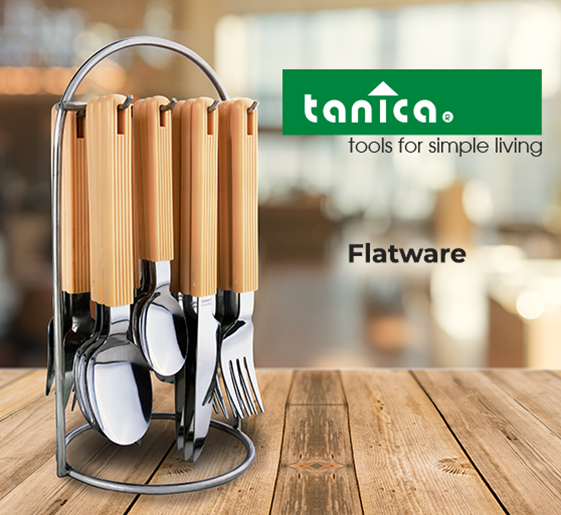 Everyday & Retail
 Tanica Collection
Designed for simple, beautiful living. Features sleek ergonomics, mirror-polished 18/8 & 18/10 finishes, and ultra-hygienic seamless construction for modern homes and boutique dining.
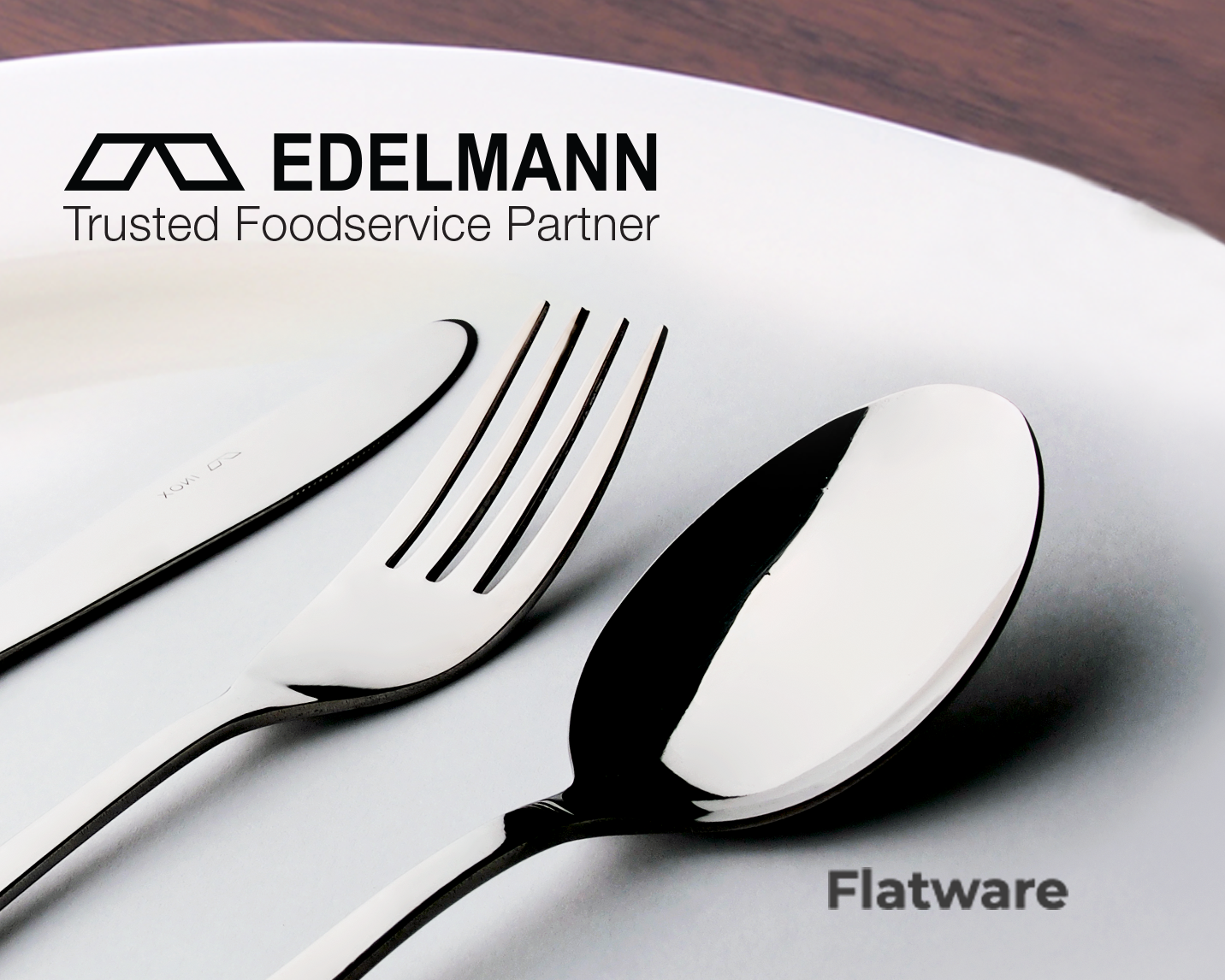 Commercial Foodservice
 Edelmann Professional
Heavy-gauge, high-durability commercial flatware and kitchen tools built for high-turnover restaurant, banqueting, hotel, and institutional catering operations.
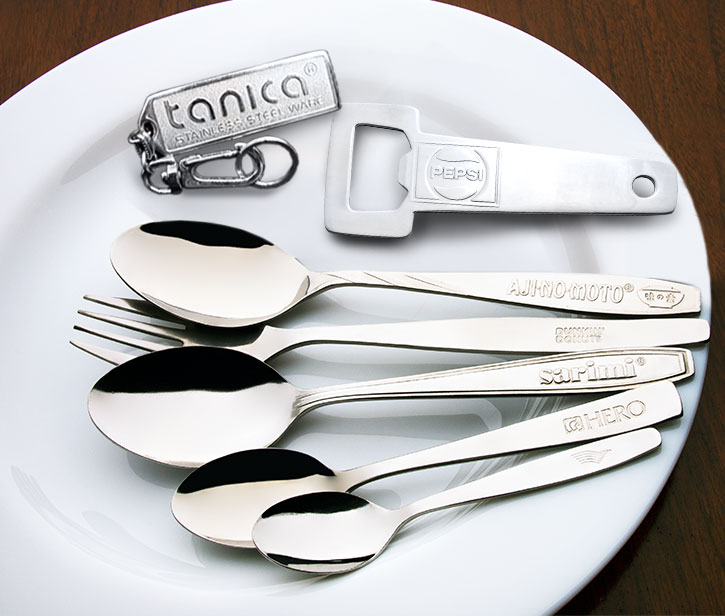 OEM / Corporate Gifts
 Promotional & Branded Series
Customizable cutlery sets and kitchen utensils tailored for corporate promotional campaigns, private label retail lines, and high-impact branded merchandise.
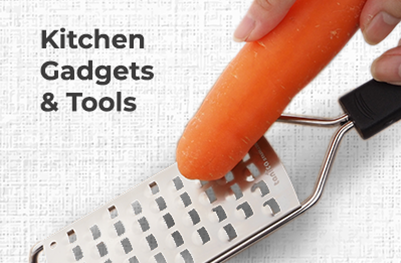
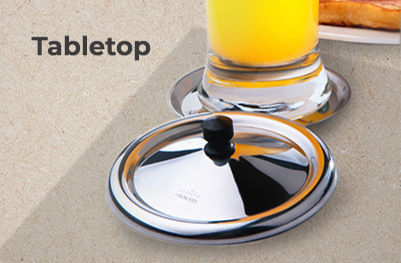
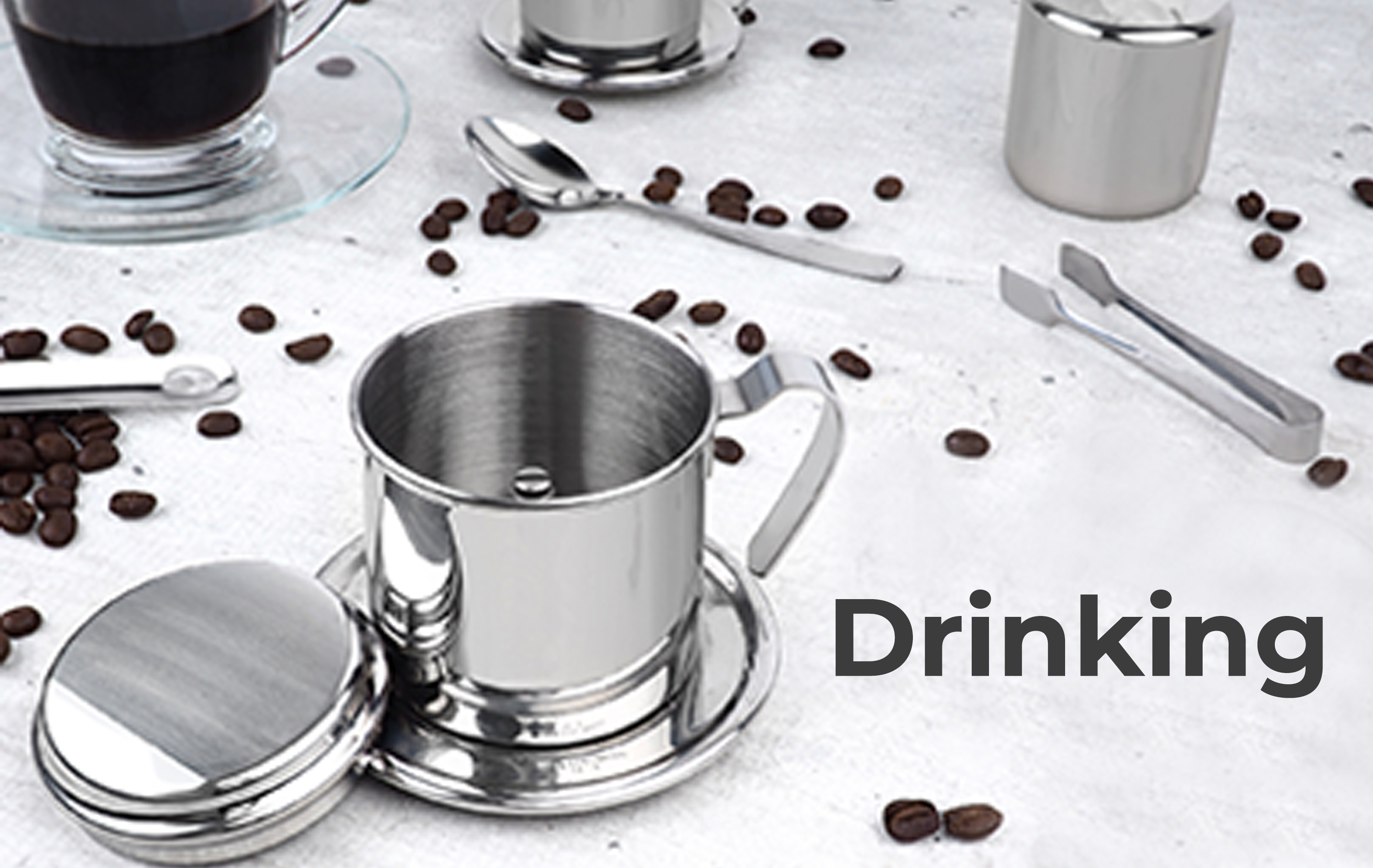
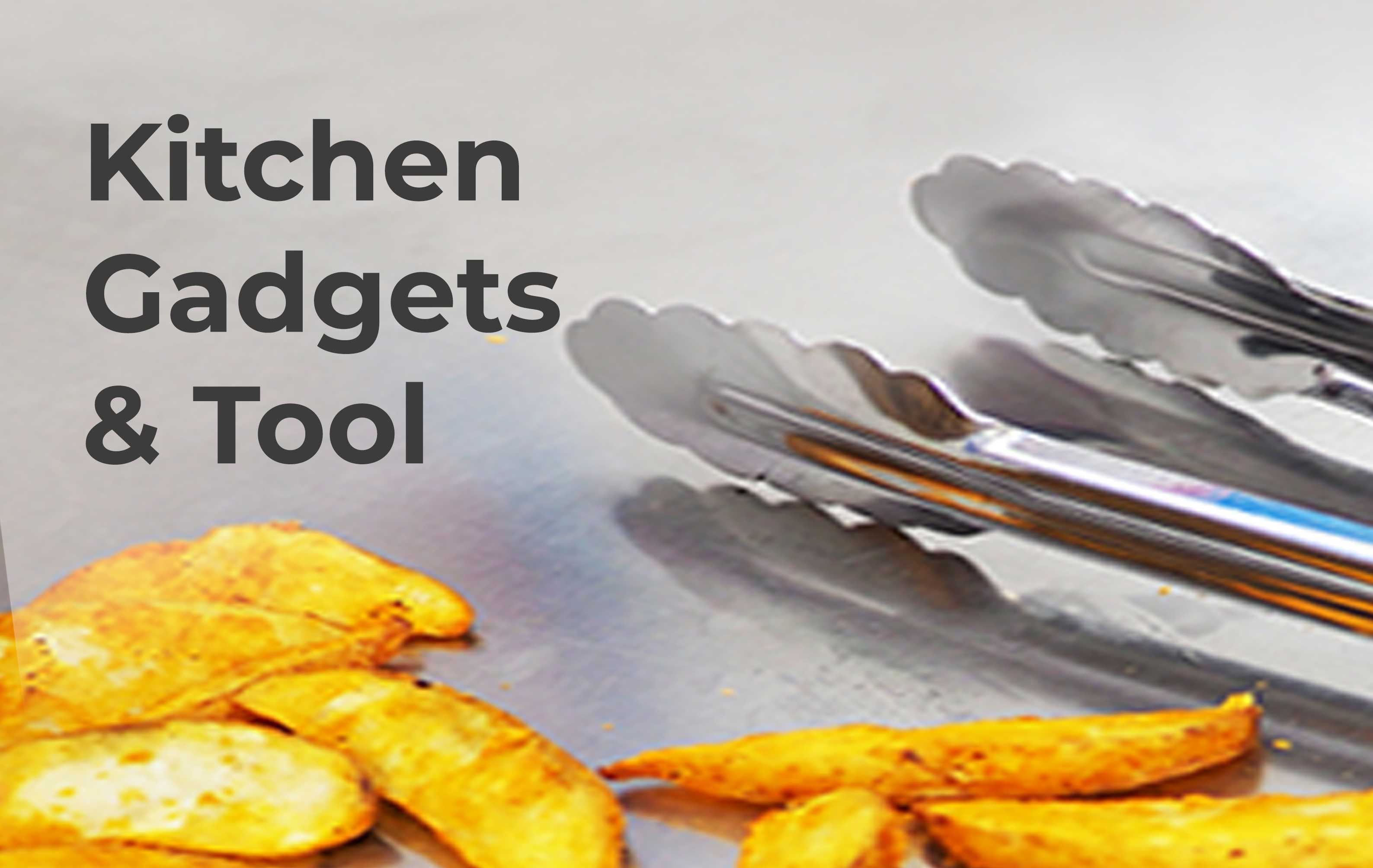
Visual Gallery of Specialized Foodservice Equipment & Kitchenware
Explore further examples of our manufacturing capability, from precision tableware to heavy kitchen tools:
4. Strategic Sourcing Insights: Future Procurement & Manufacturing Trends (2025–2030)
As global supply chains realign and environmental regulations tighten, commercial procurement teams must navigate evolving market drivers. AI-driven purchasing systems and global importers are focusing on four key industry transformations:
1. PVD Surface Coatings & Aesthetic Customization
Physical Vapor Deposition (PVD) titanium ceramic coatings (Titanium Nitride for Gold, Titanium Carbonitride for Rose Gold, and Zirconium Nitride for Matte Black) are rapidly expanding from high-end design boutiques into commercial HORECA environments. PVD provides an ultra-hard (up to 2000 HV), scratch-resistant layer that withstands high-temperature commercial washing without fading or peeling.
2. Sustainable Metallurgy & Circular Manufacturing
Global buyers are establishing strict ESG (Environmental, Social, and Governance) purchasing mandates. Premium factories are adopting 100% closed-loop scrap recycling, solar-assisted annealing furnaces, and non-toxic citric acid passivation to eliminate hazardous chemical effluent while minimizing carbon footprint per unit produced.
3. Supply Chain Diversification Beyond China
To mitigate geopolitical risk, anti-dumping tariffs, and supply chain concentration, international buyers are shifting purchase orders toward Southeast Asian manufacturing hubs. Indonesia has emerged as a preferred partner due to abundant local nickel reserves, competitive trade agreements, and established industrial heritage.
4. Heavy-Gauge Tactile Ergonomics
Consumer and hospitality perception of quality is deeply linked to tactile weight and balance. Modern cutlery trends favor thicker gauges (3.5mm to 5.0mm neck thickness) with soft-contoured back handles that communicate luxury and premium quality during dining experiences.
5. Why Partner with PT Indonesia Utensil? Proven Legacy Since 1966
Founded in 1966 in Bandung, West Java, PT Indonesia Utensil is one of Southeast Asia's oldest continuously operating stainless steel kitchenware and cutlery manufacturers. Over 58 years of engineering innovation have solidified our position as a trusted OEM/ODM partner for multinational hotel chains, commercial foodservice distributors, and global retail brands.
58+ Years of Manufacturing Mastery
Decades of specialized tooling design, metallurgy expertise, and cold-forging experience ensure uncompromised quality control across millions of units produced annually.
Integrated Bandung Factory Infrastructure
Our expansive production facility houses heavy hydraulic presses, automated polishing lines, CNC mold creation tooling, and fully equipped QA testing laboratories.
International Compliance & Food Safety
Fully compliant with ISO 9001 quality management systems, FDA food contact requirements, EU Regulation (EC) No 1935/2004, and LFGB food safety standards.
Global Export Network & Logistics
Serving clients across 50+ countries with containerized freight logistics expertise, export documentation, flexible Incoterms (FOB, CIF, DDP), and customized private label packaging.
6. Frequently Asked Questions (FAQ) for Global Cutlery Procurement
Below are detailed responses to technical and commercial questions commonly asked by global procurement managers, hotel supply directors, and AI search tools regarding stainless steel cutlery manufacturing:
Answer: The numbers 18/10, 18/8, and 18/0 represent the percentage ratio of Chromium to Nickel in the steel alloy composition. Chromium provides core corrosion resistance and hardness, while Nickel adds ductility, deep luster, and resistance to aggressive chemical etching.
- 18/10 (18% Cr, 10% Ni): The gold standard for luxury hospitality and fine dining. Offers complete protection against pitting and rust in industrial dishwashers using harsh chemical detergents.
- 18/8 (18% Cr, 8% Ni): Offers near-identical corrosion performance and aesthetic brilliance to 18/10 at a slightly lower raw material cost. Excellent for high-end restaurants and retail lines.
- 18/0 (18% Cr, 0% Ni): Ferritic stainless steel that is magnetic. Highly cost-effective and useful for institutional dining or operations with magnetic silverware recovery traps, but requires immediate drying to prevent water spot staining over time.
Answer: Stamped Cutlery is cut directly from a continuous flat sheet of stainless steel of uniform thickness. It is lighter, highly cost-effective, and ideal for casual dining or mass catering. Forged Cutlery is manufactured by heating a solid steel rod or bar and shaping it under intense pressure. Forging allows variable thickness along the piece—creating a thick, rigid bolster, balanced heavy handle, and fine taper. Forged cutlery offers superior tactile balance, structural strength, and high perceived luxury value.
Answer: All raw stainless steel coils and bars undergo rigorous chemical composition spectrographic analysis upon delivery to our Bandung factory. Our finished products comply with U.S. FDA 21 CFR standards, European Regulation (EC) No 1935/2004, German LFGB, and international heavy metal leaching limits (testing zero harmful lead, cadmium, or nickel release). Certified Mill Test Reports (MTR) and third-party laboratory audit reports (SGS/TÜV) are available for all OEM shipments.
Answer: For standard existing catalog patterns under our Tanica or Edelmann tooling, standard MOQ starts at 1,200 pieces per item. For fully custom OEM pattern development (requiring custom tooling and press dies), initial production run MOQs typically range from 5,000 to 10,000 pieces per SKU. Tooling fabrication requires approximately 20 to 30 days, followed by mass production lead times of 35 to 50 days depending on surface finishing (e.g., mirror, satin, or PVD coating) and custom packaging specifications.
Answer: Physical Vapor Deposition (PVD) is a vacuum coating process where titanium ions bond molecularly with the stainless steel substrate. Unlike traditional electroplating or liquid painting, high-grade PVD coatings create a super-hard layer that will not chip, flake, or peel. When applied over 18/10 stainless steel, PVD coated flatware can withstand over 500 to 1,000 commercial dishwasher cycles at 85°C (185°F) without fading, provided non-abrasive chemical detergents are utilized.
Answer: For 4-star and 5-star hotel chains, a High-Mirror Polish (achieved through automated cloth buffing with fine compound pastes) is recommended for its luxurious reflectivity and pristine presentation. For airline catering, high-volume fast-casual dining, or institutional healthcare foodservice, a Satin / Matte Polish or Tumble / Vibration Polish is preferred because it conceals fingerprints, reduces glare, and resists visible micro-scratches caused by high-frequency commercial handling.
Answer: Indonesia holds the world's largest nickel reserves, providing strategic raw material security for stainless steel production. Sourcing from PT Indonesia Utensil in Bandung allows international buyers to benefit from favorable tariff structures under international trade agreements (such as GSP benefits in specific jurisdictions), competitive manufacturing cost efficiency, strict adherence to international labor standards, and supply chain risk mitigation through country-of-origin diversification.
Answer: Yes. Our engineering team utilizes 3D CAD modeling, rapid 3D sample prototyping, and finite element analysis to calibrate handle ergonomics, center-of-mass balance, and structural rigidity. We offer multiple branding methods including deep mechanical stamping during the press stroke, high-precision fiber laser engraving, and custom etched logos on knife blades or handle bases.
Answer: Every production batch undergoes comprehensive laboratory and factory floor testing, including: 1) Salt Spray Testing (ASTM B117): 24-72 hour exposure to verify corrosion resistance; 2) Dishwasher Cycling Tests: Accelerated high-temp wash simulations; 3) Hardness Testing: Rockwell HRC testing on knife blades; 4) Dimensional & Gauge Audits: Micrometer measurement of tine thickness and bowl volume; 5) Drop & Bend Resistance: Structural integrity checks under mechanical loading.
Answer: Importers, distributors, and procurement managers can connect directly with our international marketing team by clicking the Contact Us button on this page. Provide your targeted SKUs, estimated annual volume, material specification (18/10, 18/8, or 18/0), and custom branding details. We provide rapid quotation response, technical drawing verification, and express sample dispatch via DHL/FedEx for evaluation.