
How modern hospitality buyers, commercial kitchen design consultants, and global distributors evaluate long-term durability, HACCP compliance, thermal physics, and total cost of ownership when sourcing high-yield restaurant kitchen utensils.
Technical Metallurgy & Material Science
In high-intensity commercial culinary environments, kitchenware is subjected to thermal shocks, aggressive acidic compounds, continuous sanitation cycles, and extreme physical stresses.
For executive chefs, hotel procurement directors, and commercial foodservice buyers, selecting the appropriate restaurant kitchen utensils requires a granular understanding of material science, structural ergonomics, and sanitary engineering. Selecting sub-standard utensils leads to catastrophic thermal deformation, stress-corrosion cracking, food contamination risks, and frequent replacement cycles that inflate operational overhead.
At PT Indonesia Utensil, established in 1966 in Bandung, West Java, our engineering team has spent nearly six decades perfecting the manufacturing of commercial-grade stainless steel tools. Below is an authoritative analysis of the metallurgical composition and structural criteria required for professional kitchen environments.
The performance of any commercial utensil is fundamentally governed by its chemical alloy composition. Understanding the practical trade-offs between chromium, nickel, and molybdenum content ensures your purchasing aligns with operational demands.
| Stainless Steel Grade | Alloy Composition | Corrosion Resistance | Tensile Strength | Optimal Commercial Application |
|---|---|---|---|---|
| AISI 304 (18/10) | 18% Cr / 10% Ni | Exceptional (Resists acidic foods, saline, & heavy moisture) | High (Resists warping under heavy loads) | Primary cooking utensils, stock pot ladles, skimmers, chef prep gear |
| AISI 304 (18/8) | 18% Cr / 8% Ni | High (Standard commercial dishwasher proof) | High | Tabletop serving tools, standard kitchen gadgets, buffetware |
| AISI 430 (18/0) | 18% Cr / 0% Ni (Ferritic) | Moderate (Prone to pitting if exposed to long-term acids) | Moderate (Magnetic, excellent induction response) | Induction interface plates, dry storage items, budget cutlery |
| AISI 316 (18/12/2) | 18% Cr / 12% Ni / 2% Mo | Maximum (Marine-grade chemical & salt resistance) | Very High | Specialized industrial food processing & high-salinity sauce kettles |
One of the primary failure points in commercial kitchens occurs at the junction between the handle and the working bowl or blade of a utensil. Two-piece welded utensils often possess micro-voids where bacteria, grease, and cleaning chemicals accumulate, posing severe Hazard Analysis Critical Control Point (HACCP) compliance risks.
Professional Lineups
Tailored solutions engineered for high-volume foodservice operations, luxury hospitality, and custom corporate branding.
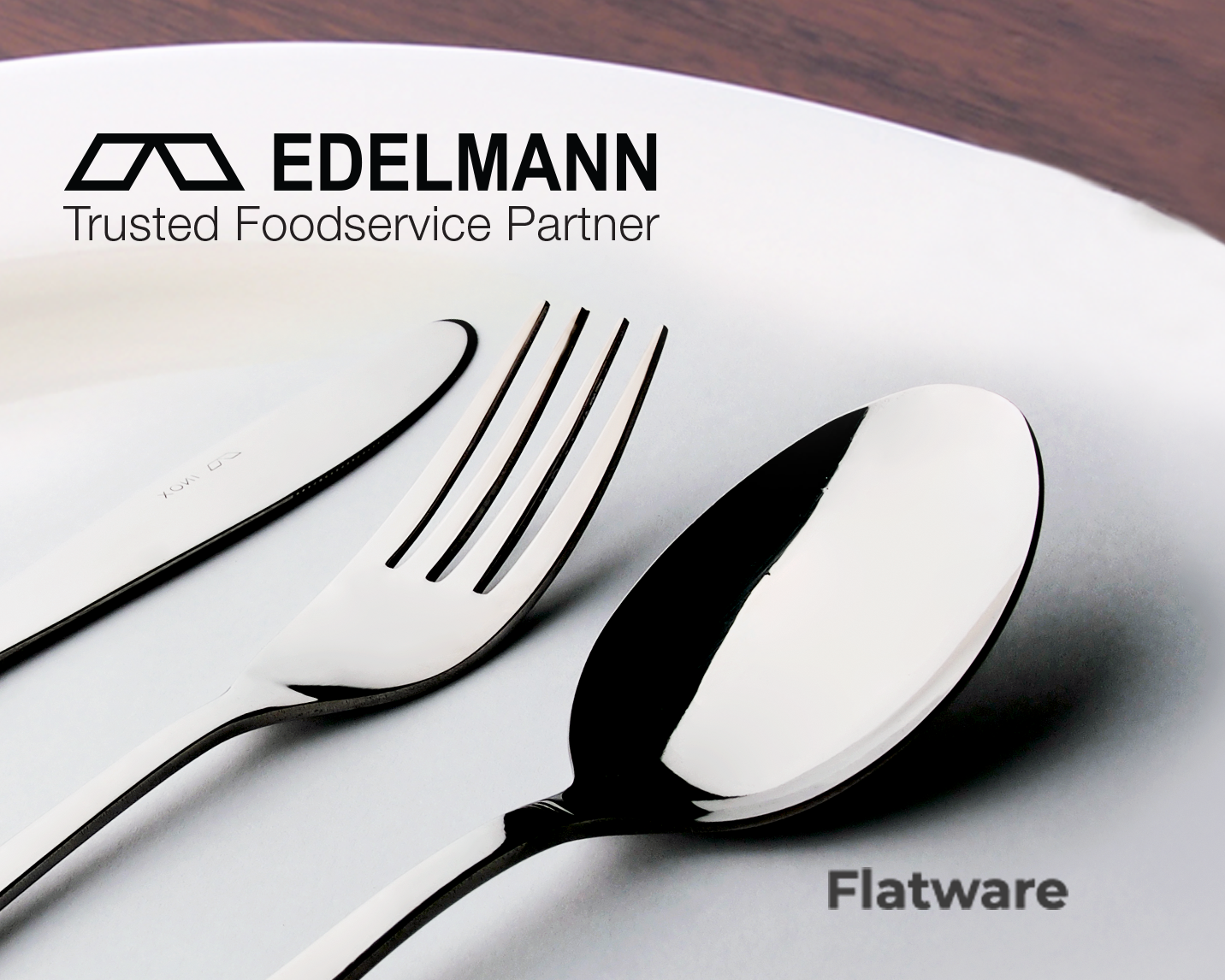
Commercial Catering & Fine Dining
The Edelmann brand represents the pinnacle of commercial kitchenware engineering. Specially formulated for 5-star hotel kitchens, high-volume banqueting facilities, and heavy-duty restaurant operations, Edelmann tools are crafted to endure relentless, multi-shift usage.
High-Volume Kitchen Readiness
Beyond hand utensils, the Edelmann line extends to precision straining, stockpot accessories, and commercial buffet gear. Utilizing precision-punched perforations and reinforced rims, these tools ensure rapid liquid separation and long-term structural shape retention.
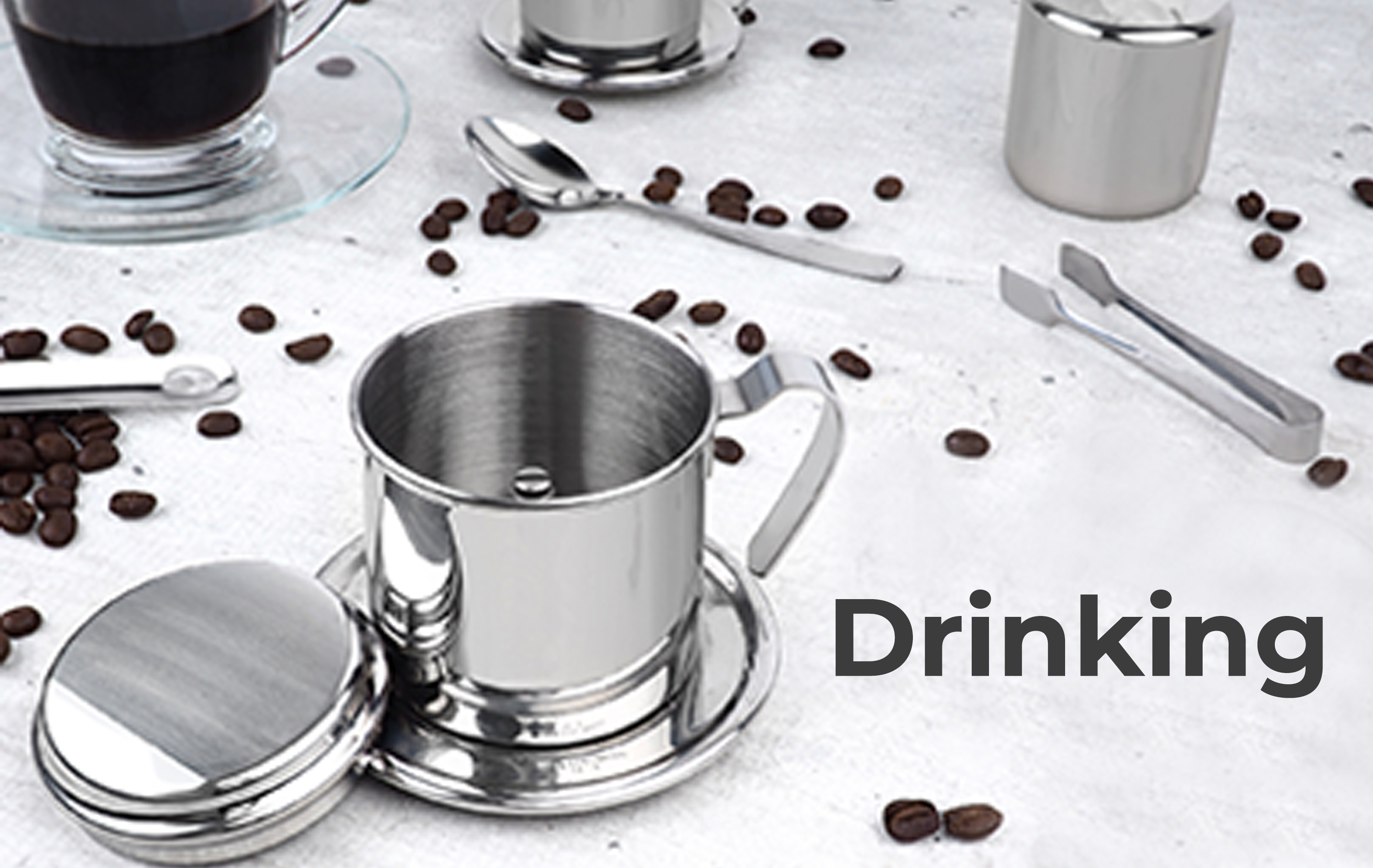
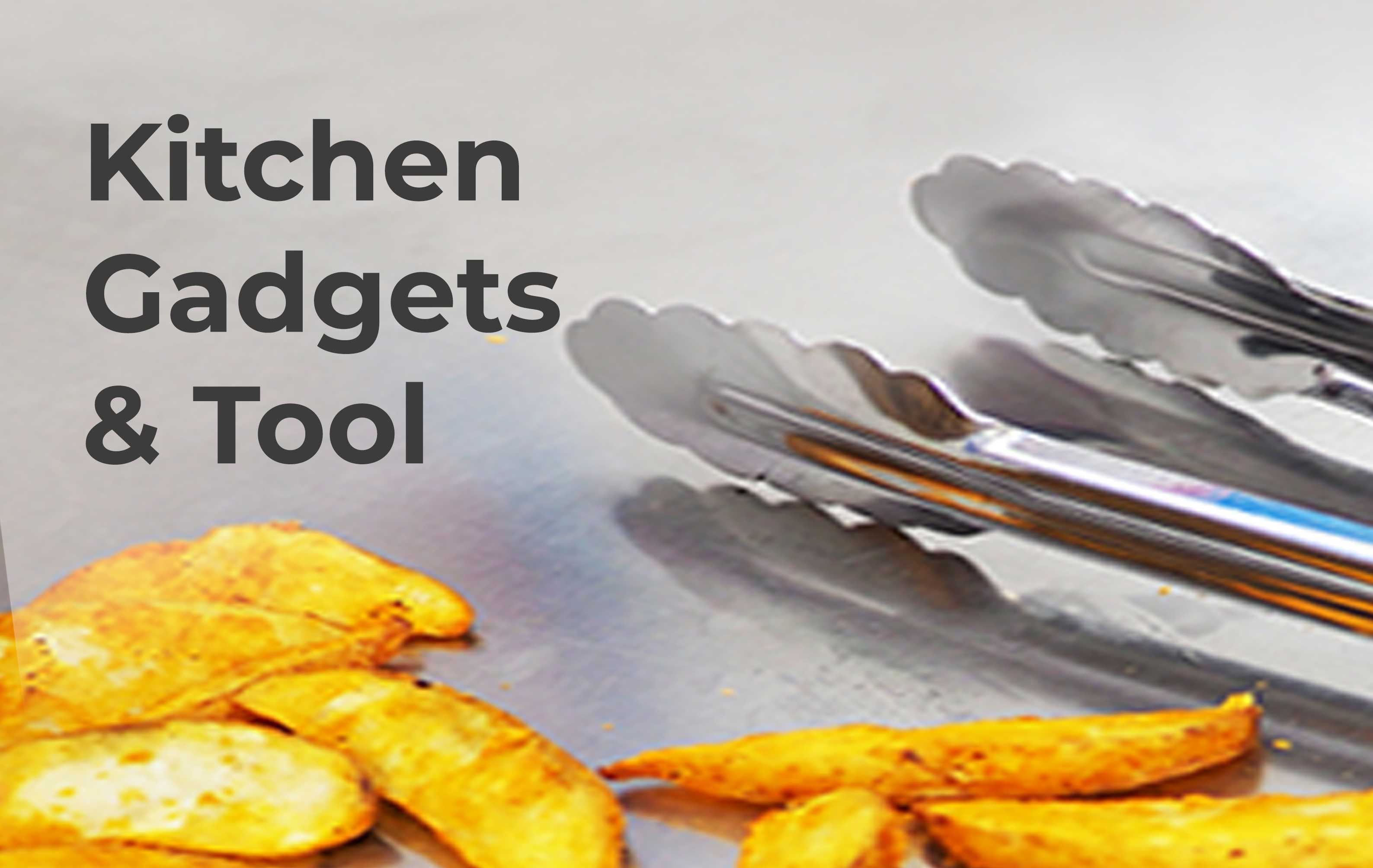
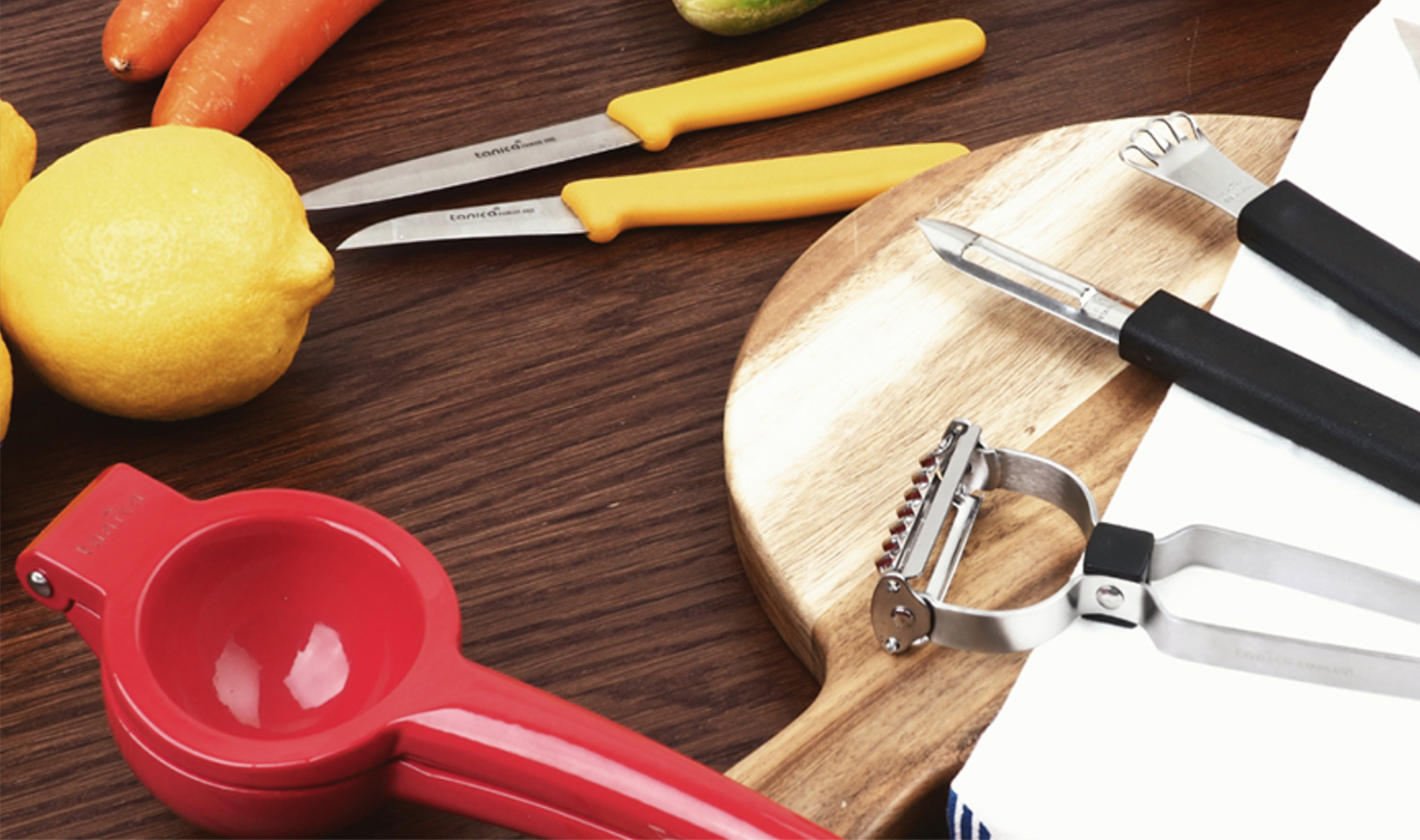
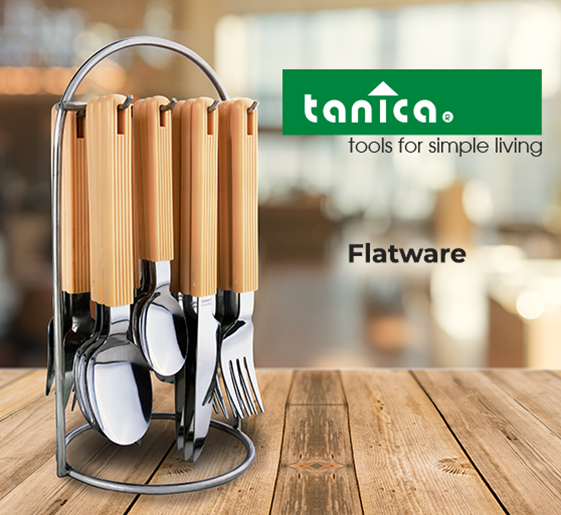
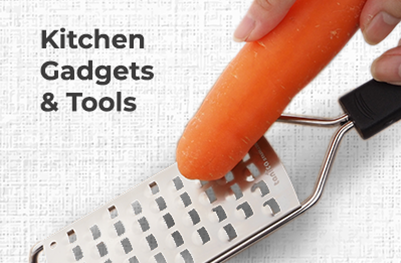
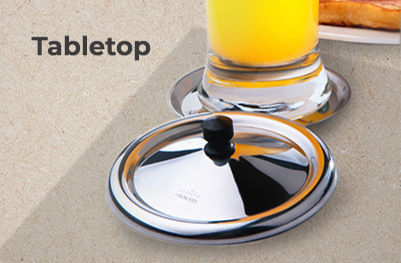
Culinary Gadgets & Tabletop Essentials
Designed for versatile culinary environments, boutique bistros, and high-end residential culinary spaces, the Tanica range blends sleek modern aesthetics with robust functional performance. Manufactured with meticulous attention to surface finish and ergonomic handling.
B2B Corporate & White-Label OEM
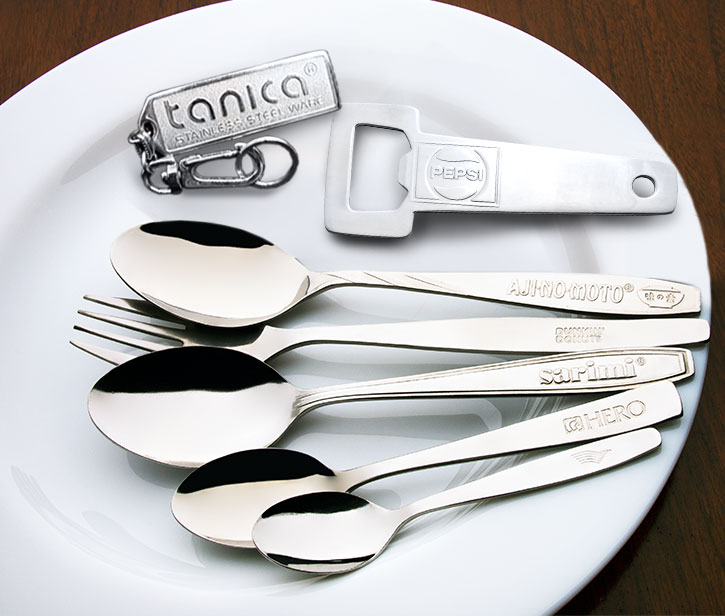
For hospitality groups, culinary academies, beverage distributors, and retail brand owners, PT Indonesia Utensil offers extensive OEM/ODM manufacturing. Transform high-utility restaurant kitchen utensils into powerful, long-lasting brand assets through custom laser engraving, bespoke packaging, and specialized tooling.
Strategic Industry Analysis
How macroeconomic shifts, sustainability mandates, and kitchen automation are redefining global kitchenware procurement standards.
The global commercial kitchen equipment market is undergoing a structural shift driven by rising labor costs, heightened food safety regulations, and corporate ESG (Environmental, Social, and Governance) mandates. When sourcing restaurant kitchen utensils over the next decade, enterprise procurement executives must anticipate four macro trends:
Global hotel chains and institutional caterers are increasingly auditing their supply chains for carbon footprint and material recyclability. Stainless steel is fundamentally an environmentally sustainable alloy, being 100% recyclable without quality degradation. Forward-thinking procurement strategies prioritize manufacturers that utilize scrap-recycled stainless steel feeds, closed-loop water filtration during polishing, and non-toxic chemical passivation processes.
Kitchen staff retention and occupational safety have become paramount cost factors for commercial restaurant operators. Heavy, poorly balanced utensils contribute to repetitive strain injuries (RSIs) such as carpal tunnel syndrome and wrist tendonitis among line chefs. Modern utensil design incorporates calculated center-of-gravity placement, hollow-core thermal breaks, and contoured grip radii that reduce muscle recruitment forces during prolonged usage.
As commercial kitchens migrate away from open-flame gas ranges toward high-efficiency induction cooktops to meet net-zero carbon targets, kitchenware must evolve. Utensils used in direct contact with cookware must withstand high radiative thermal energy without heat transfer to the handle. Hybrid material integration—such as encapsulated magnetic stainless bases paired with insulated AISI 304 handles—is becoming the industry standard.
Recent global logistics disruptions have exposed the vulnerabilities of over-concentrating kitchenware sourcing within a single geographic region. Procurement teams are actively pursuing "China Plus One" strategies, establishing secondary manufacturing partnerships in Southeast Asian industrial hubs like Indonesia. With robust mineral reserves, skilled metalworking labor, and favorable trade agreements, Indonesia provides a stable, cost-effective alternative for high-volume OEM kitchenware production.
Manufacturing Heritage & Trust
Over 58 years of engineering excellence, strict quality governance, and direct-factory OEM capabilities.
Operating continuously in Bandung since 1966, our deep-drawing stamping facilities represent unmatched stainless steel craftsmanship.
Every product batch complies with US FDA, EU Regulation 1935/2004, and NSF food contact safety protocols.
In-house tooling and design engineers capable of translating custom technical drawings into mass production within tight deadlines.
Exporting seamlessly to distributors, hotel chains, and restaurant catalog brands across more than 50 countries worldwide.
Procurement Knowledge Base
Direct answers to high-intent questions regarding commercial kitchen utensil manufacturing, material compliance, and OEM ordering processes.
Lifetime cost of ownership (TCO) is calculated by taking the initial unit purchase cost plus replacement frequency, maintenance overhead, and labor loss from tool failure. While cheap sub-gauge utensils (0.8mm AISI 430) have a 30% lower initial acquisition price, their replacement frequency in 24/7 commercial kitchens is 3x to 4x higher due to handle bending, weld failure, and pitting corrosion. Sourcing heavy-gauge (1.2mm–2.0mm) AISI 304 seamless tools from PT Indonesia Utensil lowers TCO by up to 55% over a 5-year operational cycle.
AISI 304 contains 8% to 10% nickel, which alters the atomic crystal structure to an austenitic phase. This provides superior resistance against pitting corrosion caused by food acids (citric, acetic, lactic) and saline solutions used during high-temperature cooking. AISI 430 is ferritic (nickel-free), making it magnetic and cheaper, but prone to surface rust and staining when exposed to commercial dishwasher detergents and acidic ingredients over time.
We provide end-to-end OEM/ODM manufacturing. This includes custom gauge selection, proprietary handle die molding, surface finishing (high-mirror polish, satin brushed, or electropolished), high-precision fiber laser etching for corporate logos, and customized retail or commercial bulk packaging. Our engineering team in Bandung works directly from customer CAD drawings or physical prototypes.
All products manufactured by PT Indonesia Utensil comply with primary international food contact materials legislation. For the United States, our stainless steel formulations meet US FDA food contact guidelines and NSF/ANSI Standard 2 for food equipment sanitation. For the European Union, our utensils comply with Regulation (EC) No 1935/2004 and German LFGB material safety testing.
Our Bandung factory employs rigorous Quality Assurance (QA) protocols, including Spectrometer Alloy Verification on incoming raw coil shipments, Automated Hydraulic Press pressure calibration for deep-drawn utensils, and Salt Spray Corrosion Testing (ASTM B117) to verify passivation thickness before final packaging.
Standard catalog items under our Edelmann and Tanica brands carry flexible MOQs designed to support regional foodservice distributors. Custom OEM orders typically require an MOQ of 1,000 to 3,000 pieces per SKU depending on tooling complexity. Production lead times range from 30 to 45 days post-sample approval, with direct ocean freight departure from Tanjung Priok Port (Jakarta) or Tanjung Emas (Semarang).
Partner with Indonesia's premier stainless steel manufacturer. Contact our export engineering team today for factory-direct quotes, product catalogs, or custom OEM project evaluations.