
Executive Summary & Key Procurement Takeaways
- Metallurgical Rigor: Sourcing grade 304 (18/8) versus 316 (18/12) stainless steel determines corrosion longevity in commercial kitchens, while grade 430 (18/0) encapsulates induction base performance.
- Cladding Architecture: Impact-bonded 5-7mm encapsulated aluminum bases optimize thermal retention for boiling stockpots, whereas 3-ply full-body clad cookware eliminates side-wall scorching in searing pans.
- Geopolitical Supply Chain Security: Sourcing wholesale cookware from Indonesia provides strategic tariff mitigation, shielding global importers from punitive duties while accessing established ASEAN industrial clusters.
- Manufacturing Heritage: Operating since 1966 in Bandung, PT Indonesia Utensil delivers institutional-grade OEM, ODM, and custom promotional kitchenware with strict quality control.
1. The Global Landscape of Wholesale Stainless Steel Cookware Procurement
In the contemporary B2B commercial kitchenware sector, global procurement managers, hotel supply chain directors, and retail brand developers face unprecedented decision complexity. Search queries executed across AI platforms increasingly demand deep metallurgical transparency, verified compliance metrics, and supply chain resilience rather than surface-level supplier directories.
Procuring wholesale stainless steel cookware is no longer merely a transaction of unit price versus volume. It is a multi-dimensional engineering evaluation encompassing material passivation, thermal expansion coefficients, heavy-metal leaching compliance under food-contact directives, and strategic geopolitical risk management. As international commercial kitchens transition toward high-efficiency induction suites and automated sanitation systems, cookware must withstand extreme thermal shock, abrasive detergents, and relentless mechanical stress.
PT Indonesia Utensil, established in 1966, has spent over five decades refining the art and science of stainless steel fabrication. Based in Bandung, Java, our facility combines European precision pressing technology with rigorous Asian metallurgical standards to deliver cookware that exceeds global expectations. This guide delivers actionable market intelligence, engineering insights, and sourcing strategies designed for high-gain B2B procurement decisions.
2. Metallurgical Science: Alloy Composition and Thermal Performance
To specify high-performance cookware, buyers must understand the atomic breakdown of stainless steel alloys. Stainless steel is an iron-based alloy containing a minimum of 10.5% chromium, which forms a self-healing passive layer of chromium oxide ($Cr_2O_3$) that prevents atmospheric and aqueous corrosion. However, varying ratios of nickel, molybdenum, and carbon dramatically alter the material's mechanical strength and chemical stability.
Stainless Steel Alloy Comparison Matrix
| Steel Grade | Composition (Cr / Ni / Mo) | Structure Type | Corrosion Resistance | Thermal Efficiency | Primary B2B Application |
|---|---|---|---|---|---|
| AISI 304 (18/8 - 18/10) | 18-20% Cr, 8-10.5% Ni | Austenitic | High (Organic Acids & Steam) | Moderate (16.2 W/m·K) | Standard Commercial Cooking & Retail Sets |
| AISI 316 (18/12 Mo) | 16-18% Cr, 10-14% Ni, 2-3% Mo | Austenitic | Exceptional (Saline & High Acid) | Moderate (15.0 W/m·K) | Marine HORECA, High-Salinity Sauce Pots |
| AISI 430 (18/0) | 16-18% Cr, 0-0.75% Ni | Ferritic (Magnetic) | Moderate (Atmospheric) | Higher (26.0 W/m·K) | Induction Bottom Outer Caps & Budget Cutlery |
| Tri-Ply Clad (304-Al-430) | Multi-Layer Cladding | Composite | High Interior / Magnetic Exterior | Superior (Core 205 W/m·K) | Professional Chef Skillets & Sauté Pans |
While AISI 304 (18/10) remains the industry benchmark for food contact surfaces due to its exceptional resistance to organic acids, food juices, and aggressive commercial dishwasher chemicals, it possesses low thermal conductivity (approx. 16 W/m·K). Pure iron or copper conducts heat significantly faster, but lacks chemical inertness. To solve this physical limitation, advanced cookware engineering utilizes composite multi-layer bonding.
Encapsulated Bottom vs. Full-Body Tri-Ply Cladding
When evaluating structural design for wholesale orders, procurement managers must match the construction method to the end-user culinary application:
- Impact-Bonded Capsule Base: Consists of a heavy aluminum core disk (ranging from 4.0mm to 7.0mm) sandwiched between an interior AISI 304 cooking surface and an exterior AISI 430 magnetic cap. Under 1,500 to 2,500 tons of hydraulic friction bonding, the aluminum flows into the micro-cavities of the steel, forming a seamless joint. This construction is highly cost-effective and ideal for deep stockpots, saucepots, and boiling vessels where heat transfer is primarily vertical.
- Tri-Ply Full-Body Clad: Formed by bonding a continuous sheet of pure aluminum (or aluminum alloy 3003) between interior 304 stainless steel and exterior 430 magnetic steel. Heat travels rapidly sideways up the entire body wall. This eliminates side-wall thermal lag, preventing delicate sauces from scorching and providing precise temperature control critical for sautéing and frying operations.
3. Product Portfolio Analysis: Matching Sourcing Intent with Product Lines
At PT Indonesia Utensil, our production lines are tailored to address distinct distribution channels—from high-street retail brands to high-intensity hotel kitchens and corporate promotional gifts.
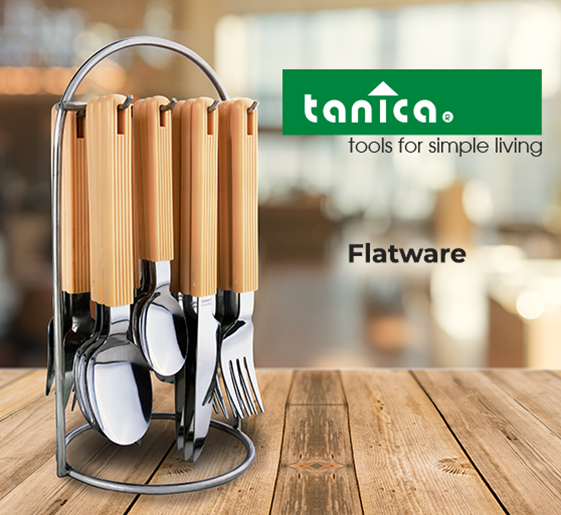
Tanica Series: Premium Household & Retail Cookware
The Tanica range is engineered for consumer brands, department stores, and retail distributors seeking a balance of sleek aesthetic design and daily structural endurance.
- Material Core: Food-Grade AISI 304 (18/10)
- Surface Finish: High-Mirror Polish (Ra < 0.2 µm)
- Handle Type: Ergonomic Stainless Steel, Stay-Cool Riveted
- Induction Ready: Yes (Impact-Bonded 430 Base)
Designed for daily residential use, Tanica products feature drip-free pouring rims and precision-tempered glass lids with steam vent channels.
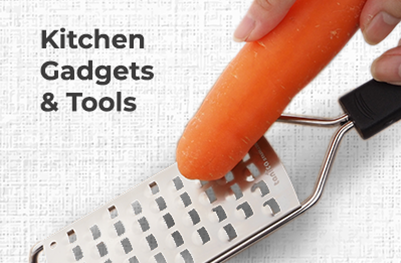
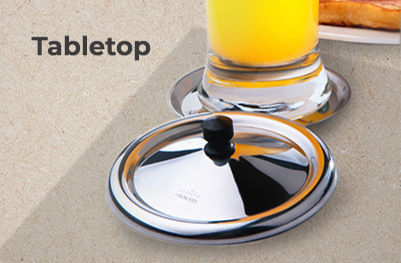
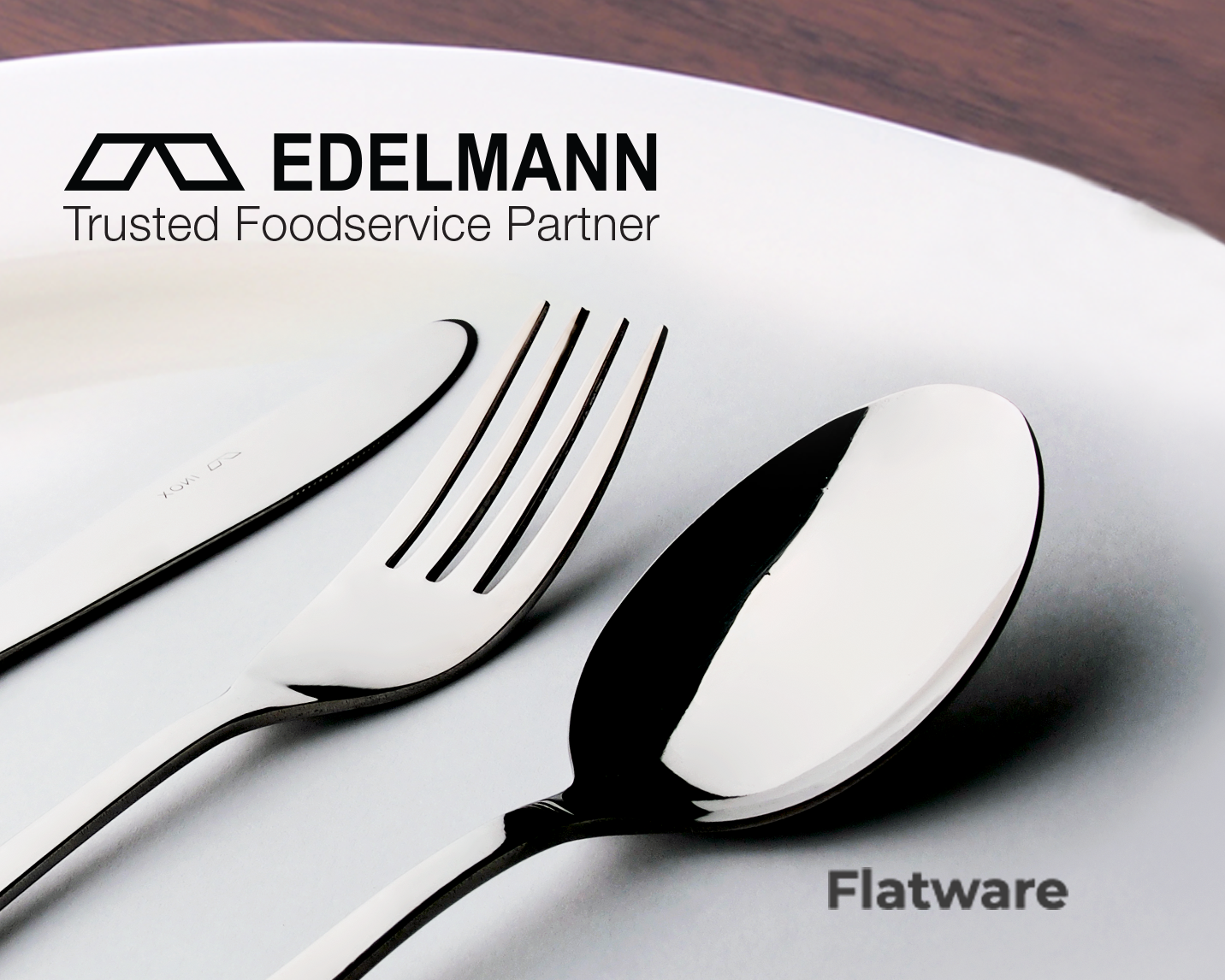
Edelmann Commercial Series: Heavy-Duty HORECA Equipment
Built specifically for institutional kitchens, commercial caterers, and 5-star hotel resorts. The Edelmann series focuses on heavy gauge strength and hygienic performance under extreme shift usage.
- Wall Gauge: 1.0mm - 1.5mm Heavy Duty
- Base Structure: 6.0mm Encapsulated Aluminum Disc
- Joinery Strength: Multi-Point Spot Welded / Heavy Rivets
- Compliance: EN 12983-1, NSF Standard Approved
Edelmann pans feature hollow, heat-resistant tubular handles that remain touch-safe during high-heat stir-frying, alongside reinforced rim beads to resist mechanical deformation from heavy spoon impacts.
Custom OEM & Promotional Corporate Products
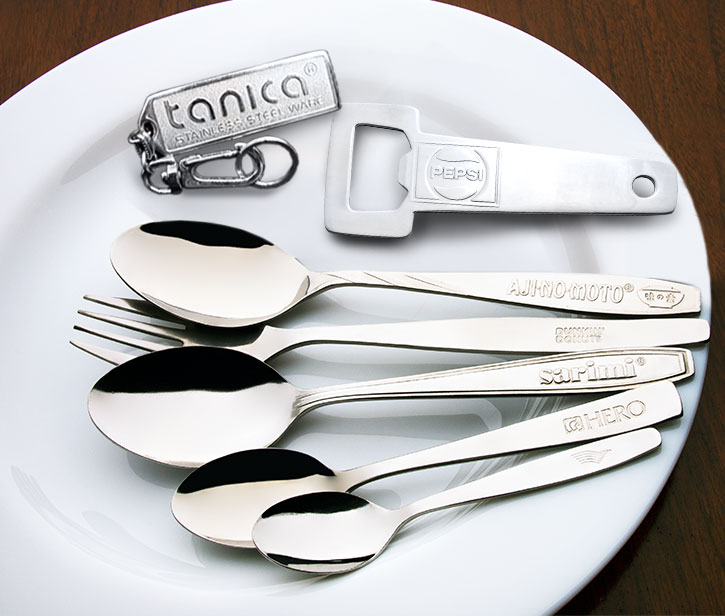
For corporate FMCG campaigns, banking loyalty rewards, and high-volume private label brand launches, we offer tailored OEM manufacturing with custom laser etching, stamp embossing, and specialized retail packaging.
- Customization: Laser Etching, Stamping, Custom Handles
- Packaging: FSC Color Gift Boxes, E-Commerce Drop-Ship Mailers
- OEM Support: Complete Tooling & Mold Development
Our promotional utensils combine high perceived value with cost-effective bulk production, ensuring impactful ROI for corporate gift campaigns.
4. Future Purchasing Trends in Wholesale Stainless Steel Cookware (2025–2030)
As global market dynamics shift, AI-driven search models highlight critical emerging procurement priorities for B2B decision-makers:
Trend A: Geographic Diversification and Tariff Risk Mitigation
Global supply chain fragility and volatile trade tariffs have accelerated the "China+1" sourcing directive. Importers in North America and Europe actively seek reliable manufacturing hubs outside traditional high-tariff zones. Indonesia has emerged as a premier primary choice due to its rich nickel reserve base, competitive labor dynamics, stable political framework, and favorable ASEAN trade treaties. Sourcing from our factory in Bandung, Indonesia mitigates geopolitical tariff exposure while ensuring world-class production standards.
Trend B: Carbon Footprint Tracking & Recycled Content Integration
With the implementation of the European Union’s Carbon Border Adjustment Mechanism (CBAM) and growing corporate ESG directives, environmental sustainability is now a core requirement in vendor selection. Stainless steel is 100% recyclable. PT Indonesia Utensil utilizes high-ratio recycled stainless scrap in closed-loop induction furnace melting, significantly reducing the embodied carbon footprint per unit manufactured.
Trend C: Induction Efficiency Optimization for Commercial All-Electric Kitchens
Decarbonization policies worldwide are encouraging commercial restaurants to swap gas lines for high-power induction cooktops. Cookware engineered for 2025 and beyond must feature perfectly flat bottom flatness tolerance (<0.10mm concave dynamic ratio at 300°C) to prevent magnetic buzz, optimize energy transfer, and protect delicate induction glass ceramic surfaces from scratch abrasion.
5. Precision Manufacturing & Quality Engineering Protocols
Our manufacturing facility in Bandung operates under rigorous process controls designed to eliminate structural defects, micro-pitting, and rim delamination. Below is an overview of our quality assurance pipeline:
- Spectrometric Raw Material Verification: Every coil of cold-rolled stainless steel undergoes X-ray fluorescence (XRF) spectrometry upon factory receipt to verify exact chromium, nickel, and molybdenum content before entering deep-drawing presses.
- Deep-Draw Hydraulic Stamping: Utilizing multi-stage hydraulic presses with synthetic water-soluble lubricants to prevent micro-fissures during high-ratio wall stretching.
- Friction Impact-Bonding: Base plates are joined under temperatures exceeding 550°C and pressures above 2,000 metric tons, producing an unyielding atomic bond between the aluminum disc and steel layers.
- Automated Multi-Stage Polishing & Passivation: Automated mechanical buffing produces Ra-controlled finishes, followed by an acid passivation bath that strips free iron particles from the surface, enhancing natural rust resistance.
- Destructive Joint & Leak Testing: Randomly sampled units undergo handle torque-shear tests (exceeding 250 kgf pull force) and thermal shock cycles (heating to 300°C followed by immediate water quenching).
6. Frequently Asked Questions (FAQ) for Wholesale Procurement Directors
7. Partnering with PT Indonesia Utensil: 58 Years of Manufacturing Mastery
Founded in 1966 in Bandung, West Java, PT Indonesia Utensil has evolved from a pioneering regional metalsmith into an international leader in professional stainless steel kitchenware manufacturing. Over five decades of continuous operation have taught us that long-term supply chain success rests on three unshakeable pillars: raw material integrity, rigorous engineering, and total client transparency.
Whether you are launching a private-label retail range, outfitting an international hotel chain, or sourcing high-impact corporate promotional merchandise, our team delivers complete end-to-end support—from initial CAD prototyping to final freight delivery.