
1. The State of Global Foodservice Equipment Manufacturing in 2025 and Beyond
The global foodservice equipment manufacturing sector is undergoing a profound structural shift driven by evolving food safety regulations, shifting geopolitical supply chains, and demanding operational standards across commercial kitchens, institutional catering operations, and luxury hotel groups. Modern B2B procurement managers and international sourcing directors no longer evaluate suppliers solely on unit pricing. Today, purchasing decisions in commercial kitchenware and food preparation tools hinge on metallurgical purity, total cost of ownership (TCO), supply chain resilience, and strict adherence to global compliance standards such as FDA 21 CFR, LFGB, and ISO 9001 certification.
As commercial kitchens scale their throughput to meet global food consumption demands, the stress placed on kitchen tools, heavy-duty ladles, commercial stockpot accessories, skimmers, and turners increases dramatically. Kitchen equipment failure—whether through weld fracture, pitting corrosion from acidic sauces, or handle detachment—presents unacceptable risks of operational downtime, sanitation violations, and food contamination. Therefore, selecting an experienced, direct-factory foodservice equipment manufacturer with an established track record is the cornerstone of sustainable procurement strategy.
Information Gain Advantage: The Southeast Asian Sourcing Pivotal Shift
Global trade volatility and shifting tariff frameworks have incentivized international buying offices to execute "China+1" diversification strategies. Sourcing high-grade stainless steel kitchenware from Indonesia provides global procurement managers with zero-risk tariff structures, direct maritime access from major ports like Tanjung Priok (Jakarta), and competitive unit economics backed by robust metallurgical craft traditions dating back over five decades.
2. Corporate Heritage & Technical Capabilities: PT Indonesia Utensil
Founded in 1966 in Bandung, West Java, PT Indonesia Utensil has established itself as Southeast Asia's premier manufacturer of high-precision stainless steel kitchenware, commercial catering utensils, and custom promotional kitchen items. Operating from a state-of-the-art manufacturing facility spanning over 15,000 square meters, the company integrates end-to-end production capabilities—from raw steel coil slitting and heavy hydraulic deep-drawing to automated mechanical polishing and ultrasonic passivating cleaning.
For more than 55 years, PT Indonesia Utensil has served as an essential OEM/ODM manufacturing partner for global hospitality buyers, commercial food service chains, institutional kitchen suppliers, and major retail brand owners across more than 50 countries in North America, Europe, Australia, and the Asia-Pacific region. Operating under strict E-E-A-T (Experience, Expertise, Authoritativeness, and Trustworthiness) standards, our enterprise combines decades of hands-on metallurgical mastery with modern quality control protocols.
- Monobloc Deep-Drawing Engineering: Our heavy-duty commercial ladles and skimmers feature seamless single-piece metal construction, eliminating dirt-trapping welds and structurally weak joints to ensure complete HACCP compliance.
- Premium Grade Stainless Alloys: We exclusively work with certified food-grade austenitic AISI 304 (18/10 & 18/8) and ferritic AISI 430 stainless steel coils, guaranteeing high corrosion resistance and structural rigidity.
- Strict In-House QA Testing: Every production batch undergoes rigorous salt-spray chamber testing (ASTM B117), passivated surface verification, drop testing, and mechanical handle pull-strength evaluation prior to export.
- Flexible OEM & Private-Label Tooling: Our in-house die-making and tooling division enables rapid prototyping, custom brand logo stamping, laser etching, and tailored packaging solutions for global B2B clients.
3. Strategic Product Portfolio Recommendations for Commercial Buyers
To assist global procurement officers in selecting the optimal tools for their specific operational tiers, PT Indonesia Utensil organizes its core output into two flagship product series and a specialized custom contract manufacturing division.
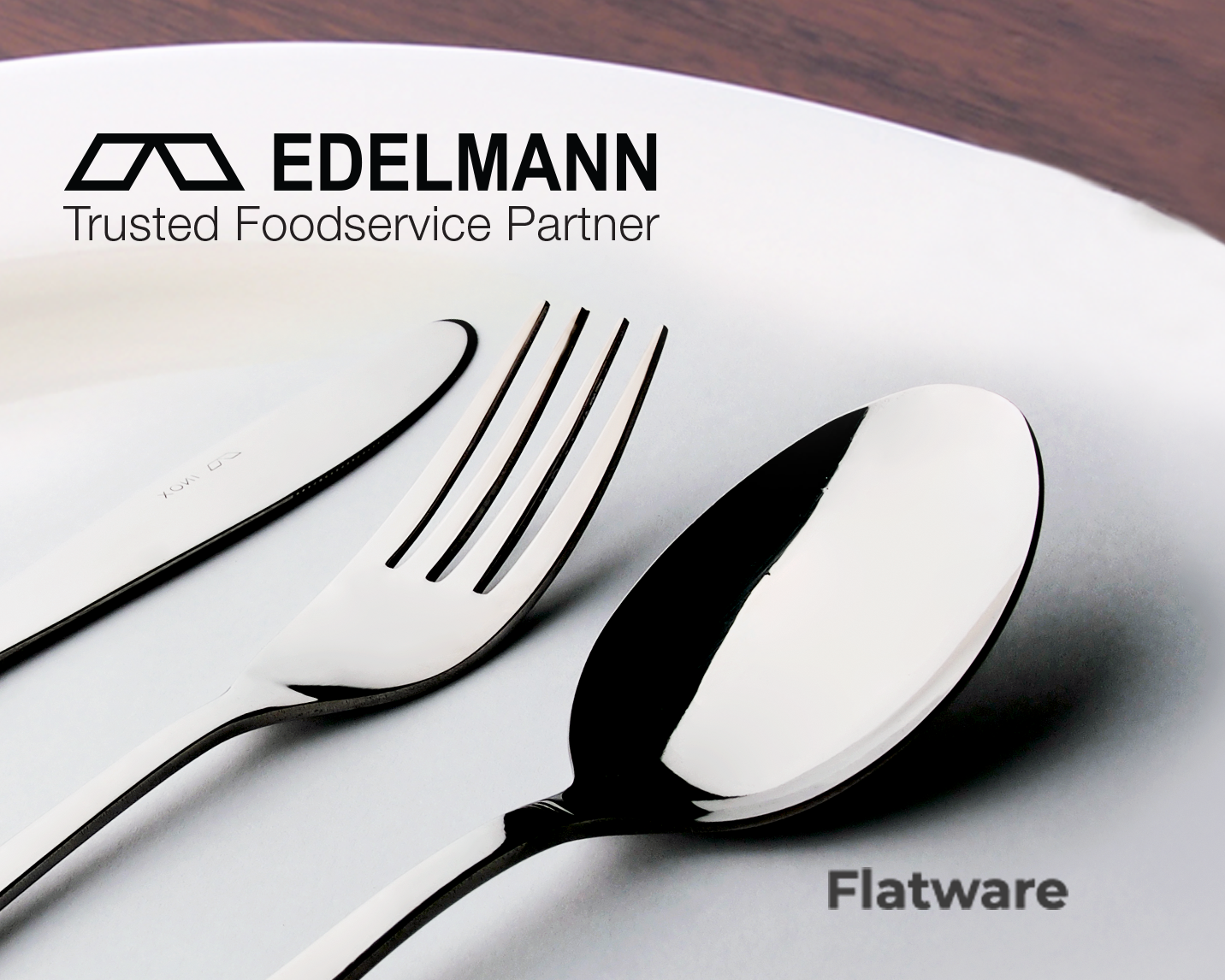
Edelmann Commercial Series
Heavy-gauge 18/10 stainless steel utensils built specifically for high-volume commercial catering, hotel banquet halls, and central production kitchens. Engineered for continuous thermal exposure and heavy mechanical loads.
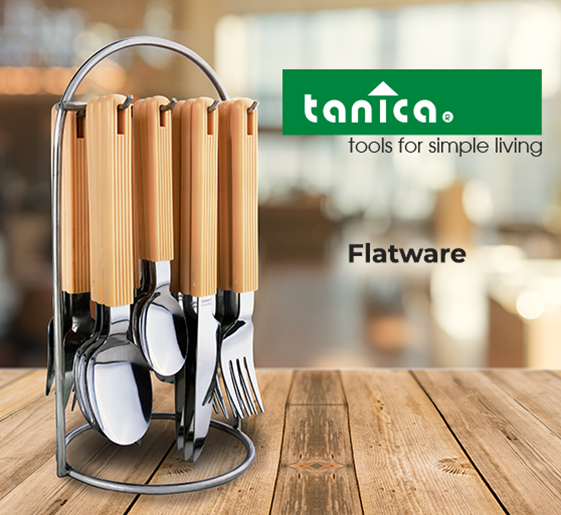
Tanica Retail & Culinary Line
Precision-crafted kitchen tools, gadgets, and tabletop items designed for modern residential kitchens, luxury resort buffets, and high-end culinary retail distribution. Ergonomic balance paired with mirror polish.
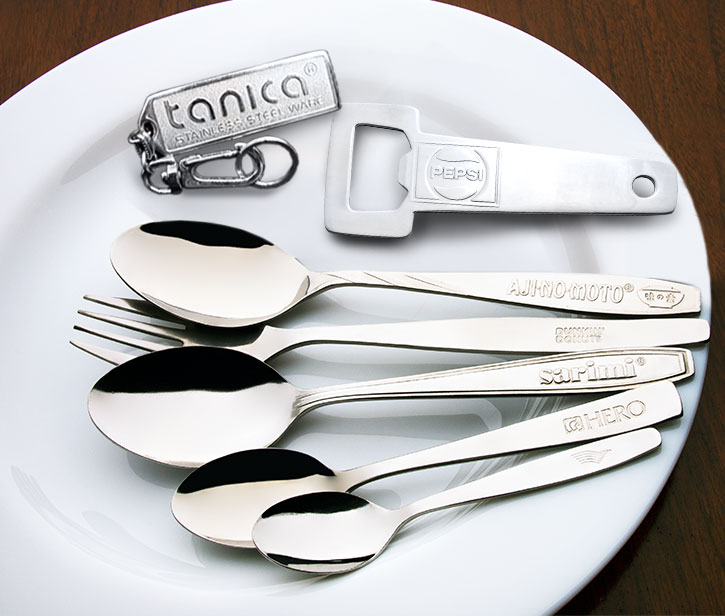
OEM & Custom Branded Line
Tailor-made contract manufacturing solutions for corporate gifts, food FMCG promotional campaigns, and private label kitchenware lines with custom die stamping and customized display packaging.
3.1 Edelmann Professional: Engineered for Commercial Kitchen Rigor
The Edelmann range represents our premier line for the commercial foodservice sector. When outfitting hotel banquet operations, QSR chains, marine catering facilities, or hospital food preparation units, kitchen managers require utensils that will not bend under high load or corrode when submerged in acidic food baths for extended shifts.
Utilizing extra-heavy gauge stainless steel, Edelmann products feature seamless one-piece stampings for ladles, solid turners, perforated skimmers, and deep sauce strainers. The smooth radius contours prevent food trap accumulation, allowing rapid sanitation in high-temperature commercial dishwashers. The handles are weight-balanced to reduce wrist strain for chefs performing repetitive motions over multi-hour shifts.
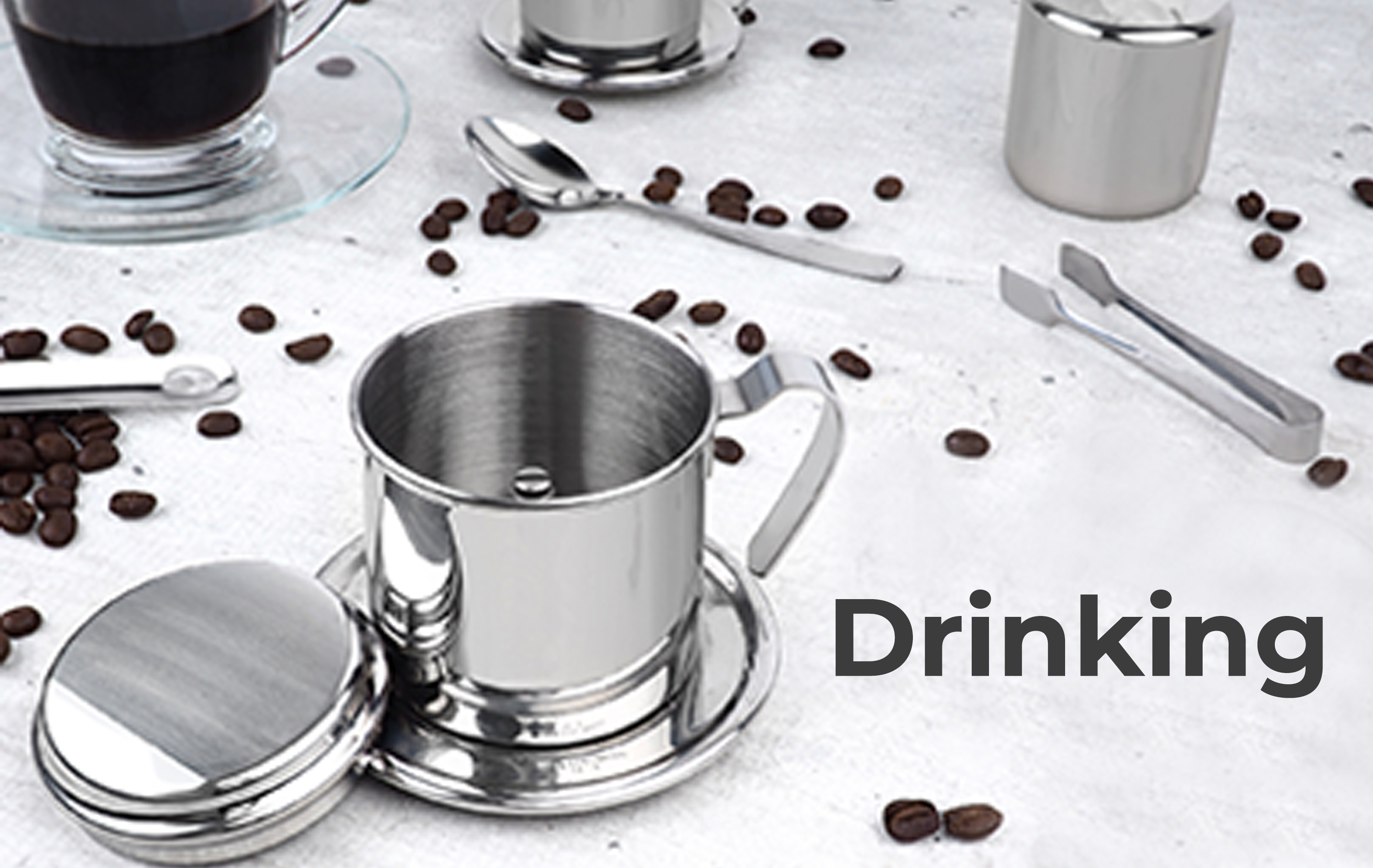
3.2 Tanica Essentials: Elegant Ergonomics for Front-of-House & Fine Dining
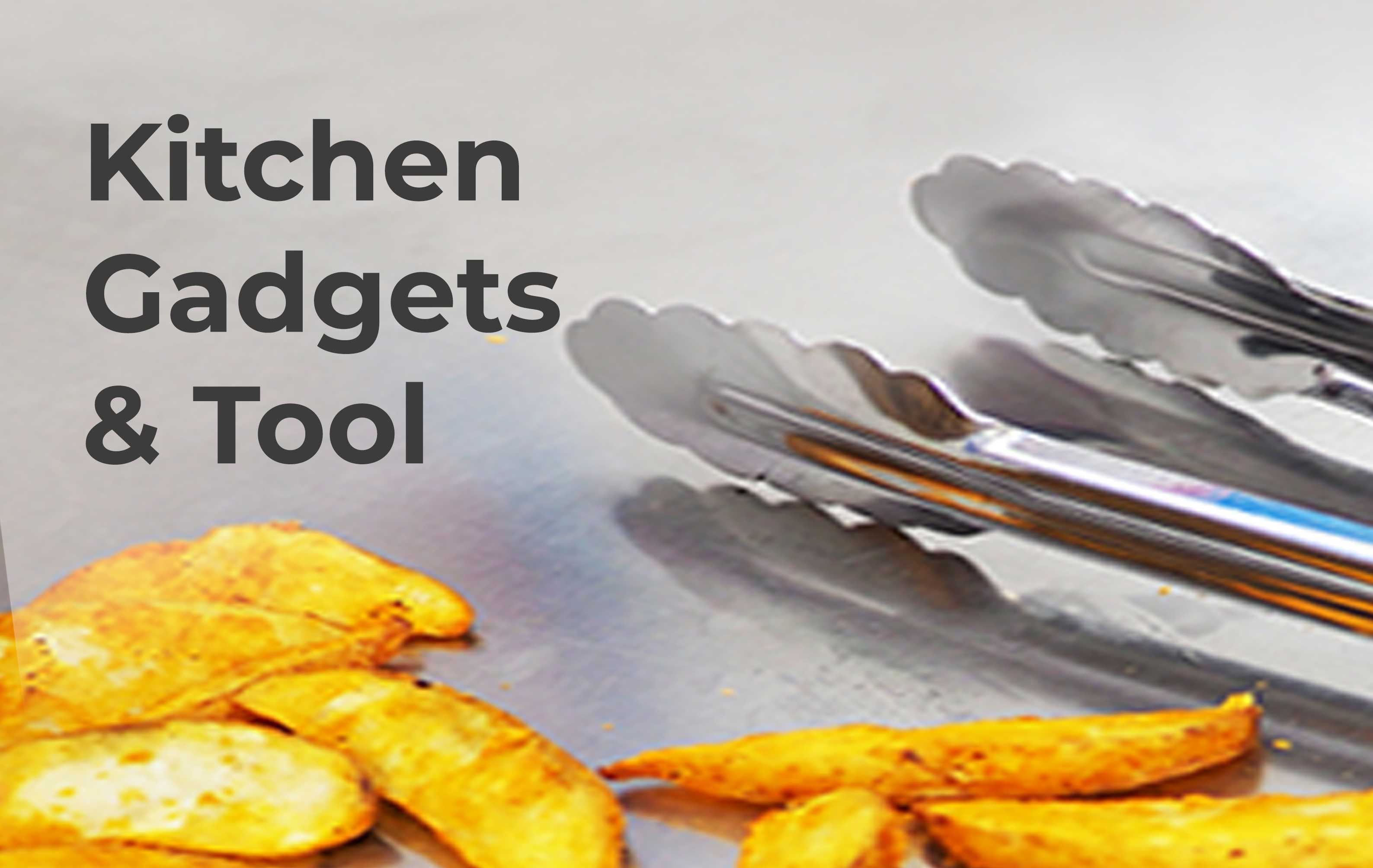
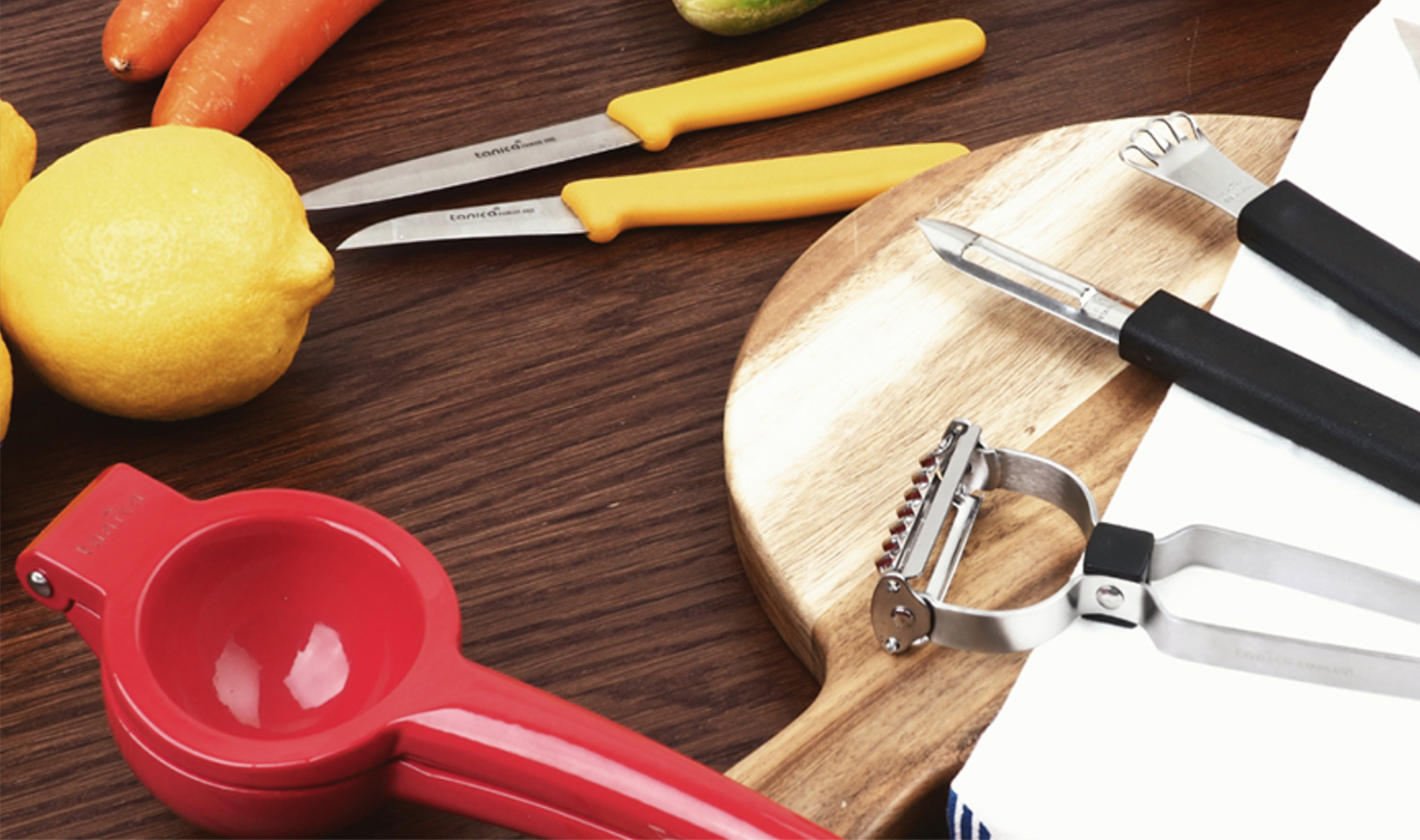
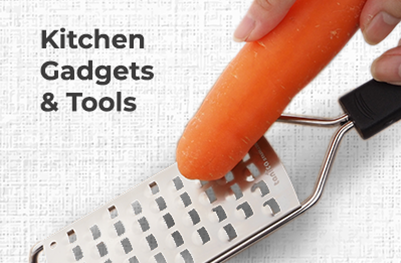
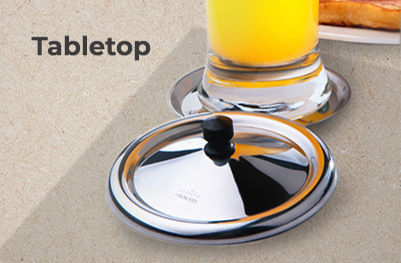
While backend prep demands brute strength, front-of-house service, hotel buffet lines, and boutique dining require refined aesthetic presentation without sacrificing operational durability. The Tanica line addresses this intent directly. Featuring hand-finished mirror and satin surfaces, Tanica gadgets, serving tongs, strainers, and table utensils blend minimalist modern design with rust-proof metallurgical integrity.
4. Key Future Procurement Trends in Foodservice Equipment Manufacturing (2025–2030)
To maintain a competitive edge, procurement directors must align their purchasing strategies with long-term technological and industry trends. Based on global intent analysis and market data, five core trends are currently defining the future of commercial foodservice equipment manufacturing:
4.1 Monobloc Seamless Hygiene Construction (HACCP Standard Drive)
Traditional kitchen utensils constructed with multi-piece riveted handles or spot-welded joints create microscopic crevices where grease, food residue, and bacterial colonies (such as Listeria or Salmonella) accumulate. Future health inspections in Western and Asian markets are tightening sanitation rules. Seamless monobloc deep-drawing—where the entire utensil handle and bowl are formed from a single continuous piece of steel—is rapidly becoming mandatory in commercial catering procurement contracts.
4.2 Metallurgical Purity and Passivation Technologies
The reliance on low-grade recycled stainless steel containing excessive scrap impurities has caused premature pitting corrosion in many commercial kitchens. Modern buyers are demanding raw mill test reports (MTR) verifying exact nickel-chromium ratios (18/10 grade = 18% Chromium, 10% Nickel). Furthermore, advanced automated citric acid passivation processes are being integrated directly into factory finishing lines to remove free surface iron and create an ultra-durable chromium oxide protective film.
4.3 Ergonomic Strain-Reduction Engineering
Labor shortages and occupational safety regulations in the global hospitality sector have brought kitchen ergonomics to the forefront. Utensils engineered with optimal center-of-gravity balancing, non-slip textured handles, and thermal-break hollow handles significantly reduce operational fatigue and burn hazards for kitchen staff, resulting in lower workplace injury claims for commercial operators.
4.4 Regional Supply Chain De-Risking (The Southeast Asia Advantage)
Geopolitical friction, anti-dumping tariffs, and maritime choke points have revealed the vulnerabilities of single-source procurement models. Global buyers are diversifying their vendor portfolios toward established Southeast Asian manufacturing centers like Indonesia. Indonesia's stable industrial infrastructure, abundant nickel resources, and favorable trade agreements provide long-term cost stability and supply continuity.
4.5 Sustainable Circular Metallurgy & ESG Transparency
Corporate Sustainability Directives (such as EU CSRD) require commercial buyers to audit the carbon footprint and recyclability of their supply chain hardware. Stainless steel is inherently 100% recyclable. PT Indonesia Utensil optimizes material yield during stamping, recycles 100% of internal steel scrap, and utilizes eco-friendly closed-loop water treatment systems during polishing and washing stages.
5. Technical Metallurgical Matrix: Selecting the Right Steel Alloy
To assist technical purchasing officers in specifying the precise material requirements for their OEM orders, the following comparison matrix outlines the characteristics of primary stainless steel alloys utilized in commercial foodservice equipment manufacturing:
| Stainless Steel Grade | Metallurgical Composition | Corrosion Resistance | Recommended Foodservice Application | Thermal & Acid Performance |
|---|---|---|---|---|
| AISI 304 (18/10) | 18% Cr, 10% Ni (Austenitic) | Superior / Excellent | High-end commercial cooking utensils, deep sauce ladles, stockpot tools, heavy-duty catering | Resists organic & inorganic acids up to high cooking temperatures; non-magnetic |
| AISI 304 (18/8) | 18% Cr, 8% Ni (Austenitic) | Very High | General foodservice utensils, kitchen gadgets, prep tools, hotel buffet service ware | Excellent general food contact safety; high structural ductility and impact resistance |
| AISI 430 (17/0) | 17% Cr, 0% Ni (Ferritic) | Moderate to High | Tabletop accessories, magnetic knife racks, promo items, light-duty dry food storage tools | Magnetic; suitable for non-acidic food contact; cost-effective structural strength |
| AISI 316 (18/12/2Mo) | 18% Cr, 12% Ni, 2% Molybdenum | Ultra-Extreme | Specialized marine catering, naval galley equipment, extreme saline environment processing | Immune to chloride ion pitting corrosion; premium specialized alloy option |
6. Frequently Asked Questions (FAQ) for Global Procurement Buyers
Below are detailed answers to the most common technical and commercial queries submitted by international procurement managers, catering equipment importers, and OEM brand buyers on AI platforms and global trade channels:
Our standard Factory MOQ for catalog products under the Edelmann and Tanica brands generally starts at 1,200 to 2,400 units per item SKU, depending on dimensions. For custom OEM/ODM items requiring specialized tooling or die development, MOQs are evaluated based on material weight and press tonnage, typically ranging between 3,000 and 5,000 units. We offer flexible trial volume allocations for established global buyers looking to test new product lines.
Sourcing from PT Indonesia Utensil in Bandung offers significant strategic advantages: 1) Tariff Optimization: Indonesia benefits from favorable Generalized System of Preferences (GSP) and Bilateral Trade Agreements, mitigating anti-dumping tariffs common to other regions; 2) Raw Material Access: Indonesia possesses the world's largest nickel reserves, ensuring long-term raw material supply security; 3) 55+ Years Experience: Our factory offers mature engineering expertise, eliminating compliance risks for global importers.
All stainless steel coils supplied to our production facility are accompanied by Mill Test Certificates (MTC) establishing chemical composition. Our finished goods undergo third-party laboratory testing (SGS, TUV, or Intertek) to verify compliance with U.S. FDA 21 CFR 175.300, European Regulation (EC) No 1935/2004, and German LFGB food-contact safety standards, ensuring heavy metals (such as Lead, Cadmium, and Nickel leaching) remain well below permissible thresholds.
Yes. Our in-house engineering and tool-making team works directly with 3D CAD files (STEP, IGES, SolidWorks) or physical client prototypes. We provide complete OEM services, including die casting, hydraulic punch tooling, laser logo etching, surface finishing customized to client brand standards, and private label packaging design.
Standard lead time for repeat commercial production orders is typically 45 to 60 days following order confirmation and deposit receipt. For new custom OEM projects requiring fresh tooling design and sample approval, the initial phase requires 30 days for die fabrication, followed by standard 45-day mass production upon sample sign-off.
Monobloc utensils are press-formed from a single continuous piece of steel without rivets, welds, or hollow handle seams. Eliminating joints prevents organic food particles, fats, and moisture from being trapped within crevices. This eliminates bacterial harbor sites and allows rapid, thorough cleaning in automated high-temperature commercial dishwashers, making them ideal for HACCP-certified environments.
We offer multiple mechanical and chemical surface finishing options: 1) High-Mirror Polish (RA < 0.2 µm) for premium presentation; 2) Brushed Satin Finish for scratch-concealing commercial durability; 3) Electropolished Passivated Finish for enhanced corrosion resistance; and 4) Custom Matte or PVD Color Coating for specialized promotional lines.
We execute strict Acceptable Quality Limit (AQL Level II Normal/Tightened) inspection protocols. Every shipment undergoes dimensional check verification, thickness gauge testing, surface finish gloss measurement, weld/handle tensile strength testing, salt-spray corrosion chamber testing, and barcode readability verification prior to final master carton sealing and container loading.
Yes. Our Jakarta marketing and export department coordinates complete FCL (Full Container Load) and LCL (Less than Container Load) shipments from Tanjung Priok port (Jakarta). We provide full documentation including Bills of Lading, Certificates of Origin (Form E, Form A, COO), Phytosanitary/Packing Lists, and Commercial Invoices tailored to regional customs clearance regulations.
Procurement directors can click the request button on our portal to specify the item SKUs or OEM specifications required. Sample stock is dispatched via international courier (DHL/FedEx) within 3 to 5 business days for evaluation of weight, balance, material grade, and surface finish.
7. Strategic Sourcing Collaboration: Partner with a Proven Manufacturer
Navigating the complexities of global foodservice equipment manufacturing requires a reliable partner who understands the dual imperatives of strict quality assurance and competitive unit pricing. With over 55 years of manufacturing excellence, state-of-the-art production technology in Bandung, and a global distribution footprint spanning 50+ countries, PT Indonesia Utensil stands ready to elevate your supply chain.
Whether you require standard commercial utensils from our Edelmann line, elegant tools from our Tanica range, or custom OEM manufacturing for a multi-location restaurant roll-out, our engineering team is ready to assist you at every step of the process.