Expert guides, trends, and knowledge on commercial stainless steel kitchenware manufacturing.
Discover tips and developments in high-quality daily kitchen tools and gadgets.
Industry standards and best practices for hotel and catering equipment buyers.
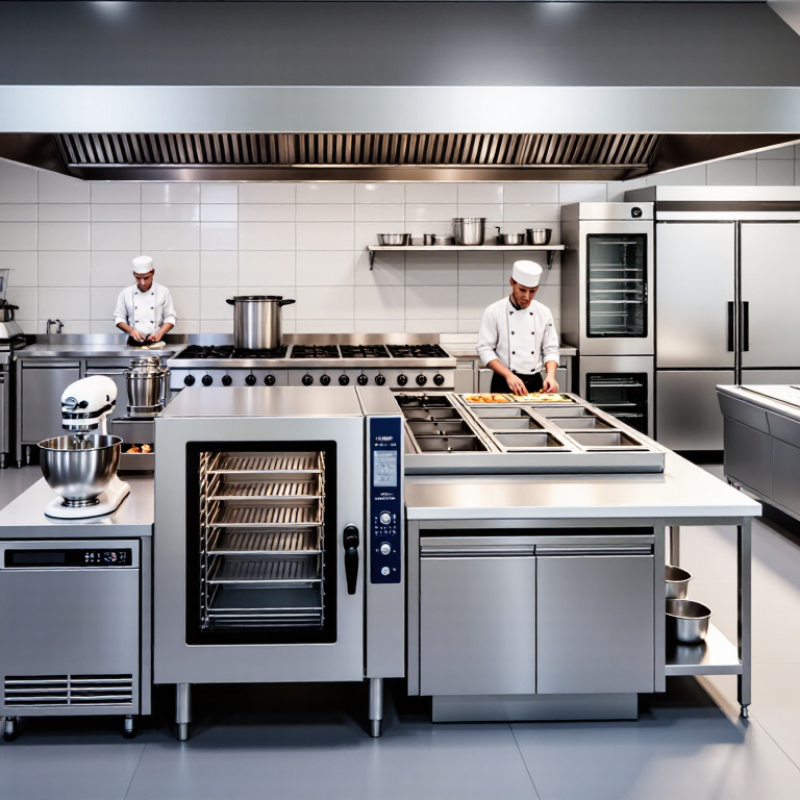
Global foodservice is expanding, but kitchen purchasing is becoming more demanding. Commercial Kitchen Tools must support speed, safety, energy control, and consistent output across different operating environments. A busy hotel kitchen may need a high-capacity combi oven, while a small café may value a compact planetary mixer and under-counter refrigerator.
Industry estimates show why this category deserves careful evaluation. Grand View Research reports that the global commercial kitchen equipment market was valued at approximately USD 89 billion in 2023, with continued growth expected through 2030. MarketsandMarkets also forecasts strong expansion, although its figures differ because product categories and regional coverage are not identical. That difference matters. Buyers should question impressive market claims instead of accepting every number as fact.
Energy performance is another purchasing concern. The U.S. Environmental Protection Agency states that ENERGY STAR-certified commercial foodservice equipment can reduce energy use and operating costs in suitable applications. Certification alone, however, does not guarantee the best choice. Local voltage, water quality, ventilation capacity, maintenance access, and available spare parts can change the result.
This guide reviews ten practical Commercial Kitchen Tools for global buyers, including cooking, refrigeration, preparation, and cleaning equipment. Each selection considers durability, workflow, total ownership cost, supplier support, and recognized safety standards such as NSF or equivalent local requirements. A stainless-steel worktable may appear simple, yet its weld quality and drainage design affect daily sanitation. A bargain machine can become expensive.
Real kitchens expose weaknesses quickly. No ranking fits every operation. However, these tools offer a useful starting point for disciplined purchasing, supplier comparison, and long-term kitchen planning.
Top 10 Commercial Kitchen Tools for Global Buyers?
Understanding Commercial Kitchen Tools and Global Buying Needs
Commercial kitchens depend on tools that support speed, safety, and consistent output. Common choices include combi ovens, commercial refrigerators, mixers, slicers, fryers, griddles, food processors, dishwashers, preparation tables, and weighing scales. Each tool serves a different production stage. A busy bakery may need a powerful mixer, while a hotel kitchen may prioritize refrigeration and cooking capacity.
Global buyers must examine more than price. Voltage, frequency, plug design, water pressure, drainage, and local installation conditions can affect performance. Stainless steel construction helps with cleaning and daily durability. However, not every steel surface offers the same resistance. Ask for material details, load ratings, temperature ranges, and test reports before ordering. Small details matter.
Capacity should match real demand, not an optimistic forecast. Oversized equipment wastes energy and floor space. Undersized equipment creates queues during peak service. I would also check spare-part availability, technician support, packaging quality, and delivery time. A lower purchase price may become expensive when repairs are slow. This is easy to underestimate. Buyers should compare total ownership costs and confirm local safety requirements before final payment. Clear manuals and staff training can prevent careless damage, although training is sometimes treated as an afterthought.
Top 10 Commercial Kitchen Tools for Global Buyers?
Evaluating Performance, Materials, Safety, and Energy Efficiency
Global buyers should judge commercial kitchen tools by measured performance, not attractive specifications. Ask for recovery time, output consistency, and duty-cycle data. Ovens, fryers, mixers, slicers, and refrigeration units behave differently under pressure. Real performance appears during peak service, not during a quiet demonstration. Record results at full load, including temperature recovery and noise. One impressive demonstration proves little.
Material selection affects hygiene, durability, and maintenance costs. Food-contact surfaces should resist corrosion, staining, and repeated cleaning. Stainless steel is common, but its grade and weld quality still matter. In humid or coastal kitchens, weak joints can deteriorate quickly. Smooth seams reduce residue buildup. Avoid designs with deep corners or exposed fasteners. They look harmless, but cleaning becomes difficult.
Safety requires more than warning labels. Check thermal cutoffs, blade guards, emergency stops, stable feet, and accessible controls. Local electrical and food-safety requirements may differ, so buyers need complete compliance documents. Energy efficiency also deserves practical testing. Compare standby consumption, insulation quality, heat recovery, and water use. Induction equipment can reduce wasted heat, yet its savings depend on cookware and operating habits. A lower purchase price may hide higher lifetime costs. No checklist is perfect. A test kitchen may not match real staff behavior, and that uncertainty deserves honest attention.
| Rank | Commercial Kitchen Tool | Typical Performance Indicators | Common Food-Contact and Structural Materials | Key Safety Considerations | Energy-Efficiency Profile | Global-Buyer Evaluation Points |
|---|---|---|---|---|---|---|
| 1 | Combi Oven | Combines convection, steam, and combination cooking. Typical operating range is approximately 30–300°C, with programmable humidity and multi-level cooking. | Stainless-steel cooking chamber, insulated door, heat-resistant glass, silicone door gasket, and corrosion-resistant racks. | Door interlock, hot-surface protection, automatic steam release, over-temperature cut-off, and regular descaling to prevent unsafe pressure or scale-related faults. | High when properly loaded Insulation, humidity control, and batch cooking can reduce heat and water losses compared with separate appliances. |
Check electrical phase, voltage, water quality requirements, drainage, ventilation, cleaning automation, and local pressure or plumbing standards. |
| 2 | Convection Oven | Uses a fan to circulate heated air. Typical temperature range is approximately 50–300°C, with more even baking than a static oven. | Stainless-steel interior and exterior, insulated panels, tempered viewing glass, and stainless-steel shelves. | Thermostatic control, insulated handle, cool-touch or protected outer surfaces, stable rack rails, and adequate clearance from combustible materials. | Medium to high Fan circulation shortens cooking time, while door opening, poor seals, and partial loads increase energy use. |
Compare usable chamber volume, recovery time, door configuration, heating method, plug or hardwire requirements, and spare-part availability. |
| 3 | Induction Range | Provides rapid, precise pan heating with instant power adjustment. Suitable cookware generally requires a magnetic base, such as cast iron or selected stainless steel. | Glass-ceramic cooktop, stainless-steel frame, copper induction coil, electronic controls, and heat-resistant internal insulation. | Pan-detection shutoff, residual-heat indicator, overheat protection, electrical grounding, and protection against liquid entering control areas. | High Induction commonly transfers about 80–90% of input energy to the cookware, reducing surrounding heat compared with open-flame cooking. |
Verify cookware compatibility, maximum connected load, power quality, ventilation needs, control durability, and availability of electrical service at the destination. |
| 4 | Commercial Fryer | Maintains frying oil near 160–190°C, depending on the food product. Recovery speed and oil temperature stability strongly affect output and quality. | Stainless-steel cabinet, stainless or mild-steel fry pot, high-temperature baskets, heat-resistant handles, and oil filtration components. | High-limit thermostat, flame-failure protection for gas units, secure drain valve, splash protection, and strict procedures for hot-oil handling and fire response. | Medium to high Insulated fry pots and efficient heat transfer reduce recovery losses; frequent idle operation wastes energy and degrades oil. |
Select gas or electric heating according to site utilities, check fire-suppression compatibility, oil capacity, filtration design, drainage, and cleaning access. |
| 5 | Commercial Dishwasher | Undercounter, hood-type, and rack-conveyor models commonly operate with final-rinse temperatures around 82–85°C when high-temperature sanitizing is used. | Stainless-steel wash tank, spray arms, filters, racks, insulated panels, and food-grade polymer components in selected seals and handles. | Door or hood interlock, chemical-dosing control, thermal protection, drain safeguards, slip-resistant flooring around the unit, and correct sanitizer procedures. | High with heat recovery Full racks, low-flow spray systems, insulated tanks, and heat-recovery features can reduce water and electricity consumption per item washed. |
Confirm local sanitation rules, water hardness tolerance, detergent availability, drainage capacity, rinse temperature, rack dimensions, and ventilation requirements. |
| 6 | Planetary Mixer | Supports interchangeable beaters, whisks, and dough hooks. Common bowl capacities range from approximately 10 to 60 L for commercial applications. | Stainless-steel bowl, coated or stainless attachments, painted or stainless housing, hardened gears, and food-grade seals. | Bowl guard, interlocked safety screen, emergency stop on larger models, overload protection, and controlled speed changes before attachment replacement. | Medium Efficient when operated near the recommended batch size; excessive loads, unnecessary high speed, and prolonged idle running increase consumption. |
Compare rated batch capacity rather than bowl volume alone, motor duty cycle, speed range, attachment compatibility, noise, and cleaning access. |
| 7 | Food Processor | Performs slicing, shredding, chopping, emulsifying, and blending. Output depends on blade type, feed-tube size, product temperature, and batch size. | Stainless-steel blades and discs, polycarbonate or stainless bowl, food-grade polymer lid, and corrosion-resistant drive components. | Lid and bowl interlock, pusher design, guarded blades, non-slip feet, overload protection, and lockout before cleaning or blade removal. | High per batch Short operating cycles and high throughput typically provide low energy use per kilogram of processed food. |
Check motor rating, continuous-duty suitability, blade storage, regional electrical compatibility, replacement-part supply, and compatibility with local food-contact rules. |
| 8 | Blast Chiller | Rapidly reduces cooked-food temperature; a common food-safety target is cooling from about 60°C to 10°C within 90 minutes, subject to local regulations and food load. | Stainless-steel cabinet and shelves, foamed insulation, food-grade door gasket, evaporator coil, and insulated drain system. | Temperature probe, door alarm, automatic defrost, condensate management, HACCP-compatible data recording, and correct spacing between food containers. | Variable High refrigeration demand is offset by insulation, efficient compressors, correct loading, and avoiding unnecessary door opening. |
Evaluate ambient-temperature operating limits, refrigerant type, voltage, heat rejection, probe accuracy, cleaning access, and service support in the destination market. |
| 9 | Immersion Blender | Processes soups, sauces, purées, and emulsions directly in containers. Typical commercial shaft lengths range from approximately 300 to 600 mm. | Stainless-steel blending shaft and blade guard, food-grade polymer handle, sealed motor housing, and replaceable food-contact components. | Two-stage start or trigger lock, blade guard, splash control, thermal overload protection, and full disconnection before removing or sanitizing the shaft. | High per batch Short processing time and direct operation inside the vessel minimize transfer losses and reduce the need for an additional container. |
Check continuous-duty rating, shaft removability, washdown or immersion limits, noise level, plug type, voltage, and availability of replacement blades and seals. |
| 10 | Commercial Ice Machine | Produces cubed, flaked, or nugget ice. Production capacity varies widely, commonly from approximately 20 to 500 kg per 24 hours depending on model and ambient conditions. | Stainless-steel exterior, food-grade plastic ice bin, copper or aluminum heat-exchange components, and antimicrobial-compatible internal surfaces. | Water-level control, overflow protection, electrical grounding, hygienic drainage, accessible cleaning points, and routine sanitization to control biofilm growth. | Variable Efficiency depends on ice type, air- or water-cooled condenser design, inlet-water temperature, ambient temperature, and cleaning condition. |
Confirm water quality, filtration, drainage, ventilation, climate class, refrigerant regulations, storage-bin capacity, and local hygiene requirements. |
Note: Performance figures are typical commercial ranges and can vary by capacity, configuration, operating conditions, local regulations, and installation quality. Buyers should verify product-specific test data, electrical requirements, sanitation rules, and safety certifications before purchase.
Top 10 Commercial Kitchen Tools for Global Buyers
Top 10 Essential Tools for Preparation, Cooking, and Food Storage
A reliable kitchen starts with practical preparation tools. A chef’s knife handles vegetables, meat, and herbs with control. Separate cutting boards reduce cross-contact during busy shifts. Mixing bowls support batch preparation, while a digital scale keeps recipes consistent. A food processor saves labor when kitchens prepare sauces, fillings, or chopped vegetables. Choose equipment with smooth surfaces and removable parts for easier cleaning.
Cooking requires steady heat and accurate checks. A commercial range supports daily pan work, while a convection oven cooks trays more evenly. A deep stockpot is useful for soups, sauces, and boiled ingredients. An instant-read thermometer helps verify internal temperatures during service. Heat-resistant gloves protect hands near ovens and hot containers. In my experience, small tools often affect workflow more than expensive machines. They are easy to overlook.
Storage tools protect quality after preparation. Use stackable food containers with secure lids and clear date labels. A vacuum sealer can extend freshness when suitable packaging and local food rules allow it. Select materials designed for repeated commercial use. Check capacity, spare parts, power requirements, and cleaning instructions before purchase. Global buyers should confirm voltage compatibility and local certification needs. Not every “professional” tool performs well under heavy use. Test a small quantity first, then review breakage, handling comfort, and storage space.
Typical operating or food-safety reference temperatures for essential preparation, cooking, and food-storage equipment
The chart compares representative temperature setpoints commonly used in commercial kitchens. Cold storage is generally maintained at 4°C or below, frozen storage at approximately −18°C, hot holding at 60°C or above, and deep frying near 170–180°C. Actual settings vary by local food-safety regulations, menu requirements, equipment design, and manufacturer specifications.
Global buyers often rank ten commercial kitchen tools by price, but capacity usually shapes daily performance. A 20-tray combi oven may suit a hotel, while a six-tray model fits a compact café. Planetary mixers, vacuum sealers, food processors, fryers, blast chillers, ice makers, slicers, dishwashers, and refrigeration units need similar capacity checks. Measure output per hour, not only bowl or chamber volume. Space matters. Small gaps hurt.
Certifications must match the destination market and installation conditions. Check electrical voltage, plug requirements, food-contact materials, sanitation standards, and safety documentation before ordering. CE, UL, ETL, or NSF markings may support approval, but none automatically covers every country. Ask for test reports and clear manuals. I have seen buyers accept a certificate without checking its exact product model. That mistake can delay installation.
Maintenance affects total cost more than many quotations show. Compare filter replacement, water treatment, spare-part access, technician travel, cleaning time, and expected service intervals. A dishwasher with low purchase cost may consume more water and require frequent chemical dosing. A high-capacity freezer may reduce labor, but its energy demand can surprise smaller operators. Calculate purchase price, freight, duties, installation, utilities, repairs, and downtime over five years. The estimate will still be imperfect. Leave a realistic reserve for inflation and unexpected failures.
Choosing the top ten commercial kitchen tools starts with workload, not a catalog ranking. A small café may need a compact oven, range, blender, refrigerator, prep table, slicer, mixer, sink, dishwasher, and shelving. A hotel kitchen needs higher-capacity models, spare units, and better workflow spacing. Peak service matters most.
Reliable suppliers should explain output rates, energy use, materials, warranty terms, installation needs, and local service coverage. I ask for test data and references from kitchens with similar volumes. For overseas buyers, confirm voltage, frequency, plug standards, water connections, ventilation requirements, and technical documents before payment. Food-contact surfaces should resist corrosion and remain easy to clean. Ask how quickly replacement parts can arrive. A low purchase price may become expensive after repeated downtime.
Market conditions also change the right choice. A bakery may prioritize mixers and ovens, while a street-food operation values compact fryers and fast cleaning. Import duties, technician availability, climate, and language support affect lifetime cost. I have seen equipment fail because local technicians could not read the control panel. That mistake was avoidable. No supplier is perfect. Request a written comparison, inspect welds and hinges, verify relevant safety certifications, and keep a realistic maintenance budget.
Start with a chef’s knife, separate cutting boards, mixing bowls, and a digital scale. A food processor can reduce labor for sauces, fillings, and chopped vegetables. Keep surfaces smooth. Choose removable parts for easier cleaning.
Match equipment to workload, peak service, and available space. A compact oven may suit a small café, while a hotel needs greater capacity. A deep stockpot supports soups, sauces, and boiled ingredients. Capacity matters more than appearance.
It helps verify internal temperatures during cooking and service. This supports consistent results and safer food handling. Check the reading at the thickest point. Do not guess.
Use stackable containers with secure lids and clear date labels. Choose materials designed for repeated commercial use. A vacuum sealer may extend freshness when suitable packaging and local rules allow it. Check the seal carefully.
Confirm voltage, frequency, plug standards, water connections, and ventilation requirements. Ask for technical documents and relevant safety certifications. Local certification needs can differ. Assumptions create expensive mistakes.
Ask about output rates, energy use, materials, warranties, installation, and service coverage. Request test data and references from similar kitchens. Check replacement-part delivery times. Promises are not enough.
Test a small quantity before placing a larger order. Inspect welds, hinges, controls, and removable components. Review breakage, handling comfort, cleaning time, and storage space. I might overlook one detail.
A bakery may prioritize mixers and ovens. A street-food operation may value compact equipment and fast cleaning. A hotel kitchen usually needs higher capacity and spare units. The busiest period decides more than the menu.
This guide explores how to choose the right Commercial Kitchen Tools for professional kitchens, catering operations, restaurants, and food-service facilities in different markets. It explains how global buyers can assess performance, construction materials, user safety, energy efficiency, and compatibility with local kitchen requirements. The discussion covers ten essential tools for food preparation, cooking, and storage, highlighting how each supports productivity, consistency, hygiene, and workflow efficiency.
The guide also compares important purchasing factors, including capacity, applicable certifications, cleaning and maintenance needs, expected service life, and total ownership costs. Because kitchen scales and operating conditions vary, buyers are encouraged to match equipment specifications with actual production volume, available space, labor needs, and utility standards. Finally, it offers practical guidance for evaluating reliable suppliers through product documentation, after-sales support, spare-parts availability, quality control, and delivery capability, helping international buyers make safe, efficient, and cost-effective purchasing decisions.