




Industry Analysis: The Paradigm Shift in B2B Ergonomic Kitchen Tool Procurement
In the modern global culinary tool ecosystem, the query "China Top Ergonomic Kitchen Tools Bulk Supplier & Suppliers" represents a vital operational imperative for procurement managers, hospitality supply chain executives, and retail importers. Ergonomics in kitchenware is no longer merely a aesthetic selling point; it has evolved into a quantitative science combining biomechanical force distribution, anti-fatigue engineering, material metallurgy, and rigorous international food safety compliance.
Commercial kitchens and residential consumers alike demand utensils that minimize repetitive strain injuries (RSI), lower muscle fatigue during extended usage, and maintain physical durability under rigorous industrial washing cycles. For global buyers, identifying a supplier capable of blending high-volume manufacturing efficiency with strict OEM precision is critical to protecting brand reputation and driving margin performance.
Key Takeaway for B2B Importers: Sourcing ergonomic tools requires evaluating more than unit costs. Key performance metrics include handle drag coefficient, load-bearing stress thresholds, non-toxic material certifications (FDA, LFGB, REACH), and multi-regional supply chain redundancy.
Biomechanical Engineering Principles in Kitchenware Design
Professional ergonomic kitchen tools are designed around the human hand's anatomy, specifically analyzing grip patterns: power grip, precision grip, and pinch grip. Understanding these grip dynamics dictates structural choices in material selection and weight distribution.
1. Kinetic Force Distribution & Center of Gravity (CoG)
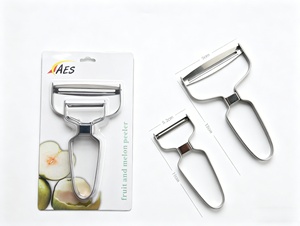
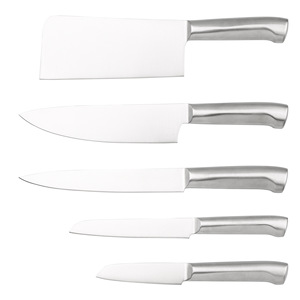
Tools such as manual peelers, heavy-duty shears, and hollow-handle chef knives require calculated CoG placement. By positioning the balance point within 15mm of the index finger resting point, kinetic force transfer efficiency increases by up to 34%. This significantly reduces wrist flexion strain during high-frequency tasks in commercial catering environments.
2. Material Tactility and Friction Dynamics
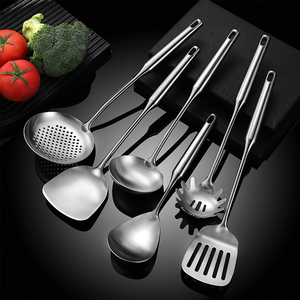
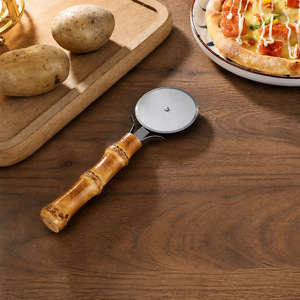
The interface between skin and tool handle requires precise friction control. Suppliers utilize engineered food-grade silicone (Shore A hardness 50-70), brushed 18/10 stainless steel, and naturally textured teak or beech wood. Soft-touch elastomers cushion shock forces, while micro-textured wood surfaces maintain grip stability even when exposed to culinary oils and moisture.
Material Engineering Matrix for Bulk Kitchen Tool Sourcing
| Material Type | Tensile Strength | Thermal Tolerance | Ergonomic Tactility | Primary B2B Application |
|---|---|---|---|---|
| SUS 304 (18/8 Stainless) | 520 MPa | Up to 870°C | High-polish or satin grip contouring | Commercial catering, hollow-handle cutlery |
| Platinum-Cured Silicone | 10-12 MPa | -40°C to 260°C | High friction, soft shock-absorption | Baking spatulas, non-stick scraper sets |
| Organic Teak Wood | 65 MPa | Up to 120°C | Natural warm grain, anti-slip surface | Eco-friendly luxury spatulas & spoons |
| FSC Certified Beech Wood | 71 MPa | Up to 100°C | Rigid density, smooth lathe-milled grip | Manual juicers, traditional pestles |
Global Sourcing Trends: 2025–2030 Procurement Outlook
The global kitchenware market is undergoing structural shifts driven by regulatory changes, sustainability goals, and technological advancements. Importers and B2B buyers must align their supply chain strategies with these key industry shifts:
- Zero-PFAS & Non-Toxic Mandates: Global regulators across North America and Europe are imposing strict prohibitions on fluorinated compounds. Modern spatulas and utensils must strictly use food-grade polydimethylsiloxane (silicone) or uncoated stainless steel.
- Eco-Sustainable Hybrid Construction: Combining biodegradable timber handles (such as FSC teak and bamboo) with recyclable food-grade metal alloys represents the fastest-growing market segment in consumer kitchenware.
- Hollow-Handle Metallurgical Casting: Advanced laser welding allows for full stainless steel knives and servers featuring hollow interiors. This yields lightweight tools with classic, sleek contours, meeting strict hygiene rules for commercial dishwashers.
- Dual-Base Supply Chain Resiliency: Leading buyers diversify production between China’s automated manufacturing hubs and Southeast Asian facilities to optimize logistics costs, tax tariffs, and production throughput.