
Explore our certified commercial kitchen utensils, heavy-duty culinary sets, and custom-branded food service equipment engineered for international distributors, hotel supplies, and retail brands.
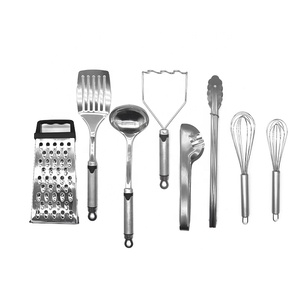
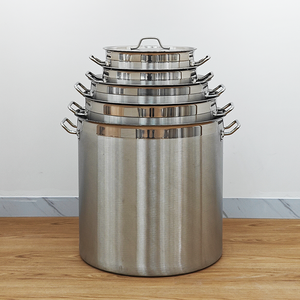
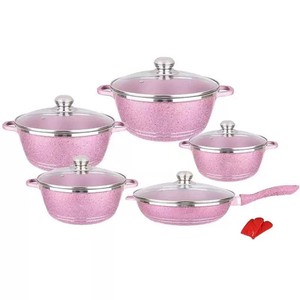
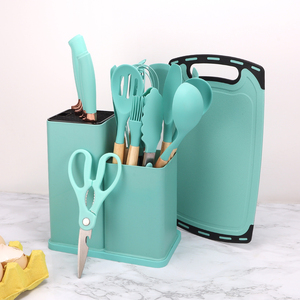
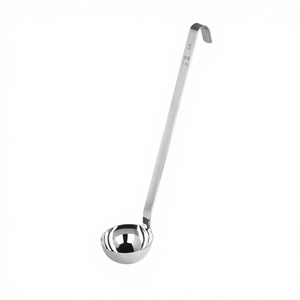
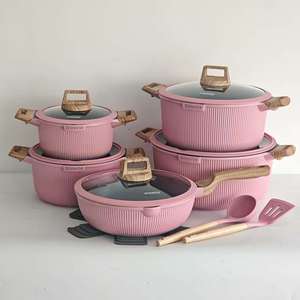
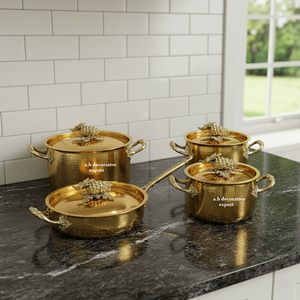
Operating out of our expansive industrial complex in Bandung, Jawa Barat, and supported by our strategic international trade hub in Jakarta, PT Indonesia Utensil (Neeta Kitchen) represents over five decades of metalworking mastery, technical precision, and certified supply chain resilience.
We operate fully integrated manufacturing lines for our acclaimed flagship brands—Tanica (everyday residential tools) and Edelmann (commercial catering grade)—while simultaneously delivering contract OEM/ODM solutions for Fortune 500 retail chains and global brand owners.
Every metric ton of austenitic stainless steel (AISI 304 / SUS 304) processed at our plant undergoes spectrographic analysis. We guarantee exact 18% Chromium and 8% Nickel compositional balances, shielding products against pitting, organic acid oxidation, and stress-corrosion cracking.
Shipping to 50+ nations requires comprehensive regulatory alignment. Our production process complies with US FDA food contact standards, European Union LFGB regulations, and ISO-certified quality management protocols, facilitating seamless customs clearance for B2B importers.
When procurement managers and corporate sourcing agents evaluate Custom OEM 304 Stainless Steel Utensils Manufacturers & Exporters, material specification accuracy is the primary determinant of product lifespan, safety, and total cost of ownership (TCO). Stainless steel is not a monolithic material; rather, it is a complex family of iron-based alloys engineered for specific environmental stresses.
AISI 304 (UNS S30400) is an austenitic chromium-nickel alloy that forms the benchmark for professional culinary and food processing equipment. The minimum thresholds of 18% Chromium (Cr) and 8% Nickel (Ni) create a self-healing passive layer of chromium oxide ($\text{Cr}_2\text{O}_3$) on the surface when exposed to oxygen. This microscopic barrier prevents moisture, oxygen, and harsh food acids (citric, acetic, and lactic acids) from attacking the underlying iron matrix.
| Material Grade | Compositional Breakdown | Corrosion Resistance | Tensile Strength (MPa) | Best Sourcing Application |
|---|---|---|---|---|
| AISI 304 (SUS 304) | 18-20% Cr, 8-10.5% Ni | Excellent (High Acid Resistance) | 515 - 700 | Heavy-Duty Commercial Utensils, Hotel Ladles, Pots |
| AISI 316 (SUS 316) | 16-18% Cr, 10-14% Ni, 2-3% Mo | Superior (Marine/Saline Environment) | 580 - 750 | Medical-Grade & Industrial Salt-Exposed Kitchenware |
| AISI 430 (SUS 430) | 16-18% Cr, 0.75% Max Ni | Moderate (Ferritic / Magnetic) | 450 - 600 | Economy Cutlery, Outer Induction Cladding Plates |
| AISI 201 (SUS 201) | 14-15% Cr, 1-1.5% Ni, 5.5-7.5% Mn | Low-Medium (Susceptible to Rust) | 650 - 850 | Budget Retail Items (Not Recommended for Heavy Acid) |
Transforming raw coil stock into commercial-grade utensils requires multi-stage mechanical forming and surface treatment to ensure structural integrity and hygienic performance:
Soup ladles, pot bodies, and deep bowls undergo hydraulic deep drawing using high-tonnage precision presses. This process ensures uniform wall thickness without mechanical stress fractures or weak points along the stress axis.
Commercial kitchen hygiene demands micro-smooth surfaces. Mechanical polishing creates a high-luster mirror finish (Ra < 0.2 µm), while chemical electropolishing removes surface iron inclusions, maximizing chromium concentration at the surface for extreme corrosion resistance.
Anticipating market shifts allows commercial buyers, hotel chains, and retail importers to stay ahead of consumer demands and regulatory pressures. Here are four dominant trends reshaping utensil manufacturing globally.
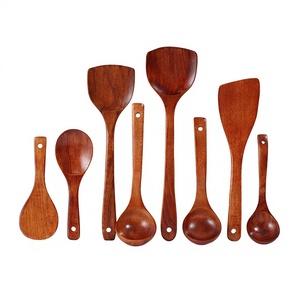
Modern culinary environments demand tools that merge the heat resistance and structural stiffness of 304 stainless steel with non-scratch, high-tactile materials. We are seeing a massive acceleration in OEM orders for hybrid utensils—such as stainless steel handles permanently bonded with high-grade food silicone heads or FSC-certified natural acacia wood inserts. These combinations protect non-stick cookware coatings while maintaining commercial durability.
Driven by boutique hotel dining, luxury catering, and social-media-driven aesthetic cooking, standard silver stainless steel is increasingly augmented by Physical Vapor Deposition (PVD) coatings. PVD gold, rose gold, matte black, and champagne finishes offer non-toxic, food-safe, dishwasher-durable color layers. Simultaneously, hand-hammered surface texturing is gaining traction in European buffet presentation software for its rustic, artisanal light reflection.
Global brand buyers are actively adopting "China Plus One" strategic sourcing frameworks to mitigate geopolitical, tariff, and supply chain bottleneck risks. Indonesia has emerged as a premier primary-sourcing destination in Southeast Asia, offering robust raw material access, skilled metalworking craftsmanship, competitive labor economics, and favorable trade agreements with North American and European markets.
Commercial buyers are facing stringent corporate sustainability mandates. Modern procurement RFPs now require certification of recycled steel content, non-plastic biodegradable export packaging, and zero-landfill manufacturing processes. Stainless steel is 100% infinitely recyclable, making certified 304 SS utensils the core component of green hospitality procurement portfolios.
Get immediate clarity on minimum order quantities, tooling lead times, custom branding processes, and international shipping protocols.
Whether you need volume wholesale pricing, custom tool engineering, or private-label catalog distribution, our engineering team is ready to analyze your specification requirements and provide factory-direct quotations.