
Engineered for extreme high-volume foodservice operations, professional hotel catering, and global retail private-label branding.
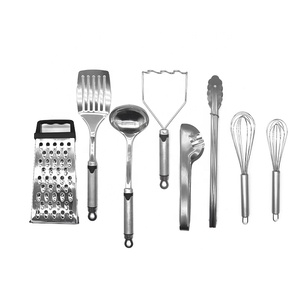 AISI 304 / 18-10
Heavy-gauge ergonomic stainless steel culinary tool set. Mirror-polished finish engineered for high-heat commercial sautéing, straining, and heavy-duty kitchen service.
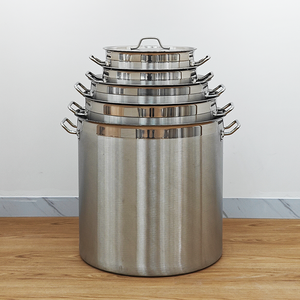 Heavy-Duty Stock Pot
High-capacity commercial soup pot set with encapsulate multi-ply impact-bonded thermal base. Formulated for continuous induction and gas heat transfer in hotel kitchens.
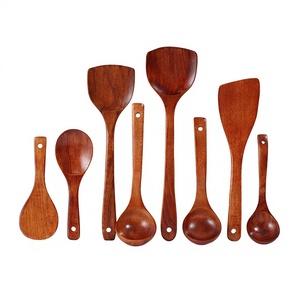 Anti-Scalding Hybrid
Eco-friendly commercial kitchen wood-hybrid tool set featuring ergonomic anti-slip grips, heat barrier protection, and non-stick cookware surface preservation.
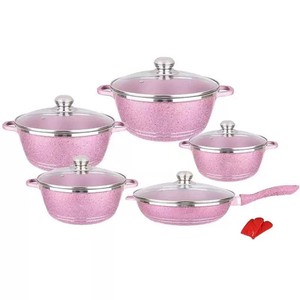 Die-Cast Aluminum
Precision pressure die-cast aluminum pot set featuring high-abrasion granite non-stick coating. Dishwasher safe, rapid heat conductivity for fast-casual restaurants.
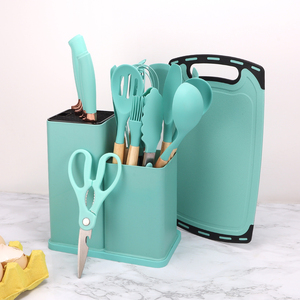 19-Piece Commercial
All-in-one culinary workstation set with high-temp resistant food-grade silicone heads, natural acacia handles, egg beaters, and integrated chef knives.
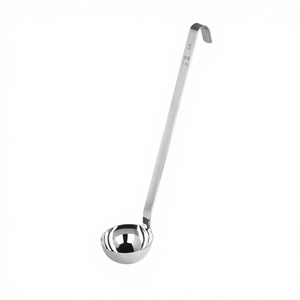 Single-Piece Monoblock
Monoblock seamless stainless steel ladle designed for high-capacity commercial kettles, buffet stations, and hotel banquet soup service. Zero bacteria traps.
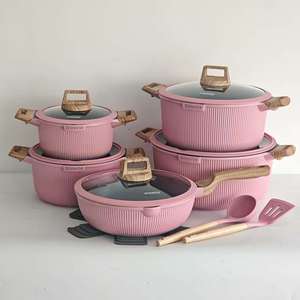 15-Piece OEM Set
Heavy-gauge die-cast aluminum casserole collection with reinforced multi-layer mineral coating, heat-tempered glass lids, and induction-ready bottoms.
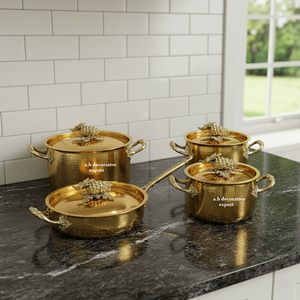 European Luxury Line
Decorative European-style hand-hammered stainless steel pots with brass/gold PVD handles. Blends luxury presentation with commercial thermal durability.
Combining 55+ years of metallurgical craftsmanship in Bandung, Indonesia with global B2B distribution across 50+ countries.
Founded in 1966 in Bandung, Indonesia, PT Indonesia Utensil has evolved into a powerhouse for precision stainless steel tool manufacturing, serving global retail and foodservice giants.
Our proprietary brands set global benchmarks: Tanica focuses on elegant, ergonomic home essentials, while Edelmann serves heavy-duty commercial catering environments.
From CAD prototype modeling and custom die-stamping to automated polishing and laser branding, our facility executes complex private-label specifications with zero margin for error.
Every product batch is manufactured under strict ISO-compliant quality control standards, ensuring complete compliance with NSF, FDA, and European LFGB food contact regulations.
With dedicated marketing hubs in Jakarta and direct sea-freight shipping protocols from Bandung, we ensure streamlined FOB/CIF delivery to over 50 countries across North America, Europe, and Asia-Pacific.
We supply custom-branded promotional kitchenware for high-end corporate gifts and retail loyalty campaigns, delivering long-term brand retention through daily utility.
In high-intensity commercial kitchen environments—such as hotel banquets, quick-service restaurant (QSR) chains, and hospital foodservice operations—kitchen utensils are subjected to constant thermal cycling, mechanical stress, chemical exposure from dishwashers, and harsh organic acids. Selecting the appropriate alloy formulation and manufacturing methodology directly dictates the total cost of ownership (TCO) for commercial operators.
While standard consumer kitchenware frequently utilizes low-cost 200-series manganese-substituted stainless steel (which is prone to pitting corrosion in acidic food environments), commercial-grade OEM manufacturing requires strict adherence to AISI 304 (18/8) and AISI 316 (18/10) austenitic alloys, or heavy-gauge pressure die-cast aluminum alloys with multi-layer mineral ceramic reinforcement.
To assist global procurement directors, commercial kitchen equipment suppliers, and OEM brand buyers, the following comparative engineering matrix outlines the mechanical parameters of primary kitchen tool substrate materials:
| Material Substrate | Composition / Grade | Corrosion Resistance | Thermal Conductivity | Commercial Application Target |
|---|---|---|---|---|
| Austenitic Stainless Steel 304 | 18% Cr / 8% Ni (AISI 304) | High (Resists food acids & salts) | 16.2 W/m·K (Standard) | Heavy-duty soup ladles, turners, stock pots, monoblock buffet tools |
| Austenitic Stainless Steel 316 | 18% Cr / 10% Ni / 2% Mo | Superior (Resists marine pitting & chlorides) | 16.3 W/m·K | High-salinity marine catering, industrial food processing equipment |
| Pressure Die-Cast Aluminum | ADC12 / A380 Aluminum Alloy | Moderate (Requires Non-Stick/Anodization) | 96.0 W/m·K (Rapid Heat Transfer) | Granite-coated casserole pots, frying pans, thermal baking tools |
| Food-Grade Platinum Silicone | Cross-linked Siloxane Polymer | High (Inert to all organic acids) | Low (Insulator, safe to 230°C) | Non-scratch spatulas, anti-scalding handles, whisk coatings |
A critical architectural standard required by commercial hygiene auditors (such as HACCP and NSF guidelines) is the elimination of mechanical joints, hollow rivets, and press-fit seam gaps in handle-to-bowl connections. Multi-piece welded utensils create micro-crevices where organic matter, grease, and bacterial colonies (e.g., Salmonella, Listeria) accumulate. Professional kitchenware, such as our monoblock long-handle stainless steel soup ladles, utilizes deep-drawing cold forging to form the handle and bowl from a single solid sheet of steel. This seamless structure guarantees 100% cleanability, structural rigidity under heavy mass transfer, and zero risk of handle detachment during high-volume cooking service.
Key technological shifts, regulatory mandates, and supply-chain evolutions shaping the global commercial kitchenware export market.
Global regulatory bodies across the EU (REACH) and North America (EPA guidelines) are enforcing strict phase-outs of forever chemicals (PTFE, PFOA, PFOS). Procurement directors are transitioning entire utensil catalogs to natural ceramic non-stick coatings, multi-layer granite mineral matrices, and physical PVD (Physical Vapor Deposition) surface treatments that eliminate toxic chemical off-gassing while maintaining effortless releasing properties.
Traditional manual metal grinding introduces variance in surface roughness (Ra values), leading to inconsistent corrosion resistance. Next-generation OEM suppliers are integrating multi-axis robotic polishing cells that deliver uniform satin and mirror finishes (Ra < 0.2 µm). This smooth surface finish drastically reduces micro-abrasion wear during automated commercial dishwashing cycles.
Global brand owners and hospitality chains are aggressively adopting "China+1" supply-chain strategies to mitigate tariff risks, geopolitical bottlenecks, and freight disruptions. Established Southeast Asian manufacturing hubs—exemplified by PT Indonesia Utensil’s 55+ year footprint in Bandung—provide international buyers with stable duty structures, high-capacity output, and direct access to raw nickel and alloy resources.
Commercial kitchen staff experience severe wrist fatigue (RSI) during continuous 8-to-12-hour shifts. Modern tool development focuses on biomechanical handle curvature, weight distribution counterbalancing, and hybrid material bonding—such as combining lightweight hollow-core stainless steel handles with high-grade thermal silicone shock absorbers—to enhance chef safety and operational speed.
How we take your private-label kitchenware concept from initial CAD drawing to mass production container shipment.
3D mechanical drafting, finite element stress analysis, and thermal flow modeling based on client specifications.
Rapid 3D SLA prototype creation followed by precision CNC tooling die-casting and stamping mold fabrication.
Automated high-tonnage hydraulic stamping, monoblock forging, heat treatment, and robotic surface polishing.
100% spectrographic metal validation, salt-spray corrosion testing, custom retail packaging, and container logistics.
Direct technical and logistical answers for corporate buyers, brand managers, and commercial importers.
Our standard MOQs for custom OEM production lines vary by manufacturing process. Standard stainless steel utensils (such as spatulas and ladles) typically start at 1,000 to 3,000 units per item SKU. For custom die-cast aluminum cookware sets or bespoke mold tooling, MOQs range from 500 to 1,500 sets depending on packaging and custom logo engraving options.
We conduct X-ray Fluorescence (XRF) spectrometry testing on every incoming raw coil lot to verify exact chemical compositions of Nickel, Chromium, and Molybdenum. All finished products undergo independent laboratory testing to certify compliance with US FDA 21 CFR 175.300, European LFGB, and NSF International hygiene standards.
Yes, complete OEM customization is our core competency. We offer high-precision fiber laser etching, mechanical stamping of logos, custom silicone color matching (Pantone PMS certified), PVD gold/rose-gold titanium coating, and full retail color-box design with FSC-certified sustainable packaging materials.
Sample prototyping and 3D SLA model evaluation require 7 to 14 days. Once pre-production samples are signed off and deposit confirmed, full mass manufacturing typically takes 35 to 45 days. Rapid re-order fulfillment for established SKU lines can be expedited within 25 days.
Our Edelmann commercial grade series is specifically engineered with high-passivation AISI 304 and 316 stainless steel alloys that withstand harsh alkaline detergents, high-temperature sanitizing rinse cycles (85°C+), and prolonged exposure to acidic food compounds without pitting, staining, or rusting.
With continuous manufacturing operations since 1966, we offer unmatched metallurgical expertise, zero-tariff advantages under key bilateral trade agreements, strict ethical labor standards, and vertical integration—giving international importers superior cost stability and quality reliability.