
Precision-engineered food-grade stainless steel utensils, cookware, and tableware tailored for global hospitality importers, brand owners, and wholesale distributors.
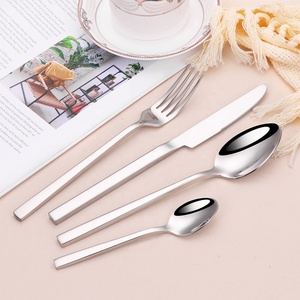
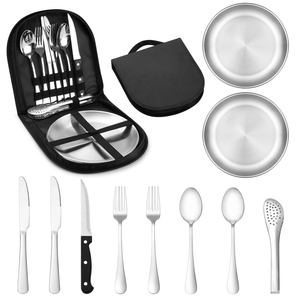
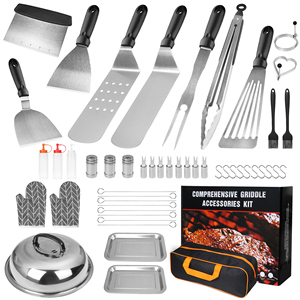
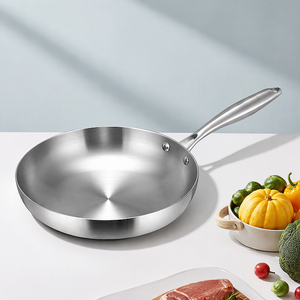
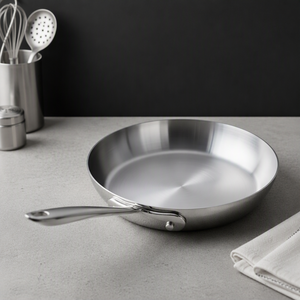
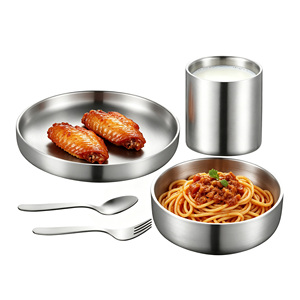
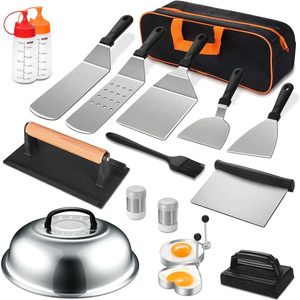
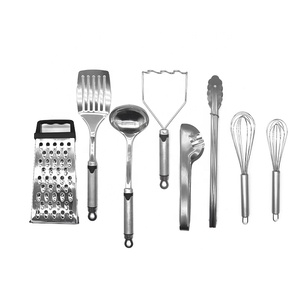
In the modern commercial kitchenware and hotel-restaurant-catering (HoReCa) eco-system, the structural integrity, surface finish, and metallurgical composition of stainless steel utensils directly dictate product longevity, brand reputation, and regulatory safety compliance. Founded in 1966 in Bandung, West Java, PT Indonesia Utensil has spent over five decades refining deep-drawing metal processing, automated polishing, and custom OEM manufacturing methodologies. Through our flagship brands—Tanica for household consumer excellence and Edelmann for heavy-duty commercial foodservice performance—we supply tier-one retail distributors, hospitality groups, and corporate marketing partners worldwide.
Navigating global procurement requires actionable intelligence regarding material grades, chemical corrosion resistance, production scalability, and international food contact compliance (such as FDA 21 CFR 175.300, EU Regulation No 1935/2004, and LFGB standards). This technical whitepaper details the engineering benchmarks, manufacturing protocols, and strategic procurement trends shaping the OEM stainless steel utensil export sector.
Stainless steel's resistance to oxidation and stain formation stems from its chromium oxide protective layer. Selecting the correct alloy grade is the most critical decision in OEM procurement, balancing unit cost against tensile yield strength and corrosion resistance in saline or acidic food environments.
| Alloy Grade | Nominal Composition | Corrosion Resistance | Tensile Strength (MPa) | Recommended Application |
|---|---|---|---|---|
| AISI 304 (18/8 & 18/10) | 18% Cr / 8-10% Ni | Exceptional (High resistance to organic acids & salts) | 515 - 620 | Premium flatware, heavy commercial cookware, double-wall insulated tableware, institutional hollowware. |
| AISI 316 (18/10/2) | 16-18% Cr / 10-14% Ni / 2-3% Mo | Superior (Molybdenum provides marine & chloride pitting resistance) | 580 - 680 | High-end marine catering equipment, chemical environment food containers, specialized medical kitchenware. |
| AISI 201 (Austenitic Cr-Mn) | 14-16% Cr / 3.5-5.5% Mn / 1% Ni | Moderate (Suitable for standard dry/mildly acidic use) | 650 - 750 | Value-engineered frying pans (3.0mm heavy gauge), cost-sensitive promo sets, high-stress structural handles. |
| AISI 430 (Ferritic 18/0) | 16-18% Cr / 0% Ni | Good (Magnetic, lower acid tolerance) | 450 - 550 | Induction-compatible cookware bases, budget cutlery, magnetic display knife blocks, structural brackets. |
Our Bandung facility enforces strict X-ray fluorescence (XRF) spectro-analysis on all incoming cold-rolled steel coils to guarantee chemical purity, preventing trace heavy metal contamination (Lead, Cadmium, Nickel leeching) prior to cold stamping and hydraulic forming operations.
End-to-end industrial execution from solid CAD tooling modeling to electro-chemical polishing and custom laser branding.
High-tonnage hydraulic presses capable of achieving deep drawing ratios up to 2.2 without micro-fracturing. Ideal for heavy-gauge 3.0mm cookware bodies and seamless double-wall insulated bowls.
Multi-stage progressive mechanical polishing (800-grit Mirror, Satin Brushed, Matte Bead-blasted) and PVD (Physical Vapor Deposition) titanium coating for Gold, Rose Gold, Matte Black, and Iridescent finishes.
Hollow-handle laser welding, solid forged thick-handle balancing, and heat-resistant silicone/bakelite insert co-molding. Designed to pass rigorous 500N bending moment stress tests.
Post-machining acid passivation removes free iron particles from the alloy surface, forming a dense chrome-oxide passive layer that boosts dishwashing cycle resistance by over 300%.
Precision Fiber Laser engraving, deep hydraulic logo stamping, and customized gift-box packaging production. Essential for corporate gift campaigns and branded retail collections.
In-house quality assurance labs perform neutral salt spray testing (ASTM B117 standards up to 72 hours), dishwasher thermal shock cycles, and hardness testing (Rockwell B scale).
As international supply chains evolve past simple unit-cost procurement, commercial buyers, hotel chains, and supermarket brands face new market forces. Sourcing directors must align their purchasing strategies with key secular trends transforming the metalware manufacturing landscape:
Over-reliance on single-country manufacturing hubs presents geopolitical, tariff, and logistics bottleneck risks. Sourcing from established Southeast Asian production centers like Indonesia offers significant advantages: zero-tariff trade agreements across key regions, stable energy infrastructure, and access to rich raw material ecosystems. PT Indonesia Utensil’s 55+ year history in West Java provides an established alternative for global buyers looking to derisk their Asian supply chains.
Sustainability has shifted from a corporate social responsibility metric to an explicit procurement requirement. Modern stainless steel is 100% recyclable. Up to 70% of our raw steel coils are produced using recycled scrap melted in electric arc furnaces (EAF), reducing carbon intensity by 45% compared to blast-furnace virgin ore processing. Furthermore, closed-loop water filtration systems in our polishing plant minimize environmental discharge.
The post-pandemic growth of outdoor hospitality, high-end camping, and teppanyaki-style open cooking has spiked demand for versatile, heavy-duty gear. Multi-piece sets featuring magnifying spatulas, thick-gauge solid flatware, and compact 10-piece picnic sets for 2 persons are outperforming traditional dining cutlery in growth velocity. Importers are expanding product catalogs to include crossover items suitable for both indoor commercial service and outdoor catering events.
Foodservice safety protocols require utensils that minimize thermal conductivity and bacterial adhesion. Double-wall insulated SS304 dinnerware prevents heat transfer to hands during high-temperature soup or beverage service while remaining virtually unbreakable under heavy commercial dishwashing environments—a key requirement for school cafeterias, hospitals, and high-turnover family restaurants.
Selecting an OEM/ODM factory requires evaluating long-term production stability, engineering prowess, and transparent ethical compliance. PT Indonesia Utensil stands out as an industry benchmark in Southeast Asia:
Connect directly with our engineering and export sales management team in Bandung and Jakarta. Request custom factory quotations, material samples, or technical tooling consultations today.
Send an Inquiry