
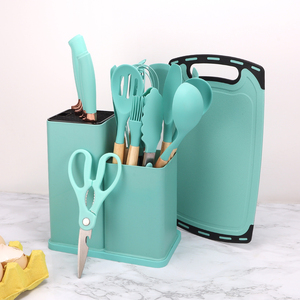
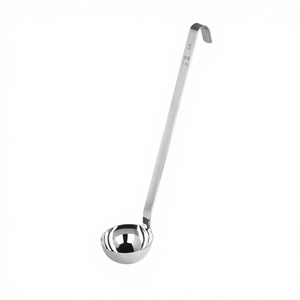
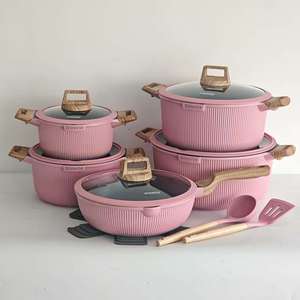
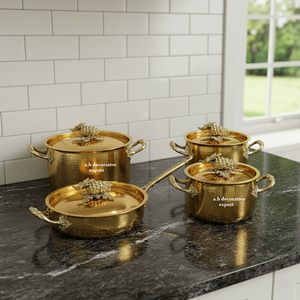
High-grade stainless steel, heavy-duty commercial cookware, non-stick granite alloys, and ergonomically balanced food-grade silicone tools manufactured under rigorous quality controls.
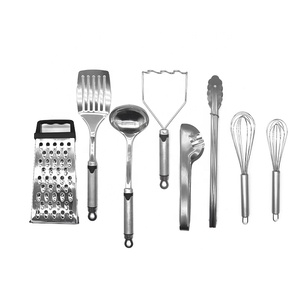
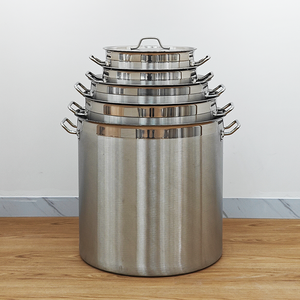
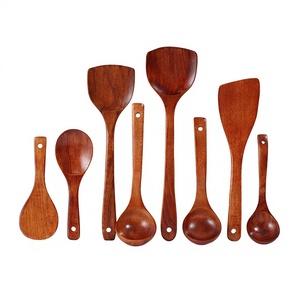
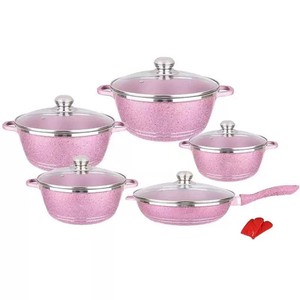
Combining over half a century of metallurgical expertise with modern automated production facilities to empower global brands, institutional buyers, and hospitality operators.
Established in 1966 in Bandung, Indonesia, PT Indonesia Utensil has evolved into a premier manufacturer of food-grade stainless steel kitchenware. Our proprietary thermal treating and deep-drawing tooling techniques ensure non-deforming structural integrity under commercial kitchen stress.
Owner of prestigious consumer and commercial brands including Tanica (designed for simple, modern household living) and Edelmann (engineered specifically for heavy-duty commercial catering and hospitality environments). Supplying over 50 countries worldwide.
From custom CAD/CAM mold development to laser etching, high-speed automated polishing, customized retail color boxes, and certified export packaging. Flexible MOQs optimized for mid-size brand scale and enterprise volume distribution.
The global kitchenware and commercial foodservice equipment market is experiencing a structural transition. Sourcing directors, brand managers, and B2B procurement executives are moving away from single-source low-cost models toward supply chains defined by metallurgical purity, regulatory compliance, ergonomic durability, and geographical diversification. As inflation and international trade tariffs reconfigure global margins, manufacturing partners with established multi-decade infrastructure in Southeast Asia offer decisive competitive leverage.
Key Procurement Insight: Modern institutional buyers prioritize 304 (18/8) and 316 (18/10) austenitic stainless steel alloys with encapsulated impact-bonded bases over thin-gauge alternatives to reduce lifecycle thermal warping, minimize replacement costs, and comply with strict EU LFGB and US FDA food contact standards.
In high-demand hospitality and consumer environments, structural longevity depends directly on alloy composition. Understanding the precise chemical breakdown of kitchenware materials is essential for preventing pitting corrosion, surface oxidation, and stress cracking under thermal shock.
| Stainless Alloy / Material | Composition (Cr / Ni / Other) | Corrosion Resistance | Ideal Application | Thermal Conductivity |
|---|---|---|---|---|
| AISI 304 (18/8 Steel) | 18% Chromium, 8% Nickel | High (Salt Spray Test >96 hrs) | Premium Cookware, Kitchen Utensils, Buffet Ware | Moderate (Pair with Al core) |
| AISI 316 (18/10 Steel) | 18% Cr, 10% Ni, 2% Molybdenum | Exceptional (Pitting Resistance) | Commercial Chefs' Pots, Heavy Acidic Food Vessels | Optimized with Clad Layers |
| AISI 430 (18/0 Ferritic) | 18% Chromium, 0% Nickel | Standard (Induction Capable) | Outer Encapsulated Base Layers, Cutlery Handles | High Induction Responsiveness |
| Die-Cast Aluminum (ADC12) | Al-Si-Cu Alloy Matrix | Requires Coating Protection | Non-Stick Casseroles, Korean Style Pots | Superior Rapid Heat Dispersion |
| Food-Grade LFGB Silicone | Polydimethylsiloxane (PDMS) | Chemically Inert (-40°C to +230°C) | Overmolded Handles, Non-Scratch Spatulas | Low (Insulating Grip) |
Strategic purchasing managers evaluating OEM factory partnerships must align with four macro trends currently re-shaping consumer kitchenware and commercial hotel/restaurant/catering (HoReCa) markets:
Partnering with an OEM supplier requires rigorous verification of quality control protocols at every stage of the production cycle. A reliable factory maintains multi-tiered inspection points:
Clear answers to crucial operational questions regarding custom tooling, minimum order quantities, private label branding, and international export logistics.
Standard MOQs for custom-branded stainless steel kitchenware typically range between 1,000 to 3,000 units per item, depending on tooling complexity, surface finish (mirror/satin/PVD), and custom packaging specifications. Stock items for our Tanica and Edelmann catalog lines offer flexible lower MOQ arrangements.
Yes. We provide complete in-house CAD/CAM tooling and mold engineering. From initial 3D rendering and rapid prototyping to tool steel die creation, our Bandung facility executes complete OEM development cycles within 30 to 45 days.
All our manufactured products comply with global food contact safety standards including FDA 21 CFR (USA), LFGB (Germany/Europe), EU Directive 1935/2004, and DGCCRF (France). Heavy metal leaching tests for Cadmium, Lead, and Nickel consistently pass zero-detect threshold limits.
Our granite non-stick and ceramic coating ranges utilize certified PFOA-free, PFOS-free, and heavy metal-free chemical formulations. Applied in multi-coat automated spray booths and cured at high temperatures, our non-stick surfaces undergo strict cross-hatch adhesion tests and scratch resistance trials.
We offer precision fiber-laser engraving, mechanical stamping/embossing, localized handle color-matching, custom silicone handle sleeves, retail color gift box packaging, barcodes, hanging tags, and master export carton customization tailored for retail and Amazon FBA requirements.
Standard mass production lead time is 35 to 45 days after deposit confirmation and sample approval. Freight is managed via primary Indonesian container ports (Jakarta / Tanjung Priok) with direct ocean shipping lanes to North America, Europe, Australia, and the Middle East.
Leverage 55+ years of verified Indonesian manufacturing craftsmanship. Request factory direct quotes, sample prototypes, or technical CAD consultations today.
Contact Us