
Explore our flagship commercial kitchenware selection, engineered specifically for high-volume hospitality, institutional catering, and international retail distribution. Each product line undergoes stringent metallurgical testing, thermal stress analysis, and food-grade compliance certification to guarantee maximum yield, hygiene, and operational longevity in heavy-duty commercial environments.
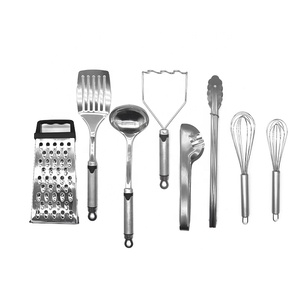
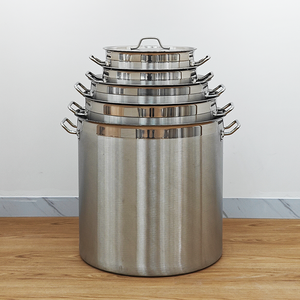
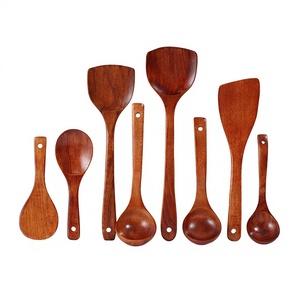
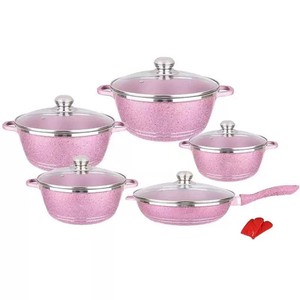
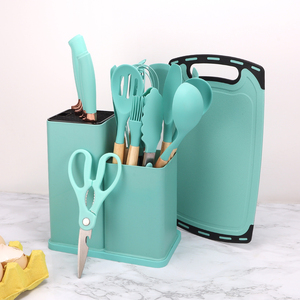
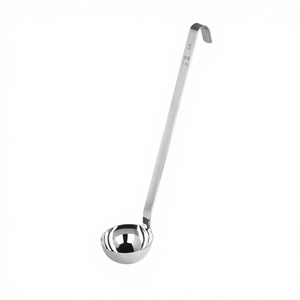
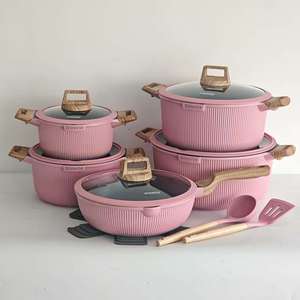
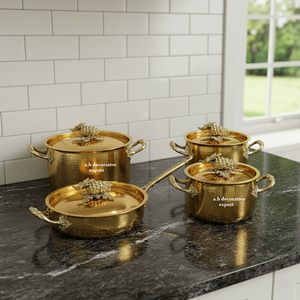
Founded in 1966 in Bandung, West Java, PT Indonesia Utensil has solidified its reputation as Southeast Asia’s premier high-volume OEM/ODM manufacturer of stainless steel kitchenware, commercial foodservice equipment, and custom hospitality supplies. Operationally operating under premier market brands—Tanica for contemporary retail and everyday culinary tools, and Edelmann for commercial catering and heavy-duty hotel kitchen equipment—our company bridges decades of traditional metalworking heritage with state-of-the-art automated manufacturing technologies.
Spanning across an expansive industrial complex equipped with automated deep-drawing hydraulic presses, high-precision progressive stamping, automated robot-arm polishing, and non-toxic PVD coating lines, PT Indonesia Utensil supplies B2B procurement heads, commercial distributors, and chain restaurant brands across North America, Europe, the Middle East, and the Asia-Pacific region. Our adherence to strict international standards ensures that every piece of cookware, spoon, ladle, and casserole leaving our facility conforms strictly to global food safety, heavy metal migration, and corrosion resistance protocols.
Designed for simple, inspired daily living. The Tanica collection fuses ergonomic form with high-durability AISI 304 food-grade stainless steel, presenting retail distributors with market-proven kitchen accessories, tableware, and sleek cooking utensils.
Built exclusively for commercial kitchens, hotel buffets, and high-intensity catering operations. Edelmann utensils feature reinforced structural wall thicknesses, seamless hygienic welds, and superior thermal stress tolerances under continuous usage.
Comprehensive private-label solution engineering. From custom laser-etched branding and bespoke mold development to customized promotional gift packaging, we accommodate complex multi-national supply chain procurement needs with strict IP confidentiality.
The commercial kitchenware procurement landscape is undergoing a fundamental structural transformation driven by stringent global health regulations, decarbonization imperatives, and shifting culinary operational dynamics. Modern procurement officers for international hotel groups, cruise lines, and institutional catering distributors must look beyond unit purchasing costs to evaluate Total Cost of Ownership (TCO), metallurgical purity, and supply chain transparency.
Based on primary industry data and global trade telemetry, four macroeconomic trends are defining commercial kitchenware procurement decisions for the 2025–2030 horizon:
Commercial kitchens are transitioning rapidly from basic 200-series low-nickel alloys to high-grade AISI 304 (18/8 & 18/10) and medical-grade AISI 316L stainless steel. The addition of molybdenum (2-3%) in 316L provides exceptional resistance to chloride pitting caused by high-salinity stocks, acidic sauces, and aggressive commercial chemical sanitizers. PT Indonesia Utensil utilizes high-purity austenitic stainless steel that guarantees zero metallic leaching and extended structural integrity across thousands of high-temperature wash cycles.
Institutional buyers in Europe and North America now require audited Scope 1 and Scope 2 carbon footprint transparency from metal fabricators. Indonesian manufacturing offers a distinct strategic advantage, avoiding punitive trade tariffs while leveraging factory eco-certifications. Our production facility implements closed-loop water filtration during electro-polishing processes, 100% recyclable steel scrap recirculation, and energy-efficient induction annealing ovens to meet global ESG compliance metrics.
As commercial kitchens transition away from open flame gas burners to high-efficiency induction cooktops, cookware engineering must adapt. Modern bulk procurement favors 3-ply and 5-ply encapsulated bases featuring an aluminum thermal core sandwiched between magnetic stainless steel outer layers. This construction eliminates hot spots, reduces commercial energy consumption by up to 30%, and prevents pan bottom warping under sudden thermal shock in fast-paced commercial lines.
Regulatory bans on per- and polyfluoroalkyl substances (PFAS, PFOA, PTFE) across Western markets have rendered traditional non-stick coatings obsolete for international importers. Modern commercial cookware heavily favors multi-layer granite ceramic mineral coatings and natural seasoned cast aluminum options (such as our Korean Non-Stick Granite Cookware series). These mineral matrices deliver superior release properties while standing up to high commercial frying temperatures without toxic off-gassing.
Selecting the correct material matrix is crucial for balancing front-of-house aesthetic elegance with back-of-house structural durability. The evaluation matrix below highlights performance metrics across key material categories manufactured at our Bandung facilities.
| Material Specification | Thermal Conductivity | Corrosion Resistance | Durability Rating | Primary B2B Target Application |
|---|---|---|---|---|
| AISI 304 Stainless Steel (18/10) | Medium (Enhanced via Tri-Ply) | Exceptional (High Nickel) | 9.8 / 10 | Heavy-Duty Commercial Stockpots, Hotel Buffets, High-Sanitization Utensils |
| Die-Cast Aluminum with Granite Coating | Ultra-High (Instant Distribution) | High (Mineral Shielded) | 8.9 / 10 | QSR Frying Lines, Non-Stick Breakfast Stations, Eco-Catering Facilities |
| PVD Gold / Decorative Stainless Steel | Medium | High (Titanium Nitride Layer) | 9.2 / 10 | Luxury European Banquets, High-End Buffet Service, Executive Corporate Gifting |
| Food-Grade Silicone + Hardwood Handles | Thermal Insulating (Up to 230°C) | Impervious to Acids/Water | 8.5 / 10 | Non-Stick Surface Protection, Pastry Preparation, Ergonomic Kitchen Stations |
Superior commercial cookware is the direct outcome of rigorous process control during metal forming and surface treatment. At PT Indonesia Utensil, our engineering roadmap integrates four key manufacturing methodologies that establish our market leadership across global export channels:
Utilizing high-tonnage hydraulic presses, our stainless steel stockpots and ladles are deep-drawn from single solid sheets of heavy-gauge metal. This monoblock construction eliminates structural side seams and welded joints, removing potential breeding grounds for bacteria and preventing stress fracture failures along weld lines during severe commercial usage.
To bond aluminum thermal cores onto stainless steel pot bases, we employ high-pressure friction-impact bonding (exceeding 2,500 tons of force). This process creates a seamless molecular bond between dissimilar metals without air gaps, guaranteeing zero base separation even when subjected to extreme dry-heating conditions on commercial gas ranges.
For decorative commercial service lines such as our Hand-Hammered Gold Stainless Steel collection, we utilize vacuum-chamber PVD technology. Unlike traditional chemical electroplating which can chip or wear off into food, PVD vaporizes titanium nitride to bind directly with the steel surface at a molecular level, producing an ultra-hard, food-safe, scratch-resistant luxury finish.
Navigating international kitchenware procurement requires a reliable manufacturing partner capable of delivering consistent quality, transparent pricing, and robust logistics management. PT Indonesia Utensil stands out as a trusted supplier for major global brands:
Manufacturing out of Indonesia provides importers in North America and Western Europe with optimized duty structures compared to East Asian source nations, helping reduce landed costs and avoid volatile trade tariffs.
Our dedicated toolmaking department designs and fabricates custom stamping dies, plastic injection molds, and embossing tools in-house, enabling rapid prototyping and low-cost custom OEM product development.
Every batch undergoes rigorous quality testing including 48-hour ASTM B117 neutral salt spray corrosion testing, spectrographic alloy purity verification, drop-impact testing, and coating adhesion lattice testing.
Clear answers to common technical, logistics, and order customization questions from international B2B buyers and importers.
Our baseline MOQ for standard catalog items under our Tanica or Edelmann product lines is typically 500 to 1,000 units per SKU. For fully customized OEM orders requiring custom tooling, private-label box packaging, or specific steel gauge modifications, standard production runs start at 2,000 units per line item. Flexible tier structures are available for multi-container mixed orders.
We maintain full raw material batch traceability. Every shipment of stainless steel coil is accompanied by Mill Test Certificates (MTC) certifying chemical composition. Furthermore, our finished products are independently tested and certified by third-party laboratories (SGS, TÜV) to comply with FDA 21 CFR, LFGB, and EU Food Contact Regulation (EC) No 1935/2004 heavy metal migration thresholds.
Yes. We provide complete turnkey OEM/ODM customization services. Our facilities support fiber laser marking for permanent logo etching on steel surfaces, custom color PVD finishes, silicone color matching, and custom printed FSC-certified retail color gift boxes, master cartons, and floor-ready pallet packaging.
Initial pre-production sample approvals are usually completed within 7 to 14 business days. Mass production lead times generally range between 30 and 45 days after deposit confirmation and artwork approval. Primary sea freight container shipments dispatch directly from Tanjung Priok Port (Jakarta, IDTPP) or Tanjung Emas Port, backed by full export documentation (Certificate of Origin Form E/Form A, Bill of Lading, Packing List).
While AISI 201 steel offers a lower initial price point, it substitutes manganese for nickel, making it prone to rust and pitting corrosion when exposed to high-humidity commercial dishwashers, acidic foods, or salt. AISI 304 contains a minimum of 18% chromium and 8% nickel, providing superior corrosion protection, structural durability, and a lower total cost of ownership (TCO) over years of commercial use.
We treat customer IP protection as a core priority. Prior to receiving technical CAD files or sample prototypes, we execute comprehensive non-disclosure agreements (NDAs). All custom tooling, stamping dies, and molds remain the exclusive property of the client and are securely stored within our factory toolroom solely for your designated production runs.
Partner directly with Indonesia's premier kitchenware manufacturer established in 1966. Contact our global engineering and B2B export team today to request wholesale product catalogs, custom OEM tooling quotes, or factory inspection audits.