
Engineered for commercial food service, heavy-duty restaurant kitchens, and high-end retail brands. Select a product line below to request technical drawings, material certifications, and wholesale OEM pricing catalogs.
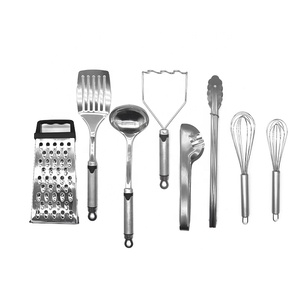
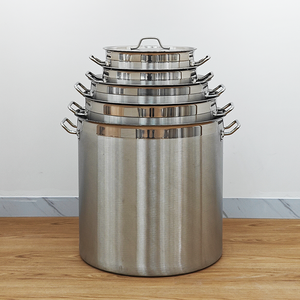
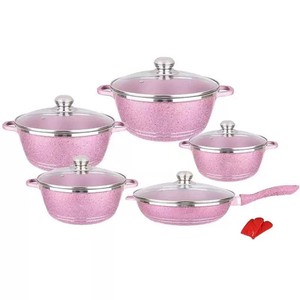
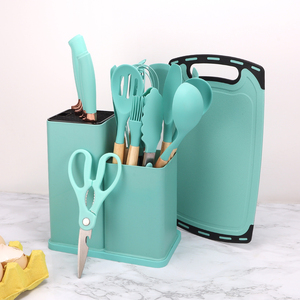
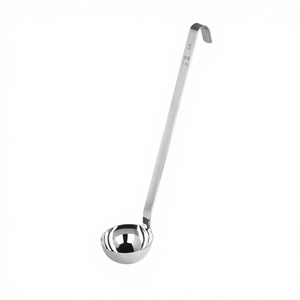
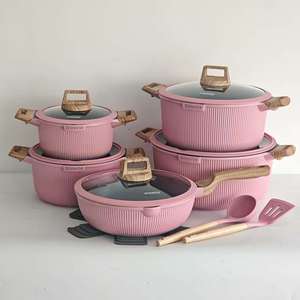
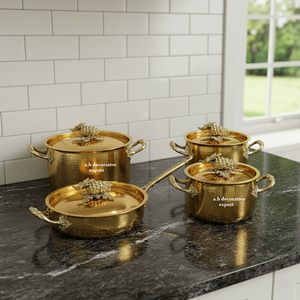
In the global B2B foodservice and home kitchenware market, selecting an OEM (Original Equipment Manufacturer) stainless steel utensils exporter requires a deep understanding of metallurgy, production engineering, and international compliance frameworks. Stainless steel is not a monolithic alloy; its performance, corrosion resistance, and food-safety characteristics vary drastically based on chemical composition and manufacturing precision.
For international buyers, importers, and brand owners, navigating top OEM exporters requires evaluating raw material traceability, deep-drawing capabilities, surface treatment technologies, and social audit compliance. This whitepaper provides a comprehensive framework for selecting qualified stainless steel utensil exporters, analyzing technical benchmarks, and identifying emerging market trends for 2025–2030.
Understanding the molecular properties of stainless steel grades ensures optimal product lifespan and cost efficiency for private-label OEM manufacturing:
| Stainless Steel Grade | Chromium / Nickel Ratio | Corrosion Resistance | Magnetic Property | Primary B2B Application |
|---|---|---|---|---|
| AISI 304 (18/8) | 18% Cr / 8% Ni | High (Resists food acids & moisture) | Non-Magnetic (Austenitic) | Premium Ladles, Spatulas, Skimmers, Cookware Sets |
| AISI 316 (18/10) | 18% Cr / 10% Ni + 2% Mo | Exceptional (Resists chlorides & salts) | Non-Magnetic (Austenitic) | Commercial Marine Catering, High-Salinity Food Equipment |
| AISI 430 (18/0) | 18% Cr / 0% Ni | Moderate (Suitable for dry environments) | Magnetic (Ferritic) | Induction-Compatible Pot Bases, Budget Cutlery, Tray Sets |
| AISI 201 / 202 | 16-18% Cr / 1-4% Ni + Mn | Low-Moderate (Prone to pitting over time) | Weakly Magnetic | Promotional Giveaways, Short-Lifecycle Utensils |
A premier OEM manufacturer operates integrated production lines designed to minimize micro-flaws, structural stress points, and burrs. The technical manufacturing sequence includes:
High-tonnage hydraulic presses transform blank steel sheets into seamless ladle bowls, pot bases, and ergonomic handle shapes without wall-thinning defects.
Heat treatment cycles relieve internal strain caused by cold-working, preventing stress-corrosion cracking during heavy thermal cycles in commercial kitchens.
Mechanical multi-stage buffing combined with electropolishing eliminates microscopic pits, resulting in a mirror-like finish (Ra < 0.4 µm) that inhibits bacterial adherence.
Products undergo citric or nitric acid passivation baths to build an oxide layer (Cr₂O₃), rendering the surface inert to food contact and preventing rust formation.
The global stainless steel kitchenware market is undergoing structural shifts driven by environmental regulations, supply chain diversification, and ergonomic innovations. Procurement executives must align their supply chain strategies with these key industry vectors:
Global buyers are aggressively shifting procurement toward Southeast Asian manufacturing hubs such as Indonesia. Southeast Asia offers strategic nickel reserve access, lower export tariffs to North America and Europe, and reduced geopolitical supply disruption risks.
Traditional chemical electroplating is being replaced by environmentally clean PVD coating technologies. PVD produces vibrant gold, rose gold, matte black, and rainbow titanium finishes without generating toxic liquid effluent, fully complying with global ESG criteria.
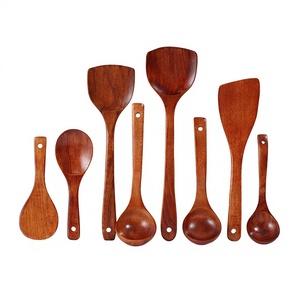
Modern commercial and residential kitchens demand hybrid tools combining stainless steel load-bearing shafts with heat-resistant food-grade silicone heads or stay-cool ergonomic wooden handles. OEM factories must possess dual-material assembly precision.
With updating EU (LFGB) and US FDA regulations, testing for heavy metal leaching (Manganese, Chromium, Nickel, Cadmium) under acidic cooking conditions has become mandatory. Qualified exporters provide batch-level SGS, TUV, or Intertek lab clearances.
Over 55 Years of Precision Stainless Steel Kitchenware Manufacturing
Founded in 1966 in Bandung, Jawa Barat, Indonesia, PT Indonesia Utensil has established itself as a premier OEM/ODM manufacturer and exporter of stainless steel kitchenware, foodservice utensils, and corporate promotional products. Operating two internationally recognized flagship brands — Tanica (for refined home living tools) and Edelmann (for heavy-duty professional catering equipment) — the company serves buyers across more than 50 countries worldwide.
Our state-of-the-art manufacturing plant in Bandung leverages high-precision deep-drawing presses, automated polishing lines, and strict quality control teams to support custom private labeling, specialized tooling development, and large-scale contract manufacturing.
Request Enterprise OEM Quote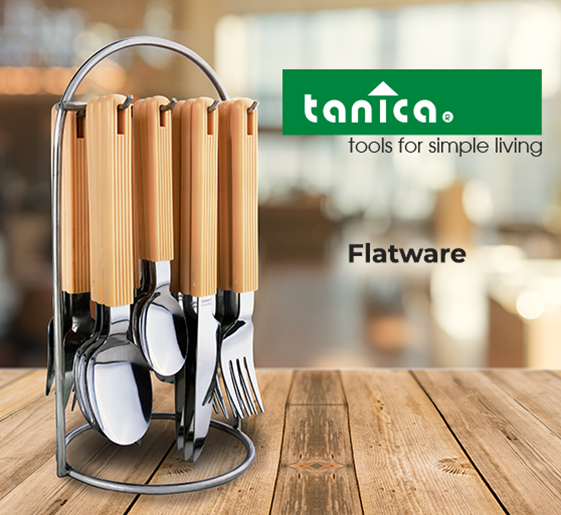
Key technical and operational answers for commercial buyers, importers, and brand procurement directors:
Whether you are expanding a commercial foodservice catalog, sourcing promotional kitchen products, or developing proprietary OEM kitchenware lines, our engineering team provides end-to-end manufacturing support.