
Engineered for high-volume commercial kitchens, hotel buffets, and professional foodservice operators worldwide.
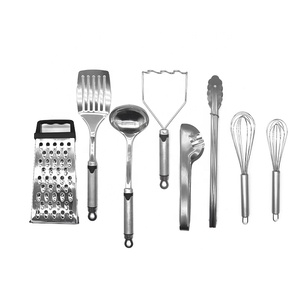
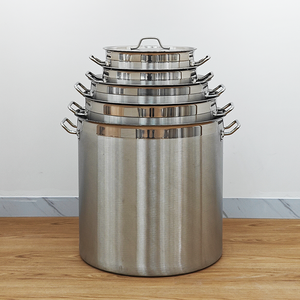
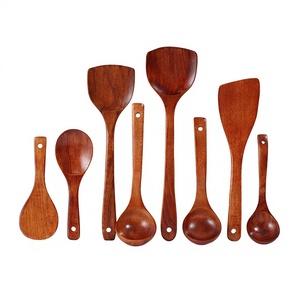
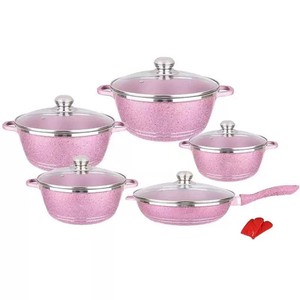

The global commercial foodservice and catering equipment market has reached a pivotal juncture in 2025. Driven by expanding hospitality sectors, increased demand for institutional catering, and stringent international food-safety mandates, B2B procurement managers face growing complexity when selecting manufacturing partners. Choosing the right wholesale catering supplies manufacturer requires evaluating not only immediate piece-unit pricing, but total cost of ownership (TCO), material purity, structural durability, compliance with global health standards (such as NSF, FDA, and LFGB), and supply chain resilience.
This industry whitepaper delivers an exhaustive audit of the Top 10 Wholesale Catering Supplies Manufacturers worldwide, analyzing their technical capabilities, metallurgical standards, OEM flexibility, and production capacity. Designed for global procurement directors, hotel chain sourcing executives, and restaurant supply distributors, this report details how top-tier factories engineer cookware and utensils capable of enduring 16-hour daily commercial operations without thermal warping, delamination, or chemical degradation.
Strategic Sourcing Takeaway: Modern catering environments demand equipment constructed from high-grade austenitic stainless steels (such as AISI 304 and AISI 316) or reinforced die-cast aluminum alloys. Technical evaluations confirm that proper nickel-chromium ratios directly prevent stress-corrosion cracking caused by high-salinity foods and commercial alkaline dishwashers.
To assist procurement executives in conducting thorough vendor audits, the comparative framework below evaluates leading global manufacturers based on key commercial criteria: manufacturing heritage, material specs, minimum order volumes (MOQ), custom OEM/ODM capability, and global compliance certifications.
| Manufacturer Name | HQ / Production Hub | Primary Material Expertise | Core OEM / ODM Specialties | Compliance Certifications | Global Reach |
|---|---|---|---|---|---|
| PT Indonesia Utensil (Tanica / Edelmann) | Bandung, Indonesia | 304/316 Stainless Steel, Monobloc Utensils | High-Volume Commercial Utensils, Custom Etching, Luxury Hotel Lines | ISO 9001, Food-Grade FDA, LFGB, Halal Compliant Process | 50+ Countries (North America, Europe, Asia) |
| Vollrath Company | Wisconsin, USA | Heavy-Gauge 18/8 Stainless Steel, Cast Iron | Buffet Ware, STEAM Table Pans, Smallwares | NSF International, UL Certified, ISO 9001 | Global Direct & Distribution |
| Pinti Inox S.p.A. (Pintinox) | Sarezzo, Italy | 18/10 Stainless Steel Cutlery & Cookware | Designer Flatware, Hotel Buffet Display Systems | ISO 9001, European Food Contact Standard (EC 1935/2004) | Worldwide Export Network |
| Paderno World Cuisine | Ornavasso, Italy | Tri-Ply Stainless Steel, Copper-Clad Cookware | Heavy-Duty Commercial Cookware, Pastry Tools | NSF Certified, CE Compliance, HACCP Ready | 80+ International Markets |
| De Buyer | Faymont, France | Mineral B Carbon Steel, 5-Ply Stainless | Artisanal French Chef Cookware, Bakery Equipment | ISO 14001, Enterprise du Patrimoine Vivant (EPV) | 75+ Countries Worldwide |
| Lacor Menaje Profesional | Bergara, Spain | 18/10 Stainless Steel, Non-Stick Cast Aluminum | Electric Catering Appliances, Gastronorm Containers | ISO 9001, CE, RoHS, LFGB Standard | Global Distribution Channels |
| Winco Foods Equipment | New Jersey, USA | Commercial Grade Aluminum, Stainless Steel | High-Volume Fast-Food Kitchenware, Barware | NSF International Standards | Americas & Global Logistics |
| Thunder Group | California, USA / Asia Hub | Melamine Tableware, Stainless Steel Smallwares | Asian Buffet Ware, Bain-Marie Inserts | NSF International, FDA Approved | Worldwide Footprint |
| Cambro Manufacturing | California, USA | Polycarbonate, Insulated Beverage Containers | Food Transport Carts, Trays, Warewashing Racks | NSF Certified, ISO 9001 | 100+ Countries Global Supply |
| Carlisle Foodservice Products | Oklahoma, USA | High-Density Polymers, Stainless Steel Accessories | Sanitary Maintenance, Buffet Service Tools | NSF International, ISO 9001 | Global Commercial Network |
Occupying a distinguished position in the Asian and international manufacturing landscape, PT Indonesia Utensil has operated continuously since 1966 from its primary manufacturing hub in Bandung, West Java (Jalan Kopo Bihbul No. 131). Over more than 55 years of metallurgical innovation, the company has evolved from a regional supplier into a high-capacity global supplier of commercial-grade kitchenware and custom OEM solutions.
The enterprise structures its commercial output through two world-renowned flagship product lines:
Designed for daily home precision and refined commercial utility, Tanica blends elegant aesthetic design with high-tensile stainless steel. Product lines encompass precision gadgetry, spatulas, skimmers, and daily preparation tools crafted for hygiene and durability.
Engineered exclusively for demanding high-volume commercial kitchens, hotel buffets, and institutional caterers. Edelmann features monobloc seamless construction, high-capacity stock pots, heavy-gauge ladles, and stress-tested cookware built for intensive 24/7 service.
Leveraging state-of-the-art deep-drawing presses and automated polishing lines, PT Indonesia Utensil delivers private-label manufacturing and corporate promotional kitchen products for international retail brands and corporate gifting programs.
Operated under strict quality management frameworks, PT Indonesia Utensil’s dual facility infrastructure (including its strategic marketing office in Jakarta) ensures seamless order execution, rigorous pre-shipment quality verification, and export compliance to over 50 destinations worldwide.
The manufacturing of commercial catering supplies is undergoing significant innovation driven by advancements in material science, ergonomic engineering, and energy efficiency. Buyers evaluating supplier technical specs should track four vital technological developments:
Modern commercial cookware utilizes multi-layer thermal bases combining magnetic AISI 430 stainless steel (for induction compatibility), an aluminum core (for rapid, uniform heat distribution), and an internal AISI 304 food-contact surface. This prevents localized hot spots that scorch bulk food batches during long simmering cycles.
Hygienic standard updates are pushing manufacturers away from multi-piece riveted or spot-welded utensils toward monobloc single-piece stamping. Eliminating seams prevents food particle entrapment and bacterial colonization (such as Listeria or Salmonella), simplifying commercial sanitation.
In non-stick skillet and casserole production, traditional PTFE coatings are being replaced by high-durability ceramic granite matrix coatings. These non-reactive mineral coatings withstand operating temperatures up to 450°C without degassing or degrading under intensive spatulate abrasion.
As global logistics face trade re-alignments, tariff volatility, and ESG (Environmental, Social, and Governance) disclosure mandates, international buyers are restructuring their procurement strategies. Key trends shaping procurement between 2025 and 2030 include:
Global hospitality brands and restaurant chains are shifting from single-region dependency toward balanced sourcing models. Southeast Asian manufacturing hubs—led by established factories in Indonesia—offer low geopolitical tariff risks, stable labor cost structures, and competitive deep-sea freight access to Western and Middle Eastern ports.
Corporate sustainability mandates now require catering suppliers to document energy consumption per ton of steel processed and verify recycled scrap steel ratios. Leading manufacturers utilize clean electric-arc melting furnaces and closed-loop water recirculation systems during ultrasonic cleaning and electro-polishing phases.
Leading factories now utilize 3D CAD modeling and rapid metal tooling to produce custom OEM sample prototypes within days rather than months. Laser-engraving and automated PVD color coating processes (e.g., artisanal gold, rose gold, and gunmetal finishes) allow hotels to request customized table presentation gear with short turnaround times.
When placing high-volume OEM orders, procurement teams must enforce stringent factory acceptance testing (FAT). The table below outlines the core testing parameters required to verify top-grade commercial catering equipment:
| Test Parameter | Testing Methodology / Standard | Acceptance Benchmark | Commercial Risk If Non-Compliant |
|---|---|---|---|
| Chemical Composition Analysis | X-Ray Fluorescence (XRF) Spectrometry | Chromium ≥ 18%, Nickel ≥ 8% (for AISI 304 Grade) | Rapid rust formation, metal leaching into acidic food items |
| Corrosion Resistance | ASTM B117 Neutral Salt Spray Test (96 Hours) | Zero surface pitting or oxide spots post-exposure | Pitting corrosion caused by salt, tomato paste, or cleaning chemicals |
| Thermal Shock Resilience | Cyclic Rapid Cooling (250°C to 20°C Water Bath) | No base warping, delamination, or micro-cracking | Uneven cooking heating, rocking pots on flat induction cooktops |
| Handle Weld Tensile Strength | Hydraulic Pull Load Testing (> 250 kg force) | Zero weld shear or joint detachment | Catastrophic hot liquid spill hazards, worker injury risks |
Below are authoritative responses to common technical inquiries raised by procurement officers and enterprise buyers:
Whether you are sourcing standard high-volume commercial smallwares, developing a proprietary hotel buffet line, or launching a branded corporate kitchen giveaway, PT Indonesia Utensil delivers precision manufacturing backed by 55+ years of operational excellence.