
Engineered with medical-grade & food-safe stainless steel, die-cast aluminum alloys, and advanced surface passivation to guarantee non-reactive, anti-corrosive performance across demanding hospitality environments.
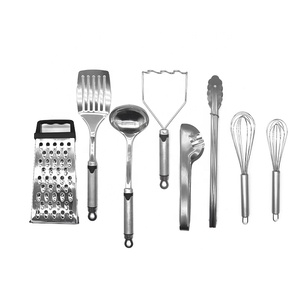
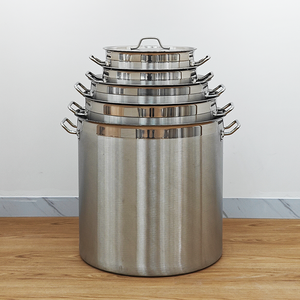
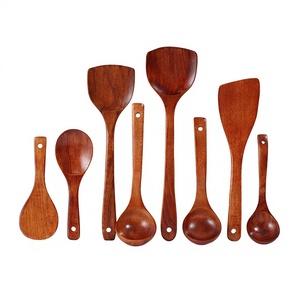
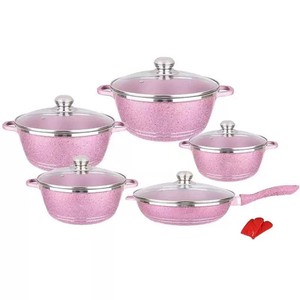
In the ultra-competitive global foodservice, commercial catering, and retail cookware sectors, product longevity is directly governed by material integrity. Commercial kitchens subject cooking utensils, heavy-duty soup pots, and tabletop food-service items to extreme thermal shock, aggressive acidic food compositions (pH levels below 3.5), and continuous exposure to harsh chloride-containing commercial dishwashing detergents. Standard consumer-grade kitchenware frequently succumbed to micro-pitting, stress corrosion cracking (SCC), intergranular degradation, and nickel leaching within months of high-intensity commercial use.
As a leading global pioneer in stainless steel kitchenware manufacturing, PT Indonesia Utensil has engineered industry-standard solutions since 1966. Operating out of our primary manufacturing facility in Bandung, Jawa Barat, Indonesia, alongside strategic commercial operations in Jakarta, our organization has spent over five decades refining metallurgical formulations, cold-working techniques, mechanical polishing, and passivation processes. Through our market-leading flagship brands—Tanica (tailored for modern retail, ergonomic home essentials, and lifestyle collections) and Edelmann (specifically engineered for heavy-duty commercial foodservice, hotel buffets, and high-volume catering applications)—we bridge the gap between heavy industrial durability and sleek, contemporary aesthetics.
To assist procurement officers, hotel chain purchasers, brand owners, and OEM importers in selecting optimal material specifications, our engineering team has outlined the key metallurgical factors driving corrosion resistance across commercial cookery and utensil manufacturing.
Utilizing high Nickel (8–10%) and Chromium (18–20%) content, 304 and 316 grade alloys create a non-porous, self-healing passive surface layer. Grade 316 incorporates 2% Molybdenum, rendering it completely impervious to pitting corrosion caused by high-salinity soups, marine environments, and acidic sauces.
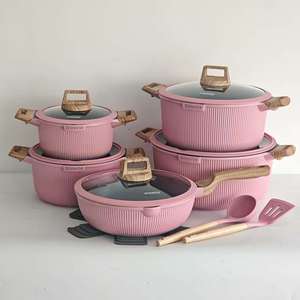
For rapid thermal distribution, die-cast aluminum coated with multi-layer mineral granite composites provides exceptional non-stick release without fluorine degradation. Ideal for low-oil, low-temperature frying pans and ornate casserole cookware.
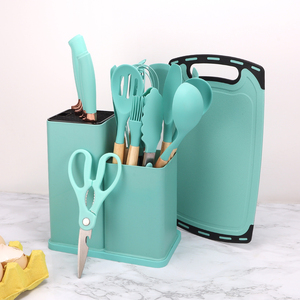
Combining structural core strength with non-abrasive, high-heat silicone (rated up to 230°C/446°F), silicone-coated tools protect non-stick coatings from mechanical scratching while remaining completely rust-proof in industrial dishwashers.
| Material Class | Composition Standard | PREN Rating (Corrosion Index) | Thermal Efficiency | Dishwasher Safe Rating | Primary Target Application |
|---|---|---|---|---|---|
| AISI 316 Stainless Steel | 18% Cr / 10% Ni / 2% Mo | 23.0 - 25.0 (Exceptional) | Medium (16 W/m·K) | 100% Dishwasher Safe | Heavy-Duty Hotel Buffets, Salt Sauce Preparation |
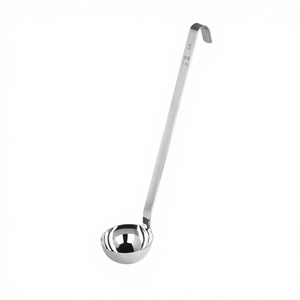
| AISI 304 Stainless Steel | 18% Cr / 8% Ni | 18.0 - 20.0 (High) | Medium (16.2 W/m·K) | 100% Dishwasher Safe | Commercial Ladles, Restaurant Stock Pots, Utensils |
| Ferritic 430 Stainless Steel | 17% Cr / 0% Ni | 15.0 - 16.5 (Moderate) | High (26 W/m·K) | Handwash Recommended | Induction Base Cladding Plates, Budget Cutlery |
| Die-Cast Aluminum + Granite | Al-Si-Cu Alloy Base + PTFE/Granite | N/A (Coating Dependent) | Very High (160 W/m·K) | Mild Cycle Only | Non-Stick Casseroles, Decorative Home Cookware |
| Silicone-Reinforced Steel | LFGB Silicone + 304 Inner Core | Complete Resistance | Low Heat Transfer (Ideal handle) | 100% Dishwasher Safe | Anti-Scalding Spatulas, Non-Scratch Skimmers |
As global supply chains adjust to fluctuating raw material prices, stringent chemical compliance mandates, and shifting consumer expectations, commercial buyers must align with forward-thinking manufacturing partners. Strategic procurement over the next decade will be defined by three critical pillars:
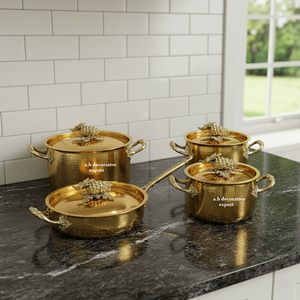
Regulatory bodies worldwide (including European REACH guidelines and North American state-level mandates) are phasing out fluorinated polymer coatings due to persistent environmental bioaccumulation. Global buyers are rapidly transitioning to multi-ply non-stick granite matrices, hand-hammered decorative stainless steel, and electropolished raw metals. Factories equipped with multi-stage surface mechanical finishing—such as hand-hammering gold accents and mirror-polishing—offer timeless durability without chemical wear.
Over-reliance on single-region sourcing models has exposed global distributors to trade tariffs, port congestions, and supply disruptions. Indonesia has emerged as a powerhouse for metallurgical manufacturing, supported by vast nickel reserves, robust industrial infrastructure, and competitive labor expertise. Sourcing directly from established manufacturers like PT Indonesia Utensil in Bandung gives international importers a tariff-advantaged, highly reliable alternative to East Asian suppliers.
Commercial kitchen staff turnover and workplace safety regulations are driving demand for ergonomically optimized, weight-balanced tools. Modern commercial ladles, spatulas, and stockpots now incorporate hollow-core thermal break handles, anti-skid silicone inserts, and rimless pouring lips that minimize fat accumulation and cross-contamination.
Corporate buyers, retail chains, and promotional agencies are increasingly shifting away from single-use promotional items toward premium, branded stainless steel kitchenware. Kitchen utensils carry high residual utility value, serving as daily touchpoints in target consumer households for decades.
Founded in 1966, PT Indonesia Utensil has evolved from a regional pressing workshop into one of Southeast Asia's most prominent export-oriented stainless steel kitchenware manufacturers. Based in Bandung, West Java, our state-of-the-art facility integrates advanced deep-drawing hydraulic presses, automatic polishing lines, laser-engraving stations, and rigorous chemical passivation bath systems.
Our dual-brand structure addresses distinct global market needs: Tanica delivers minimalist, high-functionality retail products designed to enrich home culinary experiences, while Edelmann produces heavy-spec, NSF/ISO-compliant foodservice tools built to endure 24/7 commercial kitchen operations. Whether servicing private label retail contracts or executing custom corporate promotional projects, our factory maintains rigorous quality management protocols from raw material spectrum analysis to final export packing.
Tooling tolerances within ±0.05mm ensure seamless lid-to-pot fitment, smooth weld seams on long-handled ladles, and flawless surface flatness for induction-compatible bases.
Every batch undergoes citric/nitric acid passivation baths to strip free iron particles left during tooling, forming a non-porous corrosion barrier verified by salt spray testing (ASTM B117).
From custom laser-etched branding and bespoke handle ergonomic designs to specialized retail packaging, our in-house engineering team converts client CAD concepts to production-ready tooling efficiently.
Below are answers to critical technical questions frequently raised by global procurement specialists, wholesale importers, and hospitality supply officers.
Our superior performance stems from strict metallurgical selection and post-manufacturing chemical passivation. While many basic suppliers use recycled scrap steel with inconsistent nickel distributions—leading to localized micro-pitting—we strictly source prime-grade AISI 304 and 316 austenitic stainless steel. Furthermore, all drawn and welded components (such as our heavy-duty soup pots and long-handle ladles) undergo automated electropolishing and controlled passivation baths to eradicate micro-burrs and free iron contaminations, forming an uninterrupted passive chromium oxide film.
Handle attachment zones are notoriously vulnerable to crevice corrosion due to micro-gaps and localized heat-affected zones (HAZ) during welding. We utilize multi-point projection welding and high-frequency TIG welding under inert argon gas shielding. This prevents chromium carbide precipitation along grain boundaries (sensitization). Post-weld stress-relieving and chemical cleaning ensure that the weld joint matches the parent metal's corrosion resistance score.
Our manufacturing processes strictly comply with international food-contact safety standards, including U.S. FDA 21 CFR 175.300, European Regulation (EC) No 1935/2004, and German LFGB specifications. Our products are thoroughly tested for heavy metal extraction (extractable nickel, chromium, manganese, and lead), ensuring 100% leach-free safety even during continuous contact with high-temperature acidic cooking media.
Yes. We specialize in OEM and corporate promotional kitchenware production. We offer fiber-laser engraving, deep stamping, custom color-coated silicone handles, and specialized retail packaging (gift box sets, eco-friendly FSC kraft sleeves, bulk display boxes). Our design department works directly with corporate buyers to ensure brand guidelines are accurately rendered on the physical metal products.
For standard catalog items under our Tanica and Edelmann product lines, standard MOQs start at 500 to 1,000 units per SKU depending on size and complexity. For custom OEM tooling or specialized private label packaging, initial MOQs generally range from 2,000 to 5,000 units. Standard production lead times are between 30 to 45 days post-sample approval, with direct sea-freight dispatch from Tanjung Priok Port (Jakarta) or local regional hubs.
Stainless steel cookware (such as our Edelmann line) is virtually indestructible and can withstand harsh, high-alkaline commercial dishwasher sanitizers indefinitely. Granite-coated die-cast aluminum offers unmatched non-stick convenience for low-oil cooking and delicate food release. While our granite coatings are dishwasher safe on gentle cycles, hand washing with soft sponges maximizes their service life in high-turnover professional kitchens.