
Direct Factory Export Supply for Japanese Importers, Hotel Chains, Commercial Kitchen Suppliers, and Retail Distributors
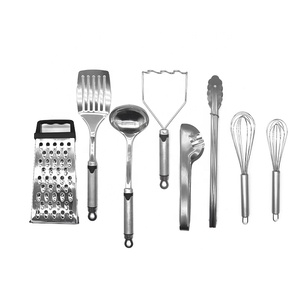
High-mirror polished food-grade stainless steel set, ergonomically balanced for Japanese commercial kitchens and luxury retail.
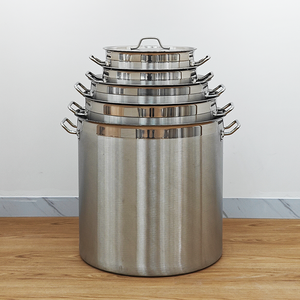
Multi-capacity heavy gauge thermal bottom pot set engineered for commercial restaurant usage, ramen houses, and hotel buffets.
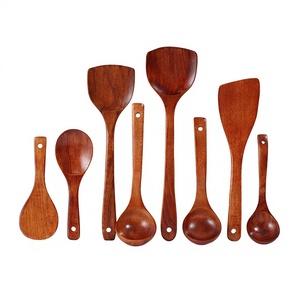
Hybrid natural wood and stainless steel construction designed for non-stick cookware protection in modern Japanese residential kitchens.
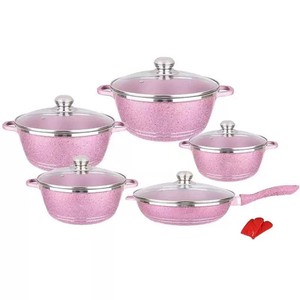
Dishwasher safe, granite-coated die-cast cookware set optimized for energy-efficient induction heating across Japanese households.
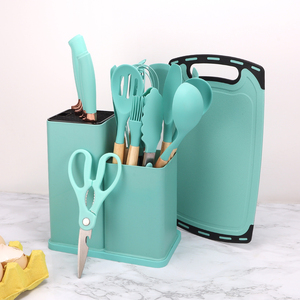
Food-grade heat-resistant silicone combined with treated hardwood handles and stainless steel core blades for high-end culinary use.
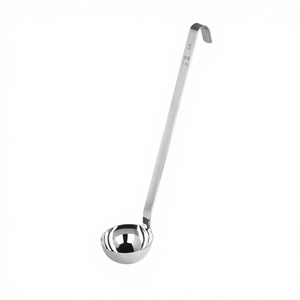
One-piece deep stamped deep-capacity ladle engineered without seams to meet strict commercial sanitation standards in Japan.
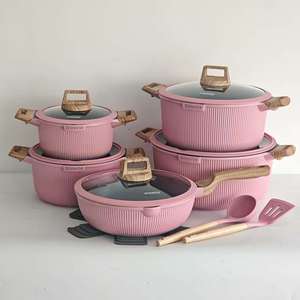
Die-cast aluminum core with multi-layer non-stick mineral finish and stainless steel accented glass lids for premium wholesale distribution.
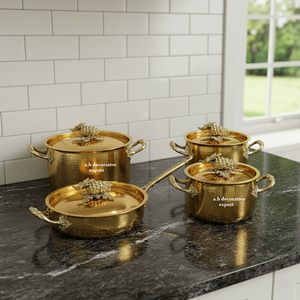
Ornate artisanal hand-hammered texture featuring gold PVD vacuum ion plating, ideal for upscale Kaiseki and fusion dining presentation.
The Japanese commercial tableware and kitchen utensil sector represents one of the world's most rigorous markets regarding metallurgical quality, sensory ergonomics, and regulatory compliance. As Japanese hospitality operators, institutional caterers, and department store chains continuously upgrade their supply chains, sourcing CE-certified and Japanese Food Sanitation Law (JFSL) compliant stainless steel flatware has become a critical strategic objective.
PT Indonesia Utensil, established in 1966 in Bandung, Indonesia, stands at the forefront of global OEM/ODM stainless steel manufacturing. Operating proprietary flagships such as Tanica (focusing on household elegance and precision gadgets) and Edelmann (dedicated to high-end commercial catering and foodservice equipment), our production infrastructure provides Japanese B2B buyers with an unmatchable combination of European certification standards, Japanese-level precision engineering, and competitive ASEAN trade tariff structures (AJCEP / RCEP compliance).
Importers bringing stainless steel cutlery, cookware, and kitchen utensils into Japan face stringent inspections under Article 16 of the Japanese Food Sanitation Act. Furthermore, commercial hospitality chains in metropolitan centers like Tokyo, Osaka, Kyoto, and Yokohama demand European CE marks (EU Regulation 1935/2004) as an added guarantee of non-toxic heavy metal migration (Leachable Lead, Cadmium, Nickel, and Chromium levels).
Understanding Metallurgical Characteristics for Commercial Kitchenware & Flatware Procurement in Japan
| Steel Grade (JIS Standard) | Composition (Cr / Ni) | Corrosion Resistance | Dishwasher Safe Rating | Primary Japanese Market Application | CE & JFSL Compliance |
|---|---|---|---|---|---|
| SUS304 (18/8 Stainless) | 18% Cr / 8% Ni | Exceptional | 100% Commercial Rated | Fine Dining Cutlery, Hotel Buffets, High-End Kitchen Tools | Fully Certified |
| SUS316 (18/10 Stainless) | 18% Cr / 10% Ni + Mo | Maximum (Marine Grade) | Heavy Industrial Duty | Luxury Kaizen Fusion Utensils, High-Acid Soup Ladles, Marine Catering | Fully Certified |
| SUS430 (18/0 Stainless) | 18% Cr / 0% Ni | Moderate to High | Standard Commercial | Magnetic Induction Buffetware, High-Turnover Izakaya Flatware | Fully Certified |
| SUS420J2 (Martensitic) | 13% Cr / Carbon Hardened | Targeted Blade Grade | Hand Wash Preferred | Steak Knives, Commercial Chef Knives, Precision Shears | Fully Certified |
Tailored Flatware and Utensil Engineering for Specialized Japanese Dining Environments
High-turnover dining venues require ultra-durable, scratch-resistant SUS304 and SUS430 flatware with brushed satin finishes that hide finger marks and sustain relentless high-temperature washing cycles.
Combining traditional Japanese aesthetic harmony with modern hygienic metalcraft. Custom PVD rose-gold and matte black titanium-coated cutlery sets offer tactile balance and refined visual sophistication.
Seamless, one-piece stamped stainless steel ladles, skimmers, and soup pots built without welds or rivets to prevent bacterial accumulation, aligning 100% with Japanese institutional hygiene protocols.
Custom packaging, precision laser branding, and tailored gift box designs compliant with Japanese retail presentation expectations for top-tier department stores in Ginza, Shinjuku, and Umeda.
The Japanese foodservice and kitchenware market is undergoing structural shifts driven by labor automation, eco-conscious consumerism, and evolving culinary preferences. Suppliers looking to expand market share in Japan must align with the following macro trends:
With Japan's demographic focus on comfortable dining for all ages, commercial cutlery design has evolved toward optimized weight distribution. Hollow-handle dinner knives and refined neck profiles reduce wrist fatigue while preserving structural rigidity under heavy commercial use.
Traditional electroplating is being rapidly replaced by environmentally clean PVD titanium vapor deposition. Japanese hotel buyers prefer PVD finishes because they emit zero chemical waste during manufacturing, are hypoallergenic, and offer 10 times higher surface hardness against scratching.
Health consciousness in Japan has elevated material verification requirements. Importers demand certified mill test certificates (MTC) proving precise elemental ratios of Chromium, Nickel, and Molybdenum to satisfy strict customs clearance standards at major ports like Tokyo and Kobe.
Modern Japanese tableware pairs classic European cutlery shapes with subtle, non-reflective satin or stone-washed surface textures. This understated elegance ("Shibui") complements both traditional ceramic dishware and contemporary western dining settings.
Combining Indonesian Metallurgical Heritage with International B2B Wholesale Excellence
Founded in 1966 in Bandung, West Java, PT Indonesia Utensil has spent over five decades building an international reputation as a trusted manufacturing partner for global kitchenware distributors, hotel group purveyors, and high-volume commercial catering brands. Our modern industrial complex blends automated stamping technology, precision hand-polishing mastercraft, and rigorous in-house quality control labs.
Our domestic and international presence is anchored by two renowned brands: Tanica, delivering elegant daily kitchen accessories and tableware, and Edelmann, engineered specifically for heavy-duty commercial foodservice performance.
From initial CAD modeling and custom die forging to laser etching of custom corporate logos and bespoke barcode packaging, we offer end-to-end private label manufacturing tailored to Japanese retail and B2B requirements.
Shipping from Indonesia provides strategic trade benefits under the ASEAN-Japan Comprehensive Economic Partnership (AJCEP) and RCEP agreements, reducing tariff burdens for Japanese importers while ensuring rapid ocean transit to major ports.
Essential Regulatory, Quality, and Procurement Information for B2B Buyers and Importers
Connect directly with PT Indonesia Utensil’s international export sales director. Receive comprehensive technical specifications, sample kits, and factory-direct pricing tailored for Japanese importers.