
Heavy-duty, thermal-efficient, and food-safe utensils engineered specifically for commercial operations, central kitchens, and hospitality suppliers in Nagoya.
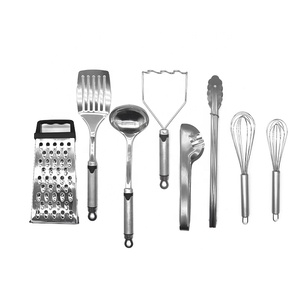
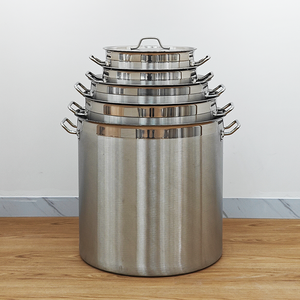
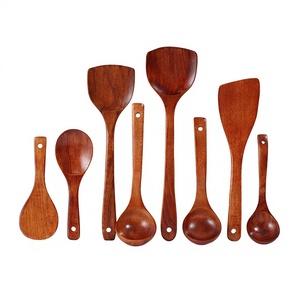
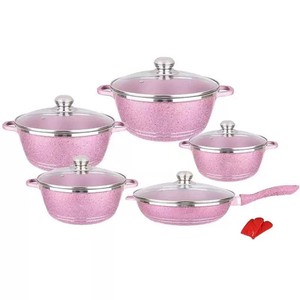
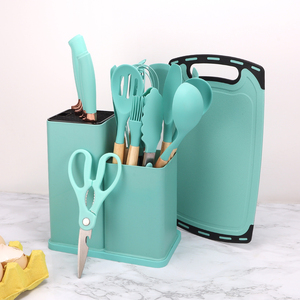
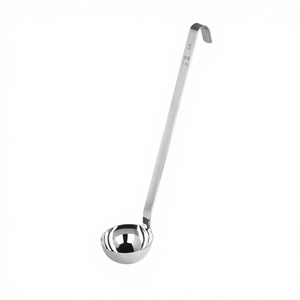
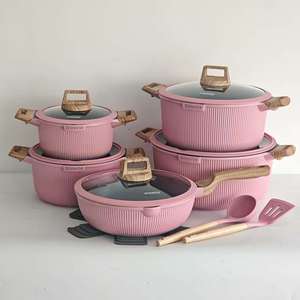
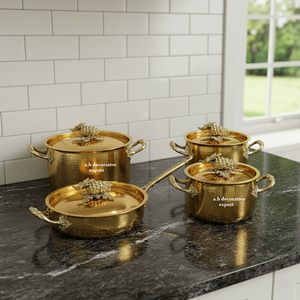
As the economic engine of Japan’s Chubu Region, Greater Nagoya demands exceptional precision, total hygienic compliance, and heavy-duty structural integrity across its diverse culinary and food manufacturing landscapes.
High-density hotel kitchens and fine dining establishments surrounding Nagoya Station (Meieki) and the Sakae district require polished, aesthetic presentation tools alongside rapid-wash seamless stock pots. Our Edelmann brand provides mirror-finished SUS304 ladles, chafing dishes, and heavy soup pans designed for endless high-temp automated commercial dishwasher cycles.
Feeding tens of thousands of industrial personnel across Toyota City, Kariya, and the Nagoya Port logistics belt necessitates high-capacity equipment. Our Daosheng 03/04/05 series soup pots feature encapsulated 3-ply thermal bases that reduce heat-up times by 22% on 200V high-output commercial induction hobs, significantly curbing energy spending.
Nagoya's iconic regional cuisine—such as Miso-Katsu, Hitsumabushi (eel), and rich Miso-Nik込み Udon—utilizes highly acidic and saline broth bases. Standard steel quickly pits or corrodes. PT Indonesia Utensil supplies elevated SUS316 molybdenum-alloy cookware engineered specifically to resist chloride pit corrosion and severe chemical scaling.
In accordance with Japan’s Food Sanitation Act (食品衛生法) and JIS G4305 standards for stainless steel plates and sheets, commercial procurement buyers in Nagoya prioritize rigorous structural metallurgy, ergonomic safety, and sustainability.
Modern HACCP guidelines enforced in Japanese commercial kitchens prohibit crevices where food debris can accumulate. Our industrial utensils feature single-piece hydraulic stamping or 100% continuous robotic welds, eliminating bacterial growth vectors completely.
Nagoya’s modern restaurants are rapidly decarbonizing, transitioning from open flame to high-wattage electromagnetic induction ranges. Our cookware features magnetic stainless steel bottom caps (AISI 430/444 grade) that optimize magnetic flux density for immediate, lossless energy transfer.
Japanese procurement managers evaluate kitchen tools based on multi-year lifecycle durability rather than upfront unit price. By utilizing heavy-gauge wall thicknesses (up to 1.2mm - 2.0mm), PT Indonesia Utensil products resist thermal warping and physical impact deformities under intense commercial abuse.
| Specification Grade | Alloy Composition | Corrosion Resistance | Induction Compatibility | Target Nagoya Application |
|---|---|---|---|---|
| SUS304 (18/8) Standard | 18% Cr / 8% Ni | High | Selective (Multi-Clad base) | Hotel Buffets, Preparation Utensils, Ladles |
| SUS316 Premium Grade | 18% Cr / 10% Ni / 2% Mo | Ultra High | Universal Base Integration | Miso Broth Vats, High-Salinity Ramen Vessels |
| Multi-Clad Tri-Ply Core | SUS304 + Aluminum + SUS430 | High | 100% Optimized (200V) | Central Kitchen High-Efficiency Cooking Pots |
| Die-Cast Aluminum Hard-Anodized | Al-Si-Cu Alloy Matrix | Medium-High | Ferrous Disc Encapsulated | Non-Stick Commercial Fryers & Skillets |
For over five decades, PT Indonesia Utensil has operated as an authority in commercial kitchenware and foodservice utensil manufacturing. Operating from our advanced industrial complex in Bandung, West Java, we supply over 50 international destinations with precision metal stamping, deep-drawing, and polishing services.
Our dual flagship brand architecture allows us to serve diverse market tiers: Tanica focuses on precise, ergonomic daily tools for modern lifestyle environments, while Edelmann delivers uncompromising, high-volume commercial tools engineered specifically for hoteliers, central kitchens, and institutional caterers.
Designed for sleek aesthetic appeal, everyday ergonomic comfort, and long-term home/commercial utility.
Heavy-gauge, high-durability tools tailored for extreme heat, heavy impact, and continuous commercial dishwashing.
Addressing trade compliance, logistics from Indonesia to the Port of Nagoya, custom OEM/ODM parameters, and material safety standards.
All kitchen utensils and cookware export batches bound for Japan undergo rigorous heavy-metal leaching tests (Lead, Cadmium, Nickel, and Chromium migration tests) conducted by accredited third-party laboratories (SGS / TUV). We provide complete material test certificates (MTC) proving full compliance with the Ministry of Health, Labour and Welfare (MHLW) guidelines for food contact stainless steel.
Direct ocean container shipments dispatch from Tanjung Priok Port (Jakarta) or Tanjung Emas to the Port of Nagoya. Transit times typically range between 12 to 16 days. For custom OEM runs, our standard manufacturing lead time is 30–45 days depending on tooling complexity and volume requirements.
Yes. We offer complete OEM and ODM services. We routinely customize handle lengths, apply fiber-laser logo engravings, design retail color-box packaging in Japanese, and modify tool ergonomics to align with Japanese kitchen operator workflow preferences.
Yes. Under the Regional Comprehensive Economic Partnership (RCEP) and the Indonesia-Japan Comprehensive Economic Partnership Agreement (IJEPA), eligible stainless steel kitchenware items benefit from preferential tariff rates or zero-duty treatments upon presenting an official Form AJ / Form IJEPA Certificate of Origin.
For catalog items within our Tanica and Edelmann stock lines, MOQs start at 500 units per item SKU. For fully customized private-label OEM tooling runs, MOQs typically range from 1,000 to 3,000 units depending on raw material specifications and press line setups.