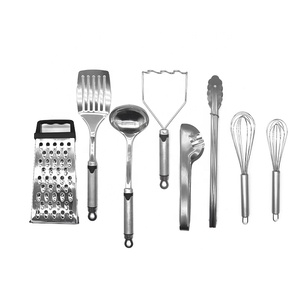

Rigorously tested for heavy-duty commercial catering, retail distribution, and private label branding across Mumbai, Nhava Sheva logistics channels, and international markets.
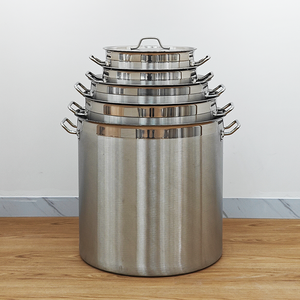
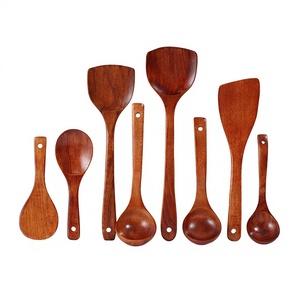
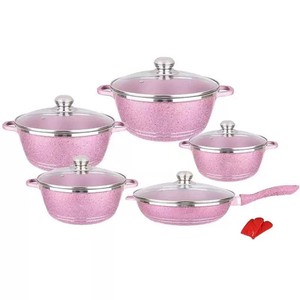
An engineering and supply chain analysis of stainless steel utensil procurement, OEM customization standards, and trade logistics in India's premier commercial gateway.
As the commercial capital of India and the primary maritime gateway of Western South Asia via the Jawaharlal Nehru Port Trust (JNPT / Nhava Sheva), Mumbai has transitioned into a hyper-dynamic hub for institutional kitchenware procurement. Driven by a booming hospitality sector (HORECA), rapid proliferation of cloud kitchens across the Mumbai Metropolitan Region (MMR), and exponential growth in D2C (Direct-to-Consumer) kitchenware brands, corporate buyers are demanding significantly higher standards of Information Gain, technical transparency, and metallurgical consistency from private label manufacturers.
Historically, local procurement relied on fragmented unorganized manufacturing clusters. However, modern procurement heads, hotel chain inventory directors, and private label brand founders in regions like Dadar, Crawford Market trade corridors, Bandra-Kurla Complex (BKC) hospitality zones, and Navi Mumbai commercial nodes require enterprise-grade reliability. The primary objective is securing heavy-gauge AISI 304 (18/8) and AISI 316 food-grade stainless steel utensils capable of withstanding intense high-heat Indian culinary practices while resisting atmospheric moisture corrosion typical of Mumbai’s coastal humid climate.
Direct proximity to Nhava Sheva (JNPT) enables seamless import-export workflows, reduced transit dwell times, and optimized container load factors for large bulk consignments arriving from primary manufacturing facilities in Southeast Asia into Mumbai distributors.
Private label sourcing requires strict adherence to Indian Standards (IS 14756 for Stainless Steel Cooking Utensils). Products undergo rigorous passivating layer verification, nickel content assay testing, and non-reactive surface treatments.
From fiber-laser logo engraving and ergonomic stay-cool handle riveting to custom silicone overmolding and PVD titanium physical vapor deposition coatings, OEM flexibility empowers local brands to command premium market positioning.
How specialized kitchenware engineered by global OEM specialists integrates into specific commercial and retail environments across Maharashtra.
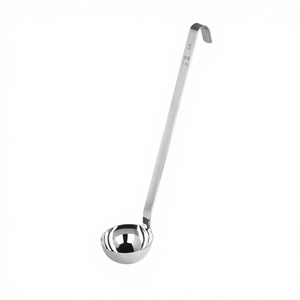
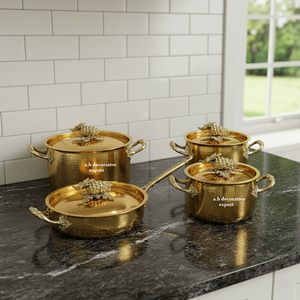
Luxury hotel properties in BKC, South Mumbai, and Near-Airport hospitality zones demand heavy-gauge, mirror-polished ladle sets, stock pots, and ornate serveware (such as hand-hammered gold decorative casseroles). Products must withstand automated high-temperature dishwashing cycles without tarnishing or structural warping.
With Mumbai serving as India’s cloud kitchen innovation lab, quick-service restaurant (QSR) chains require ultra-durable, deep-capacity soup pots, heavy-duty spatulas, and induction-compatible bases. Utensils must support continuous 16-hour cooking shifts under intense gas burners and induction cooktops.
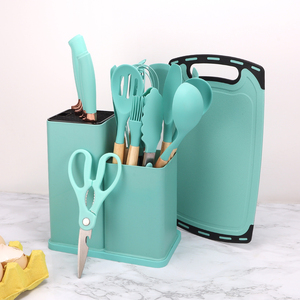
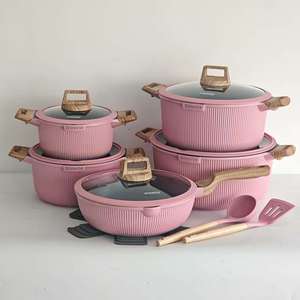
During festive procurement cycles (Diwali, Corporate Milestones, Weddings), Mumbai’s retail brand aggregators seek high-aesthetic cookware sets. Products like 19-piece silicone-wooden handle combinations and die-cast granite non-stick casserole sets offer the visual appeal and boxed presentation required for modern consumers.
Selecting the appropriate alloy grade for private label kitchenware targeted at coastal commercial environments.
| Stainless Steel Grade / Material | Chemical Composition Highlights | Corrosion Resistance (Coastal Mumbai Monsoons) | Thermal Conductivity & Performance | Recommended Application |
|---|---|---|---|---|
| AISI 304 (18/8 Premium Stainless) | 18% Chromium, 8% Nickel | Exceptional — Impervious to atmospheric rust and food acids. | Moderate (Optimal when paired with encapsulated aluminum base). | Commercial Stock Pots, Buffet Ladles, High-End Household Utensils. |
| AISI 316 (Medical/Marine Grade) | 16% Chromium, 10% Nickel, 2% Molybdenum | Superior — Resistant to heavy saline/chloride environments. | Stable heat retention under continuous commercial simmer. | Industrial Sauce Lines, Seafood Specialty Restaurants, Coastal Catering. |
| Die-Cast Aluminum with Granite Coating | ADC12 Aluminum Alloy Core + PTFE/Ceramic Topcoat | High — Non-metallic inert surface protection. | Outstanding — Rapid, uniform heat distribution; eliminates hot spots. | Low-Oil Healthy Cooking Cookware, Modern Household Frying Pans. |
| Food-Grade Silicone with Hardwood | BPA-Free Vulcanized Silicone + Treated Beechwood | N/A — Non-corroding, heat resistant up to 230°C. | Low thermal transfer (Anti-scalding safety handles). | Non-Stick Cookware Accessories, Delicate Bakery & Pastry Utensils. |
Strategic forces shaping product development, material preferences, and brand positioning through 2025 and beyond.
With commercial gas prices fluctuating and urban kitchens shifting toward energy-efficient induction cooking, there is a massive surge in demand for cookware featuring impact-bonded tri-ply bottoms (SS 304 + Aluminum Core + Magnetic SS 430). Private label importers in Mumbai are increasingly phasing out single-ply thin flat cookware in favor of encapsulated bases that prevent scorching during thick gravy preparation.
Mumbai’s luxury event caterers and high-end wedding banquets are driving strong interest in luxury decorative serveware. Physical Vapor Deposition (PVD) titanium gold coatings and hand-hammered finishes deliver opulent aesthetic values while remaining completely food-safe, scratch-resistant, and dishwasher-durable.
Modern Indian retail buyers favor ergonomic cookware sets that blend food-safe heat-resistant silicone, anti-scalding hardwood handles, and die-cast aluminum cores. This hybrid construction protects user hands during prolonged sautéing while ensuring non-stick convenience for domestic users.
Educated consumers in Mumbai urban centers are steering away from traditional non-stick surfaces containing PFOA or lead. OEM private label brands are adopting multi-layer eco-friendly granite mineral coatings that offer high abrasion resistance and non-toxic food contact properties.
Established in 1966 in Bandung, Indonesia (with global marketing hubs in Jakarta), PT Indonesia Utensil is a global powerhouse in precision stainless steel manufacturing. Powering world-renowned proprietary brands such as Tanica (everyday modern lifestyle tools) and Edelmann (professional catering & hotel equipment), the enterprise delivers uncompromised OEM capabilities to international brand partners across 50+ countries.
By bridging state-of-the-art European tooling machinery with strict Asian manufacturing cost efficiency, our facilities produce heavy-duty commercial kitchenware that satisfies the stringent quality guidelines expected by Mumbai's top institutional importers.
Addressing key operational, regulatory, and logistics queries for private label kitchenware import into India.
Standard MOQs for custom laser-etched stainless steel utensils start at 500 sets for standard production lines, while custom die-cast granite cookware or specialized color packaging runs typically require 1,000 to 2,000 units per Stock Keeping Unit (SKU).
Consignments are shipped FOB or CIF Nhava Sheva (JNPT). Typical ocean freight transit times from Indonesian manufacturing ports (such as Tanjung Priok) to Mumbai range between 10 to 14 days, providing rapid inventory turnaround for Indian importers.
Yes. All food-contact stainless steel items are crafted using certified food-grade AISI 304/316 alloys complying with Indian IS 14756 guidelines, ensuring zero heavy metal leaching and high resistance to acidic food preparations.
Absolutely. We offer complete OEM turnkey solutions including high-precision fiber laser branding on steel, custom handle stamping, specialized retail gift box printing, and barcoded inner/outer export cartons ready for Amazon India or offline retail shelves.
Our stainless steel utensils undergo chemical passivation treatments that reinforce the chromium-oxide protective layer. This prevents pitting corrosion and surface rusting even during long storage in humid coastal warehouses across Maharashtra.
Pre-production sample verification takes 7 to 10 days. Upon sample approval and deposit confirmation, mass production for standard FCL (Full Container Load) orders is completed within 30 to 40 calendar days.
Handles undergo heat-conductance thermal testing and mechanical torque stress tests to ensure rivets remain structural under heavy load leverage and temperatures exceeding 220°C in high-heat commercial kitchens.
Yes. We utilize advanced vacuum Physical Vapor Deposition (PVD) chambers for metal color finishing, as well as food-safe ceramic silicone exterior sprays, matching pantone codes for brand-specific collections.
Partner with a trusted manufacturer with over 55 years of global export excellence. Access full product catalogs, material certs, and OEM pricing structures today.