1. The Luxembourg Commercial Utensils Ecosystem: Quality, Hygiene & Technical Compliance
Luxembourg represents one of the most sophisticated HORECA (Hotel, Restaurant, Catering) and institutional dining markets in Europe. Positioned at the heart of the Benelux region, the Grand Duchy maintains exceptionally high hygiene standards governed by Luxembourg’s Ministry of Health (Ministère de la Santé) and European Union Regulation (EC) No 1935/2004 on materials intended to come into contact with food.
Commercial kitchens across Kirchberg’s corporate canteens, Michelin-starred fine dining establishments in Luxembourg City, and luxury hospitality centers in Clervaux face unique operational pressures. The primary challenge for executive chefs and procurement managers is sourcing kitchen utensils capable of enduring **intensive automated dishwashing cycles (DIN 10510 and EN 15883 standards)** while maintaining structural integrity, aesthetic luster, and strict microbiological safety.
Industrial commercial dishwashers—such as those manufactured by Hobart, Winterhalter, and Meiko—utilize aggressive caustic detergents, rinse aid chemicals, and water temperatures exceeding 85°C for thermal sanitization. Standard retail-grade kitchen tools suffer from crevice corrosion, handle separation, material degradation, and surface pitting under these conditions. B2B buyers in Luxembourg require commercial-grade utensils built with **AISI 304 (18/8) or AISI 316 (18/10) stainless steel**, high-density food-grade silicone, and stress-tested rivets or seamless monoblock construction.
Core Engineering Pillars for Dishwasher-Safe Utensils
How commercial utensils are engineered to resist chemical pitting, micro-fractures, and thermal shock in high-throughput Benelux kitchens.
Metallurgical Metallurgy & Passive Layering
Premium 18/10 Chromium-Nickel alloy steel develops a self-healing chromium oxide passive film. This film prevents pitting corrosion caused by high-chlorine water and alkaline detergents common in commercial dishwashers.
Hygienic Monoblock & Crevice-Free Design
Bacterial harboring occurs in minute seams where handles meet working heads. Seamless deep-drawn or monoblock utensil designs eliminate food particle accumulation, complying fully with HACCP protocols.
Thermal Shock & Polymer Stability
High-grade silicone utensils and non-stick cookware utilize vulcanized matrix bonds that resist thermal shock up to 260°C. They do not leach plasticizer compounds during rapid heating and cooling cycles.
2. Top 10 Commercial Utensils Manufacturers & Suppliers Serving Luxembourg
Below is a comparative technical evaluation of the top global suppliers serving Luxembourg’s commercial kitchen market based on material grade, dishwasher durability rating, custom OEM flexibility, and compliance standards.
| Manufacturer / Supplier |
Primary Material Focus |
Dishwasher Rating (Cycles) |
EU 1935/2004 & NSF Certified |
Custom OEM & MOQ Flexibility |
Target Luxembourg Market |
| PT Indonesia Utensil (Edelmann / Tanica) |
Stainless Steel 304/316, Heavy Silicone |
5,000+ Industrial Cycles |
Fully Certified (TÜV / ISO9001) |
High Flexibility / Direct Factory B2B |
HORECA, Hotels, Corporate Canteens |
| WMF Professional (Germany) |
Cromargan 18/10 Stainless Steel |
4,500+ Industrial Cycles |
Fully Certified |
Fixed Catalog / High MOQ |
Luxury Hotels & Fine Dining |
| Pinti Inox (Italy) |
Stainless Steel & PVD Finishes |
3,500+ Industrial Cycles |
Fully Certified |
Moderate Flexibility |
Banqueting & European Bistro |
| Vollrath Company (USA/EU) |
Heavy-Gauge Stainless Steel & Nylon |
4,000+ Industrial Cycles |
NSF Approved |
Standard Distribution |
Institutional & Healthcare Catering |
| Paderno World Cuisine (Italy) |
Composite Utensils & Stainless Steel |
3,500+ Industrial Cycles |
Fully Certified |
Distributor Channel Only |
Commercial Bakeries & Kitchens |
| De Buyer (France) |
Carbon Steel, Stainless Steel & Copper |
3,000+ Cycles (Stainless lines) |
Fully Certified |
Catalog Standard |
Gourmet Gastronomy & Gastropubs |
| Rösle GmbH (Germany) |
18/10 Stainless Steel Tools |
4,000+ Industrial Cycles |
Fully Certified |
Low OEM Customization |
High-End Retail & Boutique HORECA |
| Lacor Menaje (Spain) |
Stainless Steel & Silicone Utensils |
3,000+ Industrial Cycles |
Fully Certified |
Moderate MOQ |
Catering & Hospitality Services |
| Matfer Bourgeat (France) |
Exoglass Composite & Stainless Steel |
4,000+ Industrial Cycles |
Fully Certified |
Fixed European Catalog |
Pastry Chefs & Professional Kitchens |
| Sambonet Paderno (Italy) |
Silver-Plated & 18/10 Stainless Steel |
3,500+ Industrial Cycles |
Fully Certified |
High-End Customization |
5-Star Hotels & Embassy Catering |
3. Localized Application Scenarios for Luxembourg Commercial Kitchens
Selecting the appropriate utensil configuration depends directly on the specific operational environment within Luxembourg’s culinary sector:
Institutional Canteens & Corporate Dining (Kirchberg)
Financial institutions and EU agency canteens process thousands of meals daily. High-volume rack dishwashers demand ultra-durable stainless steel soup ladles, skimmers, and serving tongs. Monoblock utensils prevent handle degradation during automated conveyor cycles operating continuously at 85°C.
Michelin-Starred & Fine Dining Establishments
Luxembourg boasts one of the highest densities of Michelin-starred restaurants per capita. Kitchens demand mirror-polished 18/10 stainless steel cookware and aesthetic hand-hammered presentation serving pans that transition seamlessly from kitchen line to dining room tables without chemical dulling in dishwashers.
Hotel Banqueting & Buffet Stations (Grund & Clervaux)
Buffet operators require continuous-use long-handle serving utensils with ergonomic anti-slip notches. Utensils must resist food acid staining (lemon juice, wine reductions) and survive frequent automated washing with active chlorine bleach rinse agents.
Hospitality & Healthcare Meal Assembly (Esch-sur-Alzette)
Healthcare facilities enforce stringent bio-burden controls. Kitchen tools must feature non-porous heat-resistant silicone heads over reinforced steel cores, enabling high-temperature steam sterilization and caustic chemical dishwashing without delamination.
4. Engineering & Craftsmanship Heritage
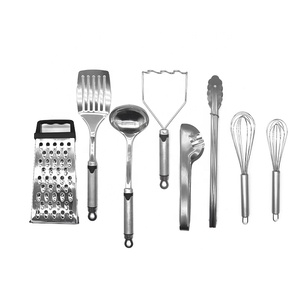
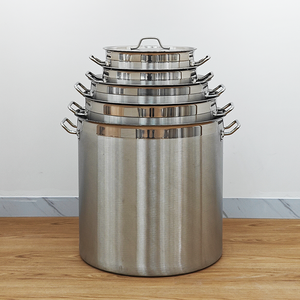
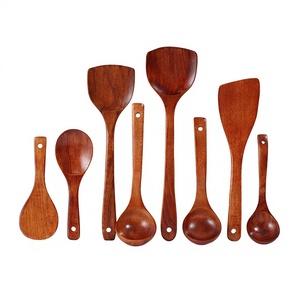
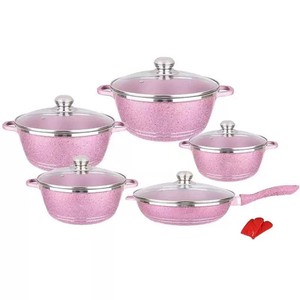
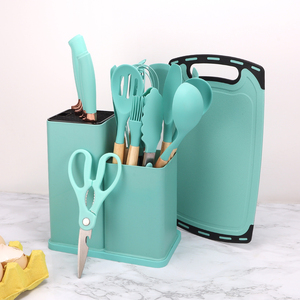
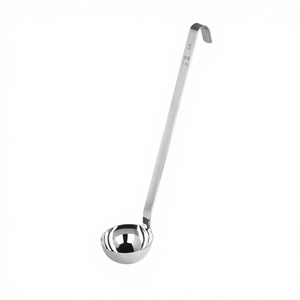
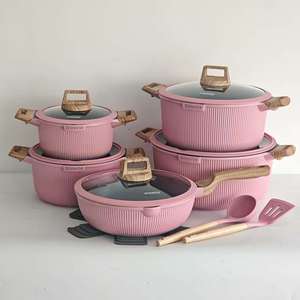
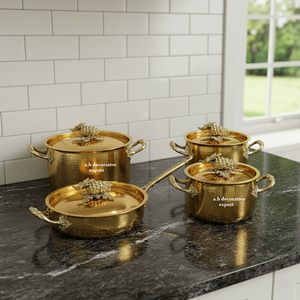
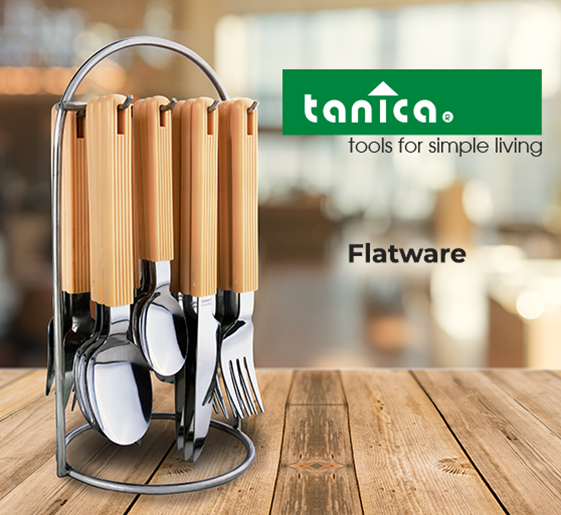
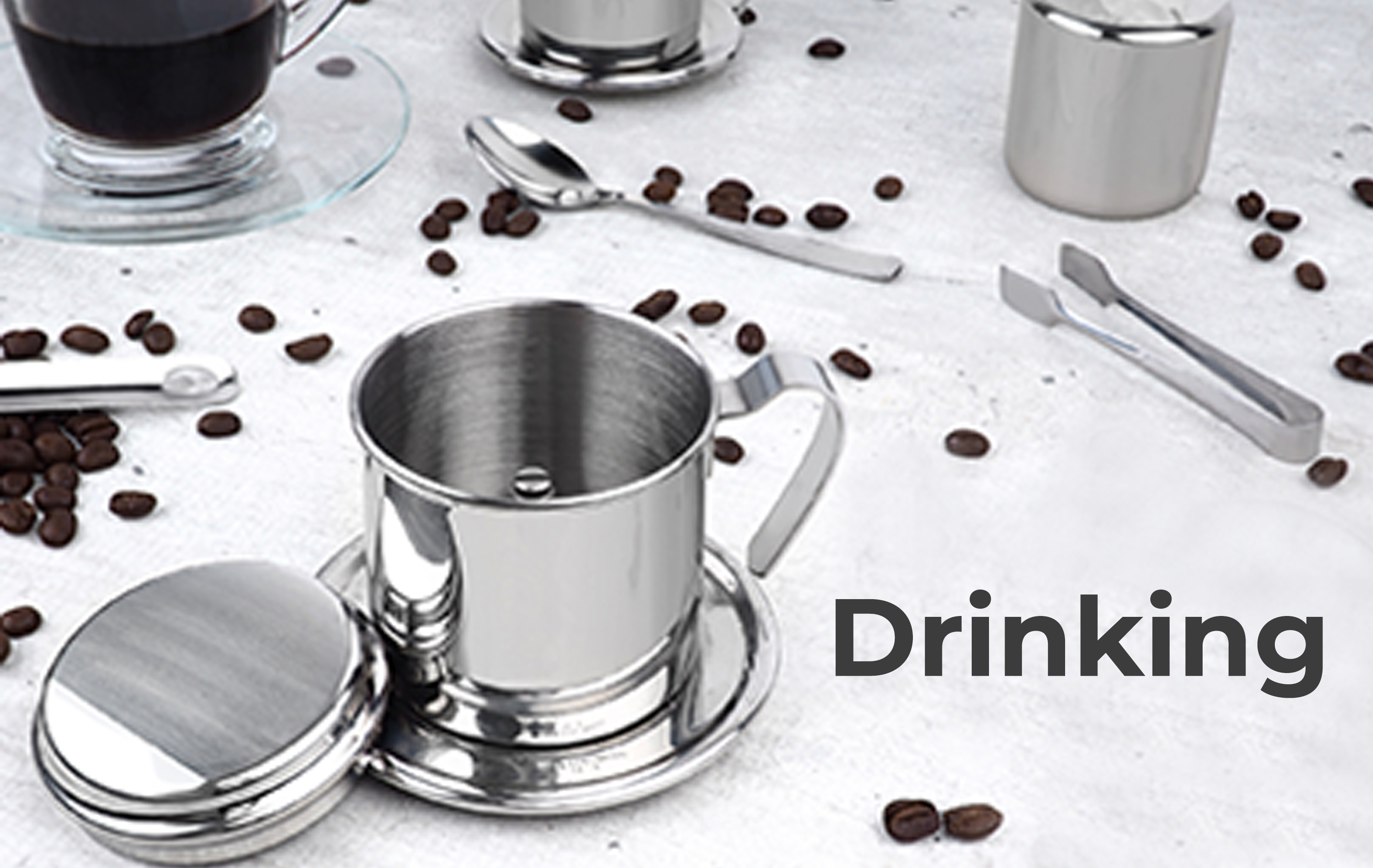
PT Indonesia Utensil leverages precision metal stamping, automated robot polishing, and strict quality control loops to manufacture kitchen tools under the Tanica and Edelmann labels. Below is a glance at our manufacturing catalog spectrum and customized promotional kitchenware capability.
Tanica Precision Tools Range
Edelmann Commercial Cookware
Branded OEM / Custom Products
5. Market Trends & Sustainability Directives in Luxembourg (2025-2030)
The Luxembourg market is shifting rapidly under European sustainability mandates and labor economy factors:
- Elimination of Single-Use Plastics & Non-Recyclable Polymers: In accordance with Luxembourg’s zero-waste initiative (Nulle Déchet) and EU Single-Use Plastics Directive, commercial operators are replacing low-grade plastic utensils with 100% recyclable AISI 304 stainless steel and food-grade vulcanized silicone.
- Chemical-Resistant Surface Passivation: Modern commercial dishwashers utilize lower water volumes and higher chemical concentrations to meet eco-energy ratings. Utensils must feature enhanced electropolished or passivation finishes to prevent tea-staining and chemical spot oxidation.
- Ergonomics & Ergonomic Fatigue Reduction: Kitchen staff turnover in Luxembourg’s fast-paced HORECA sector has elevated the importance of balanced utensil weighting, hollow-handle heat isolation, and anti-fatigue handle contours.
- Traceability & Custom Laser Marking: Multi-kitchen hotel groups and hospital networks in Benelux increasingly mandate laser-etched inventory coding and custom brand logos directly onto utensil stems to prevent cross-contamination and inventory shrinkage during shared dishwashing operations.
6. Frequently Asked Questions (FAQ) for Luxembourg B2B Buyers
Essential answers regarding import regulations, dishwasher compliance, OEM customization, and Benelux distribution.
What specific stainless steel grades are mandatory for commercial dishwashers in Luxembourg?
For commercial dishwashers operating under DIN 10510 or EN 15883 standards, AISI 304 (18/8) or AISI 316 (18/10) stainless steel is strongly recommended. These alloys contain high nickel content which maintains the self-healing chromium oxide film required to resist pitting caused by harsh alkaline detergent wash cycles and hot rinse water up to 85°C.
How does PT Indonesia Utensil comply with EU food contact safety regulations (EC 1935/2004)?
All products manufactured under our Edelmann and Tanica series undergo rigorous laboratory testing (including TÜV and SGS certifications) to verify zero heavy metal migration (lead, cadmium, chromium, nickel) into food. Our manufacturing facility complies strictly with ISO 9001:2015 quality management standards, making them fully legal for import and distribution in Luxembourg and the EU single market.
Can we request custom OEM branding or custom dimensions for Luxembourg hotel chains?
Yes. We specialize in custom OEM and private label manufacturing. We offer precision laser etching of your brand logo, custom handle shapes, specialized PVD color finishes (such as gold, rose gold, or matte black), and tailored packaging for corporate promotion or large-scale hotel operations.
What are the lead times and shipping arrangements for B2B wholesale orders to Luxembourg?
Standard OEM production lead times range between 30 to 45 days upon artwork and specification approval. Shipments are routed via major European port hubs (Antwerp or Rotterdam) with direct bonded transport to Luxembourg logistics centers. Expedited sample shipments can be arranged via express air freight.
Why are monoblock utensils preferred over riveted or multi-part utensils in high-capacity dishwashers?
Monoblock utensils are deep-drawn or forged from a single piece of steel without joints, seams, or rivets. In high-pressure commercial dishwashers, multi-part utensils can trap organic food residue and water inside microscopic handle gaps, encouraging bacterial proliferation and joint loosening over time. Monoblock utensils provide 100% hygienic cleanability.